


Is it normal to feel pain under a cast? That's a question I get asked a lot, especially since I'm in the business of supplying casts and bandages. I've seen firsthand how these medical devices can both help and sometimes cause a bit of trouble for patients. So, let's dive into this topic and figure out what's normal and what might be a cause for concern.
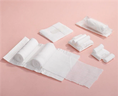
First off, a little bit about me. I'm part of a Cast and Bandage supplier team. We deal with all sorts of products, from Wet Wrap Therapy Dressing to Thermic Biretta and Pre-cut Two Way Stretch Tubular Bandage. Our goal is to provide high - quality products that aid in the healing process.
When a person breaks a bone or has a serious soft - tissue injury, a cast is often put in place. It's supposed to immobilize the affected area, allowing the body to heal. But it's not all smooth sailing. It's actually quite common to feel some level of pain under a cast.
In the first few days after getting a cast, it's normal to experience some discomfort. The body is adjusting to the new restrictions, and there's usually still some swelling from the initial injury. The cast is tight, and it's pressing against the skin and the injured area. This can lead to a dull, achy pain. You might also feel a bit of itching. That's because the skin under the cast can't breathe properly, and the sweat and dead skin cells build up, irritating the skin.


But how do you tell if the pain is normal or something more serious? Well, if the pain is a mild, throbbing ache that gets a bit better with elevation and over - the - counter painkillers, it's likely normal. Elevating the injured limb helps reduce swelling by allowing gravity to pull the fluid away from the area. For example, if you have a cast on your arm, prop it up on a pillow while sitting or lying down.
On the other hand, if the pain is severe, sharp, or gets worse over time, that's a red flag. Severe pain could be a sign of a few things. One possibility is that the cast is too tight. When a cast is too tight, it can cut off circulation to the area. This can cause the fingers or toes (if the cast is on an arm or leg) to turn blue or purple, feel cold to the touch, and tingle or go numb. If you notice any of these symptoms, you need to get the cast checked out right away.
Another reason for severe pain could be a pressure sore. Pressure sores develop when the cast presses too hard on one area of the skin for an extended period. This can cause the skin to break down, leading to an open wound. You might feel a sharp pain at the site of the pressure sore, and if you look closely (if there's a gap in the cast or you can peek through the edges), you might see redness, blisters, or even an open sore.
In some cases, the pain could be due to a complication with the injury itself. Maybe the bone didn't set correctly under the cast, or there's an infection starting. An infected wound under a cast can cause a lot of pain, along with other symptoms like fever, swelling, and a foul smell coming from the cast.
So, what can you do if you're feeling pain under a cast? First, follow your doctor's instructions. They'll usually tell you to keep the cast dry, elevate the limb, and take painkillers as needed. If the itching is driving you crazy, don't stick anything under the cast to scratch. That can cause more harm, like breaking the skin and increasing the risk of infection. Instead, you can try gently tapping on the outside of the cast or using a hair dryer on the cool setting to blow air under the edges.
If the pain is severe or you're worried about any of the symptoms I mentioned earlier, contact your doctor immediately. They may need to adjust the cast, take it off and re - evaluate the injury, or prescribe stronger pain medication.
As a Cast and Bandage supplier, we understand that the right product can make a big difference in the patient's experience. That's why we offer a wide range of products designed to be comfortable and effective. Our Wet Wrap Therapy Dressing is great for treating skin conditions and can be used in combination with a cast in some cases. The Thermic Biretta provides extra warmth, which can be soothing for some patients. And the Pre-cut Two Way Stretch Tubular Bandage is flexible and can be used to support the area around the cast.
If you're a medical professional or in charge of purchasing medical supplies, we'd love to talk to you. We can offer competitive prices, reliable delivery, and excellent customer service. Whether you need a small order for a clinic or a large order for a hospital, we're here to meet your needs. Contact us to discuss your requirements and start a partnership that will benefit your patients and your practice.
In conclusion, feeling some pain under a cast is normal, especially in the early days. But it's important to be aware of the signs that the pain might be a sign of a more serious problem. By understanding what's normal and what's not, patients can take the right steps to ensure a smooth healing process. And as a Cast and Bandage supplier, we're committed to providing the best products to support that healing.
References
- Mayo Clinic. "Casts and splints: Care instructions."
- American Academy of Orthopaedic Surgeons. "Fracture Care at Home."