



Yo, what's up everyone! As a supplier of plasters, I've always been super curious about the history of these little life - savers. So, let's take a deep dive into the long - standing story of plasters.
Ancient Beginnings
Back in the ancient times, people didn't have the fancy plasters we have today, but they still found ways to deal with wounds. The Egyptians were pretty smart cookies. Around 3500 BC, they used honey and lint to cover wounds. Honey has antibacterial properties, so it helped prevent infections. They'd wrap the honey - soaked lint around the cut, which was a basic form of wound dressing.
The Greeks, too, were on to something. Hippocrates, the famous Greek physician, recommended using pitch and resin to treat wounds. Pitch is a sticky substance, and resin can be kind of like glue. They'd spread these on a piece of cloth and apply it to the injury. It was a way to keep the wound clean and also hold the edges together a bit.
Middle Ages and Renaissance
During the Middle Ages, things got a bit more complicated. Monks in monasteries were often the ones taking care of the sick and wounded. They used all sorts of natural ingredients like herbs, moss, and even spider webs. Spider webs might sound gross, but they actually have some properties that can help with clotting.
As we moved into the Renaissance, there was more of an emphasis on scientific research in medicine. Paracelsus, a well - known alchemist and physician, experimented with different substances for wound treatment. He believed in using chemicals in a more controlled way. Some of the plasters during this time were made with substances like mercury and lead. We know now that these are pretty toxic, but back then, they thought it was a good idea to use these to fight off infections.
19th Century: The Birth of Modern Plasters
The 19th century was a game - changer for plasters. In 1845, Dr. Horace Day came up with a rubber - based adhesive plaster. This was a huge step forward. The rubber made the plaster stick better to the skin, and it was more flexible. Before this, plasters were often just cloth soaked in some kind of sticky substance, and they didn't stay on very well.
Then came the big one in 1882. Earle Dickson, an employee at Johnson & Johnson, created the first Band - Aid. His wife, Josephine, was always cutting herself while cooking. Dickson got the idea to put a piece of gauze in the middle of a strip of adhesive tape. It was simple but revolutionary. At first, the Band - Aid was mainly used in hospitals, but soon it became a household item.


20th Century and Beyond
In the 20th century, plasters got even better. There were improvements in the materials used. For example, they started using non - allergenic adhesives, so people with sensitive skin could use them without any problems.
There was also a focus on different types of plasters for different needs. Waterproof plasters were developed, which were great for when you wanted to take a shower or go swimming with a wound. And then there were plasters with added features like antiseptics. These helped to keep the wound clean and prevent infections even better.
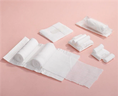
Now, in the 21st century, we have a wide variety of plasters. We've got Porous Capsicum Plaster, which is designed with a porous structure and might be used for certain types of pain relief. There's also the Disposable Wound Closure Device, which is a more advanced way to close small wounds. And the Aperture Zinc Oxide Plaster is great for providing support and protection to the wound area.
Why Our Plasters Are the Best
As a plaster supplier, I'm super proud of the products we offer. We've learned from the long history of plasters and combined the best of old - school wisdom with modern technology. Our plasters are made with high - quality materials. The adhesives are strong enough to stay on but gentle on the skin.
We've also got a wide range of products to suit different needs. Whether it's a small cut on your finger or a more serious wound, we've got something for you. And if you're looking for something special like a plaster with pain - relieving properties or one that's waterproof, we can provide that too.
Let's Do Business!
If you're in the market for plasters, whether you're a retailer, a hospital, or just someone looking to stock up for your home, we'd love to talk to you. We can offer competitive prices, great customer service, and high - quality products. So, don't hesitate to reach out and start a conversation about your plaster needs. We're here to make sure you get the best plasters for your situation.
References
- "A History of Medicine" by Fielding H. Garrison
- "The Story of Band - Aid" by Johnson & Johnson Archives
- Ancient medical texts from Egypt and Greece