


Calf pain is a common ailment that can affect people of all ages and activity levels. Whether it's due to a strenuous workout, an injury, or an underlying medical condition, the discomfort can be both annoying and debilitating. As a supplier of high - quality plasters, I often get asked if there are plasters specifically designed to alleviate calf pain. In this blog, we'll explore this question in detail.
Understanding Calf Pain
Before we discuss whether plasters can help with calf pain, it's important to understand the possible causes of this discomfort. Calf pain can stem from a variety of sources, including:
- Muscle Strain: This is one of the most common causes of calf pain. It occurs when the muscles in the calf are overstretched or torn, often due to sudden, intense physical activity such as running, jumping, or lifting heavy objects.
- Tendonitis: Tendonitis is the inflammation of a tendon, which connects muscle to bone. In the calf, Achilles tendonitis is particularly common, causing pain at the back of the lower leg, near the heel.
- Cramps: Calf cramps are involuntary contractions of the calf muscles. They can be caused by dehydration, electrolyte imbalances, overuse of the muscles, or certain medications.
- Deep Vein Thrombosis (DVT): Although less common, DVT is a serious condition where a blood clot forms in a deep vein, usually in the leg. It can cause pain, swelling, and warmth in the affected area.
Can Plasters Help with Calf Pain?
The answer is yes, plasters can play a role in managing calf pain, depending on the cause. Here's how different types of plasters can be beneficial:
Supportive Plasters
Supportive plasters are designed to provide physical support to the muscles and joints. They can help stabilize the calf muscles, reducing the strain on them during movement. For example, if you have a mild muscle strain in your calf, a supportive plaster can limit the range of motion of the affected area, allowing the muscle to heal more effectively. These plasters are often made of elastic materials that conform to the shape of the calf, providing gentle compression and support.
Pain - Relieving Plasters
Some plasters are infused with pain - relieving substances such as menthol, camphor, or herbal extracts. When applied to the skin, these substances can create a cooling or warming sensation that helps to numb the pain. Menthol, for instance, has a natural analgesic effect and can provide temporary relief from muscle aches and cramps. Pain - relieving plasters can be a convenient and non - invasive way to manage calf pain, especially for minor discomforts.
Anti - Inflammatory Plasters
In cases where calf pain is caused by inflammation, such as tendonitis, anti - inflammatory plasters can be helpful. These plasters contain ingredients like non - steroidal anti - inflammatory drugs (NSAIDs) or natural anti - inflammatory agents. They work by reducing inflammation in the affected area, which in turn helps to relieve pain and swelling.

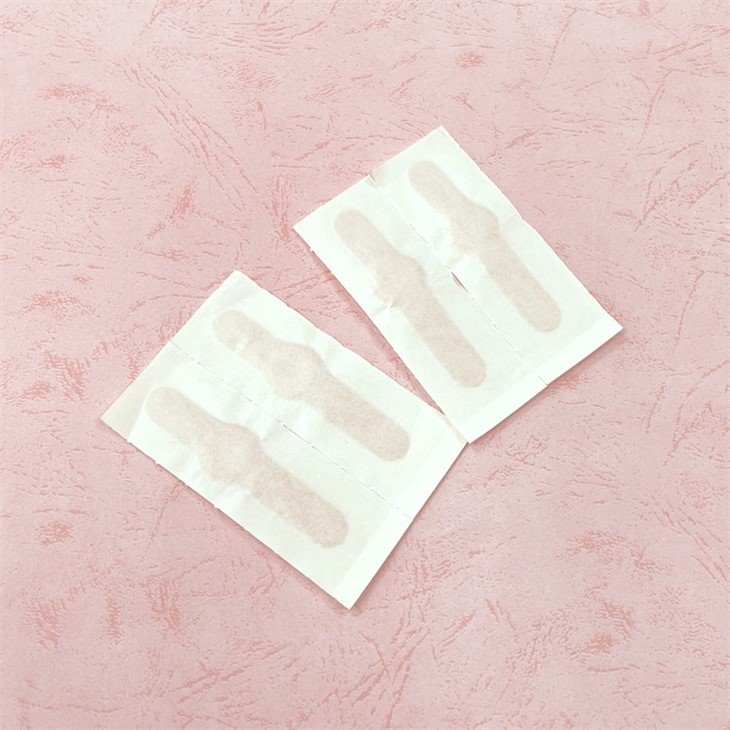
Our Range of Plasters for Calf Pain
As a leading plasters supplier, we offer a diverse range of products that can be used to address calf pain.
- Bamboo Fiber Wound Plaster: While it is primarily designed for wound care, its breathable and soft bamboo fiber material can also be used in combination with other treatments for calf pain. If you have a small cut or abrasion on your calf along with pain, this plaster can protect the wound while allowing the skin to breathe.
- Wart Plaster With Foam Pad: Although its main purpose is to treat warts, the foam pad can provide a cushioning effect. If you have a bruise or a tender area on your calf, the foam pad can help to reduce pressure and discomfort.
- Blister Plaster Hydrocolloid: Hydrocolloid plasters are excellent for protecting and treating blisters. If you have developed a blister on your calf due to friction or pressure, this plaster can create a moist environment that promotes healing and reduces pain.
How to Use Plasters for Calf Pain
Using plasters for calf pain is relatively straightforward, but it's important to follow the correct steps:
- Clean the Area: Before applying the plaster, make sure the calf area is clean and dry. Use mild soap and water to wash the area, then pat it dry with a clean towel.
- Choose the Right Plaster: Select the plaster that is most suitable for your type of calf pain. If you're unsure, consult a healthcare professional.
- Apply the Plaster: Carefully remove the plaster from its packaging and apply it to the affected area. Make sure it adheres firmly to the skin, but avoid stretching it too tightly as this can cause discomfort.
- Monitor the Skin: Check the skin under the plaster regularly for any signs of irritation, such as redness, itching, or swelling. If you experience any adverse reactions, remove the plaster immediately and consult a doctor.
When to Seek Medical Advice
While plasters can be effective in managing mild to moderate calf pain, there are situations where you should seek medical advice:
- Severe Pain: If your calf pain is severe, persistent, or accompanied by other symptoms such as fever, chills, or difficulty walking, it could be a sign of a more serious condition.
- Swelling and Redness: Excessive swelling, redness, or warmth in the calf could indicate an infection or DVT.
- No Improvement: If your calf pain does not improve after using plasters for a few days, or if it gets worse, it's important to see a healthcare professional for a proper diagnosis and treatment.
Conclusion
In conclusion, there are indeed plasters that can help with calf pain. Whether it's supportive, pain - relieving, or anti - inflammatory plasters, they can provide a practical and effective solution for managing discomfort. Our range of high - quality plasters, including the Bamboo Fiber Wound Plaster, Wart Plaster With Foam Pad, and Blister Plaster Hydrocolloid, are designed to meet different needs.
If you're interested in purchasing our plasters for calf pain or other applications, we invite you to contact us for procurement discussions. We are committed to providing the best products and services to our customers.
References
- American Academy of Orthopaedic Surgeons. (2023). Calf Strain. Retrieved from [Website of AAOS]
- Mayo Clinic. (2023). Tendonitis. Retrieved from [Website of Mayo Clinic]
- National Health Service (NHS). (2023). Deep Vein Thrombosis (DVT). Retrieved from [Website of NHS]