


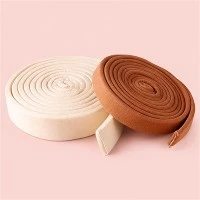
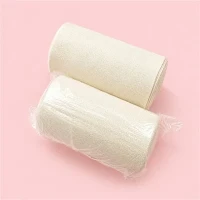
When it comes to plasters, one of the most common concerns among consumers is whether there are options suitable for sensitive skin. As a supplier of a wide range of plasters, I understand the importance of addressing this issue. In this blog, we'll explore the world of plasters for sensitive skin, discuss the key factors to consider, and introduce some of our top - selling products that are gentle on delicate skin.
Understanding Sensitive Skin
Sensitive skin is a common condition that affects many people. It is characterized by a heightened reactivity to various stimuli, such as chemicals, fragrances, and adhesives. People with sensitive skin may experience symptoms like redness, itching, burning, or swelling when exposed to certain substances. When it comes to plasters, the adhesive used to attach the plaster to the skin can be a major source of irritation.
The adhesive in traditional plasters is often made from synthetic materials that can cause allergic reactions in some individuals. Additionally, the backing material of the plaster may also contribute to skin irritation. For example, plasters with a thick, non - breathable backing can trap moisture against the skin, leading to discomfort and potential skin problems.
Key Factors for Plasters on Sensitive Skin
- Adhesive Type: Hypoallergenic adhesives are the best choice for sensitive skin. These adhesives are formulated to minimize the risk of allergic reactions. They are often made from natural or mild synthetic materials that are less likely to cause irritation.
- Breathability: A breathable backing material is essential for sensitive skin. Breathable plasters allow air to circulate around the wound, preventing moisture buildup and reducing the risk of skin irritation. Materials like cotton or bamboo fiber are good options as they are natural and porous.
- Absorbency: For wounds that produce exudate, a plaster with good absorbency is necessary. This helps to keep the wound clean and dry, promoting faster healing and reducing the likelihood of skin irritation.
- Fragrance - Free: Fragrances can be a major trigger for sensitive skin. Plasters that are fragrance - free are less likely to cause allergic reactions and are a better choice for those with sensitive skin.
Our Sensitive - Skin - Friendly Plasters
Blister Plaster Hydrocolloid
Our Blister Plaster Hydrocolloid is an excellent option for sensitive skin. The hydrocolloid material used in this plaster is gentle on the skin and has several benefits. It forms a moist environment over the blister, which promotes natural healing. The adhesive used is hypoallergenic, reducing the risk of skin irritation. Additionally, the plaster is breathable, allowing air to reach the skin and preventing the buildup of moisture.
Honey Comb Blister Plaster
The Honey Comb Blister Plaster is another great choice. The unique honey - comb design provides excellent breathability, ensuring that the skin can breathe while the blister heals. The plaster is also made with a mild adhesive that is suitable for sensitive skin. It is absorbent, which helps to keep the blister dry and clean, reducing the chances of infection and irritation.
Hydrocolloid Pimple Acne Patch
For those with sensitive skin and acne problems, our Hydrocolloid Pimple Acne Patch is a must - try. The hydrocolloid material helps to absorb the pus from the pimple, promoting faster healing. The patch is designed to be gentle on the skin, with a hypoallergenic adhesive. It is also transparent, allowing you to monitor the progress of the pimple without having to remove the patch.
Bamboo Fiber Wound Plaster
The Bamboo Fiber Wound Plaster is a natural and eco - friendly option for sensitive skin. Bamboo fiber is known for its antibacterial and breathable properties. The plaster has a soft and comfortable feel on the skin, and the adhesive used is gentle. It is suitable for various types of wounds, from minor cuts to abrasions.
Disposable Nose Plasters
Our Disposable Nose Plasters are designed with sensitive skin in mind. The plasters are made from a soft and flexible material that conforms to the shape of the nose. The adhesive is mild and does not cause irritation, even with prolonged use. They are ideal for people who need to support their nasal passages without experiencing skin discomfort.

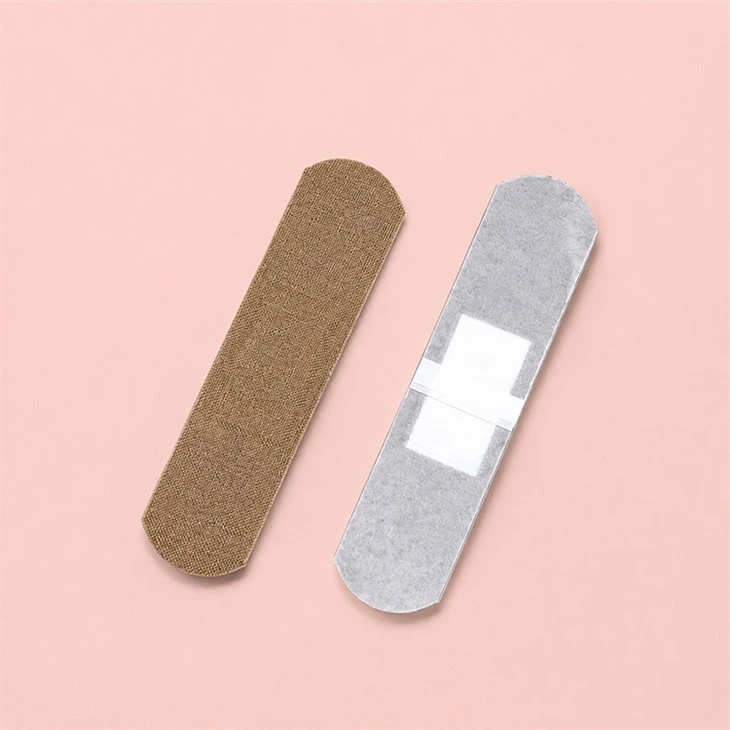
How to Choose the Right Plaster for Sensitive Skin
- Read the Label: Always check the label of the plaster for information about the adhesive, backing material, and any additives. Look for terms like "hypoallergenic," "fragrance - free," and "breathable."
- Test on a Small Area: Before using a new plaster on a large area of the skin, test it on a small, inconspicuous area first. This will allow you to see if your skin has any adverse reactions to the plaster.
- Consider the Wound Type: Different types of wounds may require different types of plasters. For example, blisters may need a plaster that can create a moist environment, while cuts may need a plaster with good absorbency.
The Importance of Quality Control
As a plaster supplier, we understand the importance of quality control. We ensure that all our products are manufactured to the highest standards. Our plasters are tested for safety and efficacy, and we use only the best materials in their production. This helps to ensure that our plasters are not only effective in treating wounds but also gentle on sensitive skin.
Conclusion
In conclusion, there are indeed plasters available for sensitive skin. By choosing plasters with hypoallergenic adhesives, breathable backing materials, and other skin - friendly features, you can find a product that meets your needs without causing irritation. Our range of plasters, including the Blister Plaster Hydrocolloid, Honey Comb Blister Plaster, Hydrocolloid Pimple Acne Patch, Bamboo Fiber Wound Plaster, and Disposable Nose Plasters, are designed to be gentle on sensitive skin while providing effective wound care.
If you are interested in purchasing our plasters for your business or personal use, we welcome you to contact us for a procurement discussion. We are committed to providing high - quality products and excellent customer service.
References
- "Dermatology: A Comprehensive Textbook" by Thomas B. Fitzpatrick
- "Skin Care and Cosmetics: Principles and Practice" by Zoe Diana Draelos