



Can first aid bandages be used on thigh wounds?
As a supplier of First Aid Bandages, I often encounter questions from customers regarding the appropriate use of our products. One common query is whether first - aid bandages can be used on thigh wounds. In this blog, I'll explore this topic in detail, considering the nature of thigh wounds, the types of first - aid bandages available, and the scientific basis for their application.
Understanding Thigh Wounds
The thigh is a large and muscular part of the body. Wounds on the thigh can vary significantly in terms of their severity, cause, and depth. Minor cuts and abrasions may occur due to everyday activities such as accidental scrapes against sharp objects or falls. These types of wounds usually involve only the outer layers of the skin and may present with mild bleeding, redness, and pain.
On the other hand, more severe thigh wounds can result from deep lacerations, puncture wounds, or crush injuries. These can penetrate the subcutaneous tissue, muscles, and even damage blood vessels, nerves, or bones. Severe wounds often lead to profuse bleeding, and immediate and appropriate treatment is crucial to prevent blood loss, infection, and long - term complications.
Types of First Aid Bandages and Their Suitability for Thigh Wounds
1. Adhesive Bandages
Adhesive bandages, also known as band - aids, are commonly found in first - aid kits. They consist of a small, flexible pad attached to an adhesive strip. These bandages are designed to cover minor cuts, abrasions, and blisters.
For minor thigh wounds such as small scrapes or shallow cuts, adhesive bandages can be an effective option. They protect the wound from dirt and bacteria, while also providing a small amount of pressure to help stop bleeding. However, adhesive bandages have their limitations. Due to their relatively small size, they may not be suitable for larger or deeper thigh wounds. If the wound is too large, the bandage may not cover it completely, leaving it exposed to the environment and increasing the risk of infection.
2. Gauze Bandages
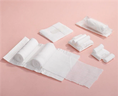
Gauze bandages are made of a woven or non - woven fabric and come in various sizes and thicknesses. They are highly absorbent and can be used to cover wounds of different sizes.
For thigh wounds, gauze bandages are very useful. They can be wrapped around the thigh to provide a large - area covering for both minor and more extensive wounds. When dealing with a bleeding wound, the absorbent nature of the gauze helps to soak up the blood, while the pressure applied through proper wrapping can aid in stopping the bleeding. Additionally, gauze bandages can be easily adjusted and changed depending on the condition of the wound.
3. Compression Bandages
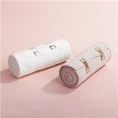
Compression bandages are elastic in nature and are designed to apply pressure to a wound or injured area. They are particularly beneficial for thigh wounds, especially those with significant swelling or bleeding.
When a compression bandage is wrapped around the thigh, it exerts pressure on the blood vessels, helping to reduce blood flow to the wound site and thus controlling bleeding. Compression also helps to limit swelling by preventing fluid from accumulating in the tissues. However, it's important to apply compression bandages correctly. Too much pressure can cut off blood circulation, leading to further damage, while too little pressure may not be effective in controlling bleeding or swelling.


4. Specialized Bandages
There are also specialized first - aid bandages on the market, such as the Blood Stopper Bandage and the Military Emergency Bandage.
The Blood Stopper Bandage is designed with special materials that can quickly coagulate blood. This makes it an excellent choice for severe thigh wounds with heavy bleeding. The Military Emergency Bandage is often equipped with a hemostatic agent and a pressure applicator. These features are crucial in emergency situations where immediate control of bleeding from a thigh wound is essential to save a life.
Scientific Considerations for Using First Aid Bandages on Thigh Wounds
When using first - aid bandages on thigh wounds, several scientific factors need to be considered.
1. Hemostasis
The primary goal when treating a bleeding thigh wound is to achieve hemostasis, or the stopping of bleeding. Bandages play a key role in this process. As mentioned earlier, compression bandages and specialized blood - stopping bandages can apply pressure and promote blood clotting. The body's natural clotting mechanism is activated when blood is exposed to the damaged tissues. Bandages can enhance this process by providing a physical barrier and pressure to keep the clot in place.
2. Infection Prevention
The thigh is a large and mobile part of the body, which means that wounds on the thigh are more likely to come into contact with dirt, bacteria, and other contaminants. First - aid bandages act as a barrier between the wound and the external environment. They prevent bacteria from entering the wound, reducing the risk of infection. Additionally, some bandages are impregnated with antibacterial agents, further enhancing their ability to prevent infection.
3. Wound Healing
Properly applied first - aid bandages can also promote wound healing. They create a moist environment around the wound, which is conducive to cell migration, proliferation, and tissue repair. Bandages also protect the wound from mechanical stress, such as friction from clothing or movement, which can disrupt the healing process.
Conclusion and Call to Action
In conclusion, first - aid bandages can indeed be used on thigh wounds, and the choice of bandage depends on the nature and severity of the wound. For minor injuries, adhesive bandages may suffice, while more severe wounds require larger, more specialized bandages like Gauze Bandages, compression bandages, or specialized blood - stopper bandages.
As a supplier of high - quality First Aid Bandages, we are committed to providing products that meet the highest standards of safety and effectiveness. Whether you are a healthcare provider, a sports team, or an individual looking to stock up on first - aid supplies, our range of bandages can meet your needs. If you are interested in learning more about our products or would like to discuss a potential purchase, please feel free to reach out to us. We are more than happy to assist you with any questions you may have and to work with you to find the best first - aid solutions for your situation.
References
- American Red Cross. First Aid Manual.
- Mayfield Clinic. Wound Care Basics.
- National Institutes of Health. Wound Healing: An Overview.