


Eczema is a common skin condition that affects millions of people worldwide. It is characterized by red, itchy, and inflamed skin that can be both uncomfortable and unsightly. As a supplier of Ideal Bandages, I often receive inquiries about whether our products can be used on eczema. In this blog post, I will explore the use of Ideal Bandages for eczema, discussing the benefits, considerations, and best practices.
Understanding Eczema
Before delving into the use of Ideal Bandages for eczema, it's important to understand the nature of this skin condition. Eczema, also known as atopic dermatitis, is a chronic inflammatory skin disorder. It typically results from a combination of genetic and environmental factors, causing the skin's barrier function to become compromised. This leads to increased water loss and an entry point for irritants and allergens, exacerbating the inflammation and itchy sensation.
Common symptoms of eczema include:


- Redness and inflammation
- Dry, scaly, or cracked skin
- Itching, which can be intense and disrupt sleep
- Blisters that may ooze or crust over
Benefits of Using Bandages on Eczema
Ideal Bandages can offer several benefits when used in the management of eczema:
Protection
One of the primary benefits of using bandages on eczema is protection. The skin affected by eczema is often sensitive and prone to further irritation from friction, scratching, and environmental factors. Bandages act as a physical barrier, shielding the skin from these external elements. For example, if you have eczema on your hands, wearing a bandage can prevent contact with harsh soaps, detergents, and other irritants during daily activities.
Moisture Retention
Proper skin hydration is crucial for managing eczema. Bandages can help to lock in moisture, preventing the skin from drying out. This is particularly important because dry skin can exacerbate the symptoms of eczema, leading to increased itching and inflammation. By keeping the skin moist, bandages create an optimal environment for the skin to heal and reduce the risk of flare - ups.
Reducing Scratching
Scratching is a common problem in eczema patients, as the intense itching can be difficult to resist. However, scratching can break the skin, leading to infection and further damage. Bandages can act as a deterrent to scratching, as they make it more difficult to reach the affected area. This can help to break the itch - scratch cycle and promote faster healing of the skin.
Types of Ideal Bandages Suitable for Eczema
As a supplier, I offer a range of Ideal Bandages that can be used for eczema. Here are some of the options:
Gauze Roller Bandage WOW
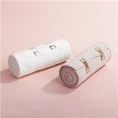
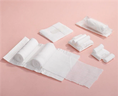
The Gauze Roller Bandage WOW is a versatile option for eczema. It is made of a soft, breathable material that allows the skin to breathe while providing a gentle barrier. The gauze is absorbent, which can be useful if the eczema is oozing. It can be easily wrapped around different parts of the body, such as the arms, legs, or torso, and is available in various widths to suit different needs.
Cambric Bandage
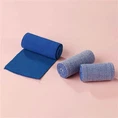
The Cambric Bandage is another suitable choice. It is a lightweight, flexible bandage that conforms well to the body's contours. Cambric bandages are often used for mild to moderate eczema cases. They are gentle on the skin and can be securely wrapped, providing a stable protective layer.
Cotton Crepe Bandage
The Cotton Crepe Bandage is known for its elasticity and breathability. This type of bandage is ideal for areas of the body that require movement, such as joints. It can be wrapped snugly without restricting movement, which is important for patients with eczema who need to maintain an active lifestyle. The cotton material is also hypoallergenic, reducing the risk of allergic reactions.
Considerations When Using Bandages on Eczema
While Ideal Bandages can be beneficial for eczema, there are some considerations to keep in mind:
Skin Sensitivity
Some patients with eczema may be particularly sensitive to certain materials used in bandages. Before using a new bandage, it's important to test it on a small area of skin to check for any allergic reactions or irritation. If the skin becomes red, itchy, or swollen after the test, do not use the bandage.
Hygiene
Proper hygiene is essential when using bandages on eczema. The bandages should be changed regularly to prevent the buildup of bacteria and other microorganisms. This is especially important if the eczema is oozing or if the bandage becomes wet or dirty.
Tightness
Bandages should not be wrapped too tightly, as this can restrict blood flow and cause additional skin irritation. A properly wrapped bandage should be snug but not constricting. If you experience numbness, tingling, or increased pain under the bandage, it may be too tight and should be adjusted.
Best Practices for Using Ideal Bandages on Eczema
To get the most out of using Ideal Bandages for eczema, here are some best practices:
Clean the Skin
Before applying a bandage, gently clean the affected area with a mild, fragrance - free cleanser. Pat the skin dry with a soft towel to avoid further irritation.
Apply Moisturizer
After cleaning the skin, apply a thick, emollient moisturizer. This helps to hydrate the skin and create a smooth surface for the bandage to adhere to. Wait a few minutes for the moisturizer to absorb before applying the bandage.
Wrap the Bandage Correctly
When wrapping the bandage, start at the distal end of the limb or the outer edge of the affected area and work your way up or inward. Overlap the bandage by about half of its width as you go. Make sure the bandage is smooth and free of wrinkles to prevent pressure points on the skin.
Monitor the Skin
Regularly check the skin under the bandage for any signs of irritation, infection, or worsening of the eczema. If you notice any changes, remove the bandage and consult a healthcare professional.
Conclusion
In conclusion, Ideal Bandages can be a valuable addition to the management of eczema. They offer protection, moisture retention, and help to reduce scratching, all of which are important for promoting skin healing and reducing the symptoms of eczema. With a variety of types available, such as the Gauze Roller Bandage WOW, Cambric Bandage, and Cotton Crepe Bandage, there is likely an Ideal Bandage to suit your specific needs.
However, it's important to use bandages correctly and be aware of any potential skin sensitivities or hygiene issues. If you have any questions or concerns about using Ideal Bandages for eczema, feel free to reach out. We are here to provide you with the best products and advice for your eczema management needs. Whether you are a healthcare provider, a patient, or a distributor, we welcome you to contact us for more information and to discuss your procurement requirements.
References
- Williams HC, Burney PG, Hay RJ. The epidemiology of atopic dermatitis in the community. Clin Exp Dermatol. 1999;24(6):454 - 461.
- Leung DY, Bieber T. Atopic dermatitis. Lancet. 2003;361(9352):151 - 160.
- Hanifin JM, Rajka G. Diagnostic features of atopic dermatitis. Acta Derm Venereol Suppl. 1980;92:44 - 47.