



Can Ideal Bandages be used on large wounds?
As a supplier of Ideal Bandages, I often encounter inquiries from customers regarding the suitability of our products for large wounds. This is a crucial question that requires a comprehensive understanding of both the nature of large wounds and the capabilities of Ideal Bandages. In this blog post, I will delve into this topic, exploring the factors to consider and providing insights based on scientific knowledge and practical experience.
Understanding Large Wounds
Large wounds present unique challenges compared to smaller ones. They typically involve a significant loss of tissue, which can lead to increased bleeding, a higher risk of infection, and a longer healing time. The size and depth of the wound, as well as the location on the body, can all influence the appropriate treatment approach.
Large wounds can be classified into different types, such as abrasions, lacerations, punctures, and burns. Each type has its own characteristics and requires specific care. For example, abrasions are superficial wounds that involve the scraping off of the top layer of skin, while lacerations are deeper cuts that may require stitches. Punctures are caused by a sharp object penetrating the skin, and burns can range from mild to severe, depending on the degree of damage to the skin and underlying tissues.
The Role of Bandages in Wound Healing
Bandages play a crucial role in the wound healing process. They help to protect the wound from external contaminants, reduce bleeding, and provide a moist environment that promotes cell growth and tissue repair. In addition, bandages can help to immobilize the affected area, which can reduce pain and prevent further injury.
There are many different types of bandages available on the market, each with its own unique properties and uses. Some bandages are designed for specific types of wounds, while others are more versatile and can be used on a variety of wounds. When choosing a bandage for a large wound, it is important to consider the size and depth of the wound, the amount of exudate (fluid) it is producing, and the patient's individual needs and preferences.
Ideal Bandages: Features and Benefits
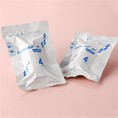
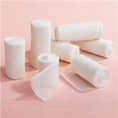
Ideal Bandages are a range of high-quality bandages that are designed to meet the needs of patients with a variety of wounds, including large wounds. Our bandages are made from high-quality materials that are gentle on the skin and provide excellent protection and support.
One of the key features of Ideal Bandages is their absorbency. Our bandages are designed to absorb excess exudate from the wound, which helps to keep the wound clean and dry and prevent the growth of bacteria. In addition, our bandages are breathable, which allows air to circulate around the wound and promotes healing.
Another important feature of Ideal Bandages is their flexibility. Our bandages are designed to conform to the shape of the body, which allows them to be used on a variety of body parts and provides a comfortable and secure fit. This is particularly important for large wounds, which may require a bandage that can be wrapped around the affected area without causing discomfort or restricting movement.
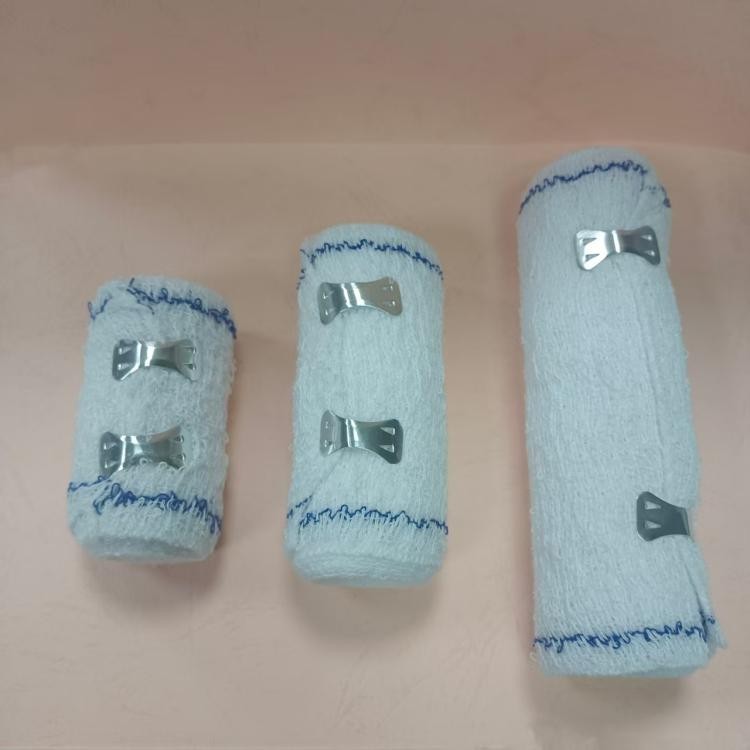
Ideal Bandages also come in a variety of sizes and shapes, which makes them suitable for use on a variety of wounds, including large wounds. Whether you need a small bandage for a minor cut or a large bandage for a more serious wound, we have a product that will meet your needs.

Using Ideal Bandages on Large Wounds
When using Ideal Bandages on large wounds, it is important to follow the proper application techniques to ensure that the bandage provides optimal protection and support. Here are some general guidelines to follow:
- Clean the wound: Before applying a bandage, it is important to clean the wound thoroughly to remove any dirt, debris, or bacteria. Use a mild soap and water or a saline solution to clean the wound, and pat it dry with a clean towel.
- Choose the right bandage: Select a bandage that is appropriate for the size and type of the wound. For large wounds, you may need to use a larger bandage or multiple bandages to cover the entire area.
- Apply the bandage: Carefully apply the bandage to the wound, making sure that it covers the entire area and is snug but not too tight. If the bandage is too tight, it can restrict blood flow and cause discomfort or damage to the skin.
- Secure the bandage: Use tape or a bandage clip to secure the bandage in place. Make sure that the bandage is secure but not too tight, as this can also restrict blood flow.
- Change the bandage regularly: It is important to change the bandage regularly to keep the wound clean and prevent the growth of bacteria. The frequency of bandage changes will depend on the size and type of the wound, as well as the amount of exudate it is producing.
Considerations and Precautions
While Ideal Bandages are generally safe and effective for use on large wounds, there are some considerations and precautions to keep in mind. Here are some important points to consider:
- Allergic reactions: Some people may be allergic to the materials used in bandages. If you experience any signs of an allergic reaction, such as itching, redness, or swelling, stop using the bandage immediately and consult a healthcare professional.
- Infection: Large wounds are at a higher risk of infection than smaller wounds. If you notice any signs of infection, such as increased pain, redness, swelling, or discharge, contact a healthcare professional immediately.
- Proper sizing: It is important to choose a bandage that is the right size for the wound. If the bandage is too small, it may not provide adequate protection, while if it is too large, it may be difficult to apply and may not stay in place.
- Moisture management: Large wounds may produce a significant amount of exudate, which can make the bandage wet and uncomfortable. It is important to change the bandage regularly to keep the wound dry and prevent the growth of bacteria.
- Patient comfort: When using a bandage on a large wound, it is important to consider the patient's comfort. Make sure that the bandage is not too tight or too loose, and that it does not cause any discomfort or irritation.
Conclusion
In conclusion, Ideal Bandages can be used on large wounds, but it is important to choose the right bandage and follow the proper application techniques to ensure optimal protection and support. Our bandages are designed to meet the needs of patients with a variety of wounds, including large wounds, and provide excellent absorbency, flexibility, and breathability.
If you have any questions or concerns about using Ideal Bandages on large wounds, please do not hesitate to contact us. We are a trusted supplier of high-quality bandages, and we are committed to providing our customers with the best possible products and services. Whether you are a healthcare professional or an individual looking for a reliable bandage for a large wound, we can help you find the right solution.
We offer a wide range of Ideal Bandages, including the Blue Lines Crepe Bandage, Body Wrap Bandage, and Elastic Conforming Bandage. These products are designed to provide excellent protection and support for large wounds, and they are available in a variety of sizes and shapes to meet your specific needs.
If you are interested in purchasing Ideal Bandages for your large wounds, please contact us to discuss your requirements. We would be happy to provide you with more information about our products and services, and to help you find the right solution for your needs.
References
- National Institute of Diabetes and Digestive and Kidney Diseases. (2023). Wound Healing: The Basics. Retrieved from https://www.niddk.nih.gov/health-information/urologic-diseases/wound-healing-basics
- World Health Organization. (2021). Guidelines on Hand Hygiene in Health Care: First Global Patient Safety Challenge Clean Care is Safer Care. Retrieved from https://www.who.int/publications/i/item/9789241597906
- American Academy of Dermatology. (2023). How to Care for a Wound. Retrieved from https://www.aad.org/public/everyday-care/injured-skin/how-to-care-for-a-wound