




So, let's chat about something that comes up all the time in ortho circles, especially for us under cast padding suppliers: can under cast padding even be used for pelvic casts? I get this question at least 3 times a week from ortho techs, clinic managers, even some older docs who've been doing this way before we had modern padding. Let's break this down like we're grabbing coffee after a long clinic shift-no stuffy jargon, just real, on-the-ground stuff that actually works.
First, let's get one thing straight: the pelvis is a weird, messy area. It's not a straight forearm or a lower leg that you can wrap tight and consistent. It's curved, has all these bony prominences (like the iliac crests, the pubic rami, the sacrum) that are easy to rub raw if you don't have the right padding.
That's where under cast padding comes in-its whole job is to cushion those spots, prevent pressure sores, and make the cast fit securely without digging in. But pelvic casts are different. Wait, what kind of pelvic casts are we even talking about here? Mostly things like spica casts for kids with hip dysplasia or femur fractures, or immobilization casts for pelvic fractures that need to stay stable for months. Oh, and sometimes temporary casts while waiting for surgery.
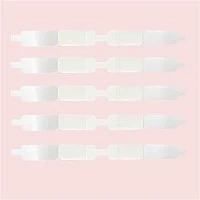
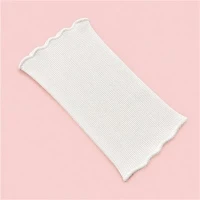
Let me start with a common myth: some people think all under cast padding is the same, so you can grab whatever's in the supply closet for a pelvic cast. Nope. The pelvic area has way more movement and pressure points than, say, an arm. Let's talk about why under cast padding works for most casts but needs some tweaks for the pelvis. For a regular arm cast, you use self-adhesive cast padding, right? That sticks a little to itself so you don't have to tape it every 2 inches, and it conforms nicely. Wait, hold on-our Self Adhesive Cast Padding Bandage is perfect for most body parts, but the pelvis? You need more bulk in high-risk areas. Like, the sacrum is a big, flat bone at the bottom of your spine, and if you just layer regular padding there, it'll compress over time when the patient sits or lays down. That leads to pressure necrosis-we've all seen that, it's gross and totally avoidable.
Wait, let's back up. What's the purpose of under cast padding overall? Three main things: 1) cushion bony prominences, 2) create a smooth surface between skin and hard cast material (like Plaster Of Paris Slab or Plaster of Paris Bandage), and 3) absorb any sweat or drainage so the skin doesn't get macerated. For the pelvis, those three goals are amplified because the area is weight-bearing in a way arms never are. When someone's in a spica cast, they're sitting, rolling, maybe even trying to crawl (hello, toddlers!), so padding has to hold up to constant movement and pressure.
Can you use under cast padding for pelvic casts? The short answer is YES-if you use the right kind, the right amount, and place it strategically. But here's where a lot of folks mess up: they use too thin padding, or skip the sterile parts when there's open wounds (which is common with pelvic fractures). Oh right, Sterile Pack Orthopedic Padding is a game-changer here. If a patient has a laceration or open fracture near the pelvis, you don't want to drag non-sterile padding over that-you risk infection, which is a huge deal. So for dirty or open pelvic areas, always go for sterile padding first.
Now, let's talk about the common mistakes. I had a tech come to me last month panicking because a 7-year-old's spica cast she put on had a raw spot on their iliac crest. Turns out, she used a single layer of regular padding, and when the kid rolled over, the cast shifted and dug in. The fix? Add extra padding over that bony prominence, not just around it. Wait, so you don't wrap the padding evenly all the way down the pelvis-you build up the high spots. That's a key tip most people don't learn in basic cast tech training.
What about when you combine padding with other materials? For pelvic casts, you usually use some hard cast material-either Plaster Of Paris Bandage or maybe fiberglass, but plaster is still common for spica casts because it's more moldable for irregular shapes. Wait, and sometimes docs use things like the Unna Boot Bandage? No, wait, Unna Boot is for lower leg ulcers mostly, right? But if you're doing a pelvic cast, you don't need that unless there's a companion lower leg injury. Back to padding: the key is that the padding shouldn't be so thick that the plaster doesn't adhere properly, but thick enough to cushion. So for the pelvis, I recommend a base layer of self-adhesive padding, then add extra layers over sacrum, iliac crests, and pubic symphysis-but only in those spots, not the entire circumference. If you pad the whole pelvis thick, the cast will be too bulky, and it'll slide or not hold the fracture in place.
Wait, another thing: moisture. The pelvic area sweats more than most places, especially in warm climates. Regular padding can get soggy, which breaks down its cushioning ability. Our self-adhesive padding is moisture-wicking, which is a big upgrade from old cotton padding. Soggy padding equals pressure sores, so that's why choosing a good, breathable under cast padding is non-negotiable for pelvic casts. I've had clinic after clinic switch to our products specifically because they were dealing with so many call-backs for cast-related skin issues on pelvic spica casts.
But hold on-there's a time when you might want to adjust how much under cast padding you use, or even skip it in very specific cases? Wait, no-wait, let's be real: even if you're using a hard cast material that's supposed to be "skin-friendly," the pelvis is too dynamic. The only time I can think of that someone might use less padding is if it's a temporary cast for a very small, non-weight-bearing pelvic adjustment, but even then, you still need at least a thin layer to prevent friction. Wait, maybe I should clarify that. For example, if a patient has a pelvic avulsion that's only slightly displaced, and the doctor is using a short cast to hold it in place temporarily, you can use a thinner padding, but still not zero.
Let's talk about a real-world example. Last year, a pediatric ortho clinic in Ohio hit me up because they had a 5-year-old with a femoral shaft fracture that needed a spica cast. Their old padding was causing 2 out of 3 kids to have pressure sores within the first week. We sent them samples of our Self Adhesive Cast Padding Bandage and Sterile Pack Orthopedic Padding, plus trained their techs on the strategic padding method (build up high points, thin base layer). They called me a month later saying they haven't had a single call-back since-saved them time, saved the kids from pain, and even cut down on cast adjustment costs. That's the stuff that matters, right?
Wait, also: what about when you're using Plaster Of Paris Slab for reinforcement on pelvic casts? Slabs are usually applied over the main plaster bandage for extra support in areas that get a lot of stress, like the thigh or lower back. The padding under the slab still needs to be the right thickness so the slab doesn't dig into the skin. If the padding's too thin, the slab's hard edges will press into the patient, and if it's too thick, the slab won't stick. So same rule applies: strategic padding, even under the reinforcement slabs.
Now, let's address the big question again: is under cast padding suitable for pelvic casts? The answer is a resounding YES-if you use the right type and apply it correctly. A lot of the confusion comes from people using one-size-fits-all padding for every body part, but the pelvis is a unique anatomy that needs specialized padding application. I can't stress enough how important it is to not just grab any padding off the shelf and wrap it around the pelvis. Take the time to build up those bony prominences, use sterile padding if there's any open tissue, and make sure the padding's breathable to handle sweat.
Wait, I should also mention that some people think using more padding = better, but that's not true. Too much padding can lead to a loose cast, which doesn't immobilize the fracture properly. That's a big deal for pelvic fractures-if the cast is loose, the fracture can shift, leading to longer healing times or even surgery. So it's a balance: enough padding to cushion, not so much that the cast is unstable.
Let's wrap this up. If you're an ortho tech, clinic manager, or even a doctor reading this, don't write off under cast padding for pelvic casts. It's not only usable-it's essential for preventing avoidable skin complications and ensuring the cast works as intended. Just make sure you're using the right padding: Sterile Pack Orthopedic Padding for open wounds, Self Adhesive Cast Padding for a smooth, secure base, and remember to add extra layers to those high-pressure spots (sacrum, iliac crests) instead of over-padding the entire area.


If you're tired of dealing with cast-related skin issues on pelvic cases, or if you're looking for reliable orthopedic bandages and padding that work for all body parts (including tricky pelves), we've got you covered. Our team can answer any questions, send samples, or help you figure out the right products for your clinic's needs. Reach out to connect for a no-pressure chat about how we can make your cast care smoother and more effective.
REFERENCES
- American Academy of Orthopaedic Surgeons. (2021). Orthopedic Casting and Splinting Guidelines for Adults and Children.
- Wound Healing Society. (2020). Prevention and Management of Pressure Injuries Associated With External Orthopedic Devices.
- Journal of Orthopaedic Nursing. (2019). Padding Strategies for Spica Casts in Pediatric Patients: A Quality Improvement Study.
- Orthopaedic Trauma Association. (2022). Pelvic Immobilization Techniques for Fractures: Best Practice Recommendations.
- Bandage Association of North America. (2023). Performance Standards for Orthopedic Cast Padding and Related Materials.