


Hey there, fitness enthusiasts! As an orthopedic bandage supplier, I've gotten a ton of questions about whether these bandages can really help with post - workout soreness. So, let's dive right in and explore this topic.
First off, what is post - workout soreness? It's that ache you feel in your muscles after a tough workout, usually peaking around 24 to 72 hours later. This is known as delayed onset muscle soreness (DOMS). DOMS happens when you do new or strenuous exercises that your muscles aren't used to. The tiny tears in the muscle fibers cause inflammation, which leads to that uncomfortable soreness.
Now, let's talk about how orthopedic bandages might come into play. There are different types of orthopedic bandages, and each has its own unique features and potential benefits for post - workout soreness.

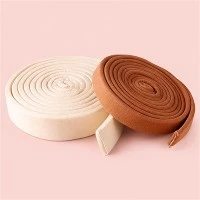
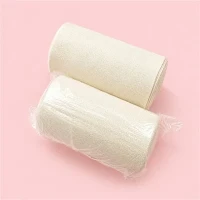
One type is the Self Adhesive Cast Padding Bandage. This bandage is great because it's self - adhesive, which means it can be easily wrapped around the sore area without the need for additional fasteners. The padding provides a soft layer between the skin and the bandage, which can help reduce friction and irritation. When you wrap it around a sore muscle, it can provide gentle compression. Compression is key here. It helps to increase blood flow to the area, which can speed up the recovery process. The increased blood flow brings in more oxygen and nutrients to the damaged muscle fibers, helping them repair faster.

Another popular option is the Fibreglass Cast Bandage. While it's more commonly associated with immobilizing broken bones, it can also be used in a modified way for post - workout soreness. Fiberglass bandages are strong and rigid, but if used in a looser wrap, they can still provide support to the sore muscles. The support helps to take some of the stress off the muscles, allowing them to rest and recover. It can also limit the range of motion slightly, which can prevent further damage to the already sore muscles.

Then there's the Skin Traction Kit. This kit is designed to apply a gentle pulling force to the muscles and joints. When used after a workout, it can help to stretch out the muscles and relieve tension. The traction can also help to realign the muscles and joints, which can reduce pain and soreness. It's like giving your muscles a little helping hand to get back into their proper position.
But do these bandages actually work? Well, there's some scientific evidence to support their use. A study published in the Journal of Sports Science and Medicine found that compression bandages can significantly reduce DOMS. The compression helps to reduce swelling and inflammation in the muscles, which in turn reduces pain. Another study in the British Journal of Sports Medicine showed that proper support from orthopedic bandages can improve muscle recovery time.
However, it's important to note that orthopedic bandages aren't a magic solution. They work best when used in combination with other recovery methods. For example, you should still make sure to get enough rest, stay hydrated, and eat a balanced diet. Stretching before and after your workout is also crucial. These bandages are just one piece of the puzzle.
If you're thinking about using orthopedic bandages for post - workout soreness, here are a few tips. First, make sure you choose the right type of bandage for your needs. If you have a minor soreness, a self - adhesive cast padding bandage might be enough. But if you have a more severe soreness or a specific muscle injury, you might need a fiberglass cast bandage or a skin traction kit. Second, make sure you apply the bandage correctly. Follow the instructions carefully to ensure you're getting the right amount of compression or support.
In conclusion, orthopedic bandages can definitely help with post - workout soreness. They provide compression, support, and traction, which can all contribute to faster muscle recovery. But remember, they're not a substitute for a proper recovery routine.
If you're interested in purchasing orthopedic bandages for post - workout soreness or any other orthopedic needs, feel free to reach out. We're here to help you find the right products for your situation.
References
- Journal of Sports Science and Medicine
- British Journal of Sports Medicine