


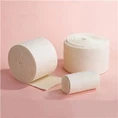

Hey there! As a supplier of Gel Tube Bandages, I've been getting a lot of questions lately about how these nifty bandages stack up against the traditional ones. So, I thought I'd take a deep dive into the topic and share my thoughts.

Let's start with the basics. Traditional bandages have been around for ages. You know, those rolls of gauze or adhesive strips that you can find in just about every first - aid kit. They've been the go - to for minor cuts, scrapes, and wounds for generations. They're simple, affordable, and easy to use. You just wrap 'em around the affected area, and you're good to go.
On the other hand, Gel Tube Bandages are a relatively new player in the game. They're made of a special gel material that's designed to conform to the shape of the body part it's covering. This makes them super flexible and comfortable to wear.
One of the biggest advantages of Gel Tube Bandages is their fit. Unlike traditional bandages, which can sometimes come loose or shift around, Gel Tube Bandages stay in place. They're like a second skin, hugging the wound tightly without being too restrictive. This is especially important for areas that are constantly in motion, like fingers. Check out our Finger Tubular Bandage for a perfect example of how well these bandages can fit.
Another plus for Gel Tube Bandages is their ability to provide a moist environment for the wound. The gel material helps to keep the wound hydrated, which can speed up the healing process. Traditional bandages, on the other hand, can sometimes dry out the wound, leading to slower healing and more discomfort.
When it comes to protection, Gel Tube Bandages also have an edge. The gel acts as a barrier against dirt, bacteria, and other contaminants. This reduces the risk of infection and helps to keep the wound clean. Traditional bandages can also offer some protection, but they may not be as effective, especially if they get wet or dirty.
Comfort is a huge factor when it comes to bandages. Let's face it, no one wants to wear a bandage that's itchy, uncomfortable, or restricts movement. Gel Tube Bandages are incredibly soft and flexible, so they won't irritate the skin. They're also breathable, which means your skin can still breathe while the bandage is on. Traditional bandages can sometimes be rough on the skin, especially if they're left on for a long time.
Now, let's talk about application. Traditional bandages usually require some skill to apply correctly. You have to make sure the bandage is wrapped tightly enough to stay in place, but not so tight that it cuts off circulation. Gel Tube Bandages, on the other hand, are much easier to apply. You simply slip them over the affected area, and they conform to the shape automatically. This makes them a great option for people who aren't very good at wrapping bandages or for those who need to apply a bandage quickly.
Cost is always a consideration when it comes to medical supplies. Traditional bandages are generally cheaper, especially if you buy them in bulk. However, Gel Tube Bandages offer a lot of value for the money. Their superior fit, comfort, and healing properties can make them worth the extra cost. Plus, they can reduce the need for frequent bandage changes, which can save you money in the long run.
Gel Tube Bandages also have a longer shelf life compared to traditional bandages. The gel material is more stable and less likely to degrade over time. This means you can stock up on them without having to worry about them going bad.
In terms of versatility, Gel Tube Bandages can be used for a wide range of injuries. Whether it's a small cut, a sprain, or even a larger wound, they can provide the necessary support and protection. For example, our Medical Varicose Compression Stockings are a type of Gel Tube Bandage that can help with varicose veins by providing gentle compression. And our Cast Hand Bandage is great for providing support to a casted hand or arm.
Traditional bandages, while versatile in their own right, may not be as well - suited for certain types of injuries. For example, they may not be able to provide the same level of compression or support as Gel Tube Bandages for more serious injuries.
Now, I know some of you might be thinking, "But what about the environmental impact?" Well, traditional bandages are often made of materials like cotton or polyester, which can take a long time to decompose. Gel Tube Bandages, on the other hand, are made of a more sustainable gel material that is designed to be more environmentally friendly.
In conclusion, while traditional bandages have their place and have served us well for many years, Gel Tube Bandages offer a number of advantages. They provide a better fit, faster healing, more comfort, and greater protection. They're also easier to apply and more versatile.


If you're a healthcare provider, a first - aid kit supplier, or just someone who wants the best for their injuries, I encourage you to give Gel Tube Bandages a try. We're always here to answer any questions you might have and to help you find the right product for your needs. If you're interested in purchasing Gel Tube Bandages, feel free to reach out to us for a quote and to discuss your specific requirements.
References
- "Wound Healing and Bandage Technology" - Journal of Medical Supplies
- "Comparative Study of Traditional and Gel - Based Bandages" - International Journal of Wound Care