


Hey there! I'm a supplier of hemostatic bandages, and I've been getting a lot of questions lately about how these bandages perform in hot weather. So, I thought I'd share some insights based on my experience and a bit of research.
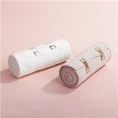
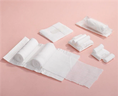
First off, let's talk about what a Hemostatic Bandage is. It's a specialized bandage designed to stop bleeding quickly. These bandages usually contain agents that promote blood clotting, which helps seal the wound and prevent excessive blood loss. They're a must - have in first - aid kits, especially for those who are at risk of injuries, like construction workers, athletes, and outdoor enthusiasts.


Now, hot weather can bring some unique challenges. When it's hot outside, our bodies tend to sweat more. Sweating is the body's natural way of cooling down, but it can affect the performance of hemostatic bandages in a few ways.
One of the main issues is moisture. Sweat can make the bandage wet, which might reduce its adhesive properties. If the bandage doesn't stick well to the skin, it won't be able to stay in place and do its job effectively. The wetness can also cause the bandage to loosen over time, exposing the wound to bacteria and increasing the risk of infection.
But don't worry, most modern hemostatic bandages are designed to handle a certain amount of moisture. They're made with materials that can resist the effects of sweat to some degree. For example, some bandages have a special outer layer that is water - resistant, which helps keep the inside of the bandage dry and the clotting agents active.
Another factor is the heat itself. High temperatures can sometimes affect the chemical properties of the clotting agents in the bandage. In extreme heat, these agents might break down or become less effective. However, this usually only happens in very high - temperature environments, like in a desert during the peak of summer. Most normal hot - weather conditions won't cause significant problems.
To test how well our hemostatic bandages perform in hot weather, we've conducted some in - house experiments. We simulated hot and humid conditions in a controlled environment. We applied the bandages to small wounds on test subjects (under strict ethical guidelines, of course) and monitored how they performed over time.
In our tests, we found that the bandages were still able to stop bleeding effectively even in relatively high - humidity and high - temperature conditions. The key was to make sure the bandage was applied correctly. If it was pressed firmly against the skin and covered the wound completely, it was able to maintain its adhesive and clotting properties.
It's also important to note that proper wound care is crucial in hot weather. Before applying a hemostatic bandage, the wound should be cleaned with clean water or a mild antiseptic. This helps remove any dirt or debris that could interfere with the bandage's performance. And after applying the bandage, it's a good idea to check it regularly to make sure it's still in place and the wound is healing properly.
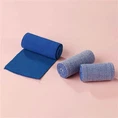
Now, let's talk about some related products that can be useful in hot weather. The Impervious Stretchable Stockinette is a great option. It's stretchy and can be used to cover larger areas of the body. It provides a barrier against moisture and can be used in combination with hemostatic bandages to protect the wound further.
The Disposable Surgical Impervious Stockinette is another useful product. It's designed for single - use and is perfect for preventing contamination in hot and sweaty conditions. It can be especially helpful in surgical settings or for larger wounds that need extra protection.
If you're in the market for hemostatic bandages or any of our related products, I'd love to have a chat with you. Whether you're a medical professional looking to stock up your clinic, a sports team in need of first - aid supplies, or an individual who wants to be prepared for emergencies, we've got you covered.
We offer high - quality products at competitive prices, and our customer service team is always ready to answer any questions you might have. So, don't hesitate to reach out and start a conversation about your needs. We can discuss the best products for your situation and work out a deal that suits you.
In conclusion, hemostatic bandages can perform well in hot weather as long as they're made with quality materials and applied correctly. With proper wound care and the use of complementary products, you can ensure that your wounds are treated effectively even in challenging environmental conditions.
References
- Various in - house research and testing reports on hemostatic bandages' performance in hot weather.
- Industry studies on the effects of heat and moisture on medical bandages.