


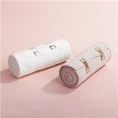
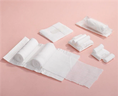


As a supplier of Unna Boot Bandages, I understand the importance of proper application and adjustment of these bandages. The Unna Boot Bandage is a medicated compression bandage commonly used for the treatment of venous stasis ulcers, lymphedema, and other lower - extremity conditions. One of the key aspects of using an Unna Boot Bandage effectively is adjusting its tightness correctly. In this blog, I will share some insights on how to adjust the tightness of an Unna Boot Bandage.


Understanding the Purpose of Tightness in Unna Boot Bandages
The tightness of an Unna Boot Bandage serves several important functions. Firstly, it provides compression to the lower extremities. Compression helps to improve blood circulation by reducing venous stasis, which is the pooling of blood in the veins. This is particularly beneficial for patients with venous insufficiency or those recovering from leg injuries. Secondly, the right amount of tightness helps to hold the bandage in place, ensuring that it stays in contact with the skin and delivers the medicated components effectively.
However, it's crucial to strike a balance. If the bandage is too tight, it can cause discomfort, restrict blood flow, and even lead to tissue damage. On the other hand, if it's too loose, it won't provide the necessary compression and may not stay in place, reducing its therapeutic effectiveness.
Pre - application Assessment
Before applying the Unna Boot Bandage, a thorough assessment of the patient's condition is essential. This includes evaluating the patient's skin integrity, the presence of any open wounds, and the overall condition of the lower extremities. Additionally, it's important to measure the circumference of the leg at various points, such as the ankle, calf, and knee. These measurements will serve as a guide when adjusting the tightness of the bandage.
Step - by - Step Process of Adjusting Tightness
- Prepare the Bandage: Start by ensuring that the Unna Boot Bandage is at the appropriate temperature. If it's too cold, it may become stiff and difficult to apply evenly. Gently unroll a small portion of the bandage to make it more pliable.
- Initial Application: Begin applying the bandage at the base of the toes, working your way up the leg. As you start, apply the bandage with a moderate amount of tension. It should feel snug but not overly tight. Make sure to overlap each layer of the bandage by about half its width to ensure even compression.
- Monitoring Tightness During Application: As you continue to wrap the bandage up the leg, periodically check the tightness. You can do this by inserting one or two fingers between the bandage and the skin. If you can easily slide your fingers under the bandage, it may be too loose. If it's difficult to insert your fingers or if the skin appears pale or numb, the bandage is likely too tight.
- Adjusting for Different Leg Areas: The calf area usually requires more compression than the ankle. As you reach the calf, you can slightly increase the tension of the bandage. However, be careful not to over - tighten. When wrapping around joints like the knee, use a more gentle tension to allow for movement.
- Securing the Bandage: Once you have reached the desired height on the leg, secure the end of the bandage. You can use tape or a self - sticking edge to keep it in place. Make sure that the securing method does not add additional tightness that could cause discomfort.
Factors Affecting Bandage Tightness
- Patient Movement: A patient's level of activity can affect the tightness of the bandage. If a patient is very active, the bandage may loosen over time due to movement. In such cases, it may be necessary to check and readjust the tightness more frequently.
- Swelling: Swelling of the lower extremities can change the fit of the bandage. If a patient experiences swelling, the bandage may become too tight. Conversely, if the swelling reduces, the bandage may become loose. Regular monitoring of the patient's leg size is crucial to ensure proper tightness.
- Bandage Material and Quality: The quality and type of Unna Boot Bandage can also influence tightness. Some bandages may stretch more than others, which can affect the compression they provide. As a supplier, I ensure that the bandages we offer are of high - quality materials that provide consistent compression.
Tools to Assist with Tightness Adjustment
There are several tools that can be used to assist in adjusting the tightness of an Unna Boot Bandage. Compression gauges can be used to measure the amount of pressure applied by the bandage. These gauges provide objective data, which can be helpful in ensuring that the bandage is applied with the correct amount of tension.
Another useful tool is a bandage scissors. In case the bandage is too tight, carefully cutting a small section of the bandage can relieve the pressure. However, this should be done with caution to avoid damaging the skin or the bandage's integrity.
Comparison with Other Bandages
When considering the tightness adjustment of Unna Boot Bandages, it's interesting to compare them with other types of bandages. For example, the Skin Traction Kit is used for different purposes, mainly for providing traction to the bones. The tightness adjustment for a skin traction kit is focused on providing the right amount of pulling force without causing excessive pressure on the skin.
The Plaster of Paris Bandage is commonly used for immobilizing fractures. Once applied, it hardens, and adjusting the tightness after it has set is very difficult. In contrast, an Unna Boot Bandage can be adjusted more easily during and after application.
The Self Adhesive Cast Padding Bandage is often used as a protective layer under casts. It provides a certain level of cushioning, and its tightness adjustment is more about ensuring a proper fit and coverage rather than providing compression like an Unna Boot Bandage.
Importance of Patient Education
Patient education is a vital part of ensuring that the Unna Boot Bandage is used correctly. Patients should be informed about the importance of maintaining the right tightness of the bandage. They should be taught how to check the tightness themselves and when to seek medical advice if they experience any problems, such as excessive tightness or discomfort.
Conclusion
Adjusting the tightness of an Unna Boot Bandage is a skill that requires careful attention and knowledge. By following the steps outlined above, considering the various factors that affect tightness, and using appropriate tools, healthcare providers can ensure that the bandage provides the necessary compression while maintaining patient comfort.
As a supplier of Unna Boot Bandages, I am committed to providing high - quality products and supporting healthcare professionals in their use. If you are interested in purchasing Unna Boot Bandages or have any questions about their application and adjustment, please feel free to contact us for further discussion and procurement.
References
- "Compression Therapy for Chronic Venous Disorders: A Review" - Journal of Vascular Nursing
- "Bandage Application and Management in Lower - Extremity Wound Care" - Wound Care Journal