



Hey there! As a bandage supplier, I've seen firsthand how important it is to know how to properly apply a bandage, especially when dealing with a wound near a joint. Joints are tricky because they're constantly in motion, and a poorly applied bandage can either come loose easily or restrict movement too much. In this blog post, I'll share some practical and straightforward tips on how to do it right.
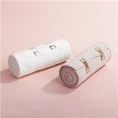
First things first, let's talk about what you'll need. You're going to want a good - quality bandage. If it's a minor wound and you need something for support and protection, a Short Stretch Compression Bandage can be a great option. These bandages offer just the right amount of compression without being overly tight, which is ideal for joints.
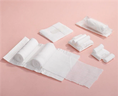
If you're dealing with a wound that needs a more form - fitting coverage, Tubular Stockinette Socks might be the way to go. They're stretchy and can conform well to the shape of the joint, providing a comfortable fit. And for those cases where you're maybe dealing with a joint injury that requires a cast later on or just some extra padding, Under Cast Padding is essential.
Before you start applying the bandage, make sure the wound is clean. I know it sounds obvious, but it's super important. Wash the area gently with mild soap and water, then pat it dry with a clean towel. This helps prevent infection and ensures that the bandage adheres properly.
Now, let's get into the nitty - gritty of applying the bandage to a joint. The key here is to be gentle and follow the natural curves of the joint. If you're using a regular bandage roll, start by placing the end of the bandage just below the joint. Wrap it around the limb once or twice to anchor it in place. Make sure it's not too tight; you should still be able to fit one finger under the bandage comfortably.
As you start to wrap around the joint, here's a little trick. When you reach the joint, make a figure - eight pattern. This helps the bandage adapt to the movement of the joint. For example, if it's a knee joint, wrap the bandage around the lower part of the leg, then cross it over the front of the knee, and then wrap it around the upper part of the leg. Keep repeating this figure - eight motion as you continue to wrap the bandage up the limb.
If you're using a tubular stockinette, it's a bit different. First, make sure you've got the right size. These come in different diameters, so pick one that fits snugly but not too tight. Slip the tubular sock over the joint, being careful not to snag it on any rough edges or the wound itself. You might have to stretch it a little to get it in place, but once it's on, it'll hug the joint nicely.
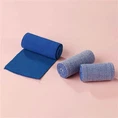
For under - cast padding, you want to layer it carefully. Start by placing a thin layer around the wound area. Then, wrap the padding around the joint, making sure to cover it evenly. If you need more padding for added comfort or protection, add another layer on top. Just make sure it's smooth and there are no wrinkles, as that could cause pressure points.
Another important thing to keep in mind is to check the bandage regularly. Joints move a lot, and the bandage might shift or loosen over time. If it gets too loose, it won't provide proper support or protection. And if it's too tight, it can cut off circulation. Look for signs like numbness, tingling, or swelling, and adjust the bandage as needed.


If the wound starts to bleed or show signs of infection, like redness, pus, or a foul smell, take the bandage off and clean the area again. You might need to see a doctor if the problem persists.
Now, I know learning all this is great, but you're also going to need high - quality bandages to put these techniques into practice. That's where we come in! We're a leading bandage supplier, and we've got a wide range of products to meet all your needs. Whether it's compression bandages for joint support, tubular stockinette for a precise fit, or under - cast padding for comfort, we've got you covered.
If you're interested in our products, we'd love to have a chat with you. We can discuss your specific requirements, talk about pricing, and even help you figure out which bandages are best for your situation. So, don't hesitate to reach out for a purchase negotiation. You'll be amazed at the quality and value we can offer.
References
- Mayo Clinic Guide to First Aid
- American Red Cross First Aid Manual