


Wound dressings play a pivotal role in the wound healing process, and one of their primary functions is to absorb exudate. Exudate is a fluid that is produced by the body in response to injury, containing a mixture of water, proteins, electrolytes, and sometimes bacteria. Proper management of exudate is crucial for preventing maceration of the surrounding skin, reducing the risk of infection, and promoting a conducive environment for wound healing. As a wound dressing supplier, I am well - versed in the mechanisms through which different types of wound dressings absorb exudate.
Types of Wound Dressings and Their Absorption Mechanisms
1. Gauze Dressings
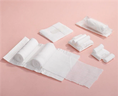
Gauze is one of the oldest and most commonly used wound dressings. It is made of woven or non - woven cotton or synthetic fibers. Gauze dressings absorb exudate mainly through capillary action. Capillary action occurs when a liquid moves through narrow spaces in a porous material against the force of gravity. In the case of gauze, the small spaces between the fibers act as capillaries. When the gauze comes into contact with the exudate, the fluid is drawn into these spaces.
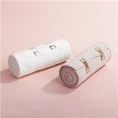
The absorption capacity of gauze depends on its fiber density and the thickness of the dressing. A more tightly woven or thicker gauze will generally have a higher absorption capacity. However, gauze has some limitations. It may dry out quickly, and as it dries, it can adhere to the wound surface, causing pain and trauma when removed. We offer a Tubular Gauze Finger Toe Bandage which is specifically designed for small wounds on fingers and toes. The tubular design allows for easy application and the gauze provides basic exudate absorption.
2. Foam Dressings
Foam dressings are made of polyurethane or other synthetic polymers. They have an open - cell or closed - cell structure. Open - cell foam dressings are highly absorbent. The open cells act like small chambers that can trap and hold exudate. When the foam comes into contact with the wound exudate, the fluid is drawn into these cells through a combination of capillary action and wicking.
Wicking is the process by which the exudate is spread throughout the dressing, preventing pooling at the wound site. Foam dressings can absorb a large amount of exudate relative to their size. They also provide a moist wound environment, which is beneficial for wound healing. Additionally, foam dressings are soft and conformable, making them suitable for use on irregularly shaped wounds.
3. Hydrocolloid Dressings
Hydrocolloid dressings are composed of a matrix of hydrophilic polymers, such as gelatin, pectin, and carboxymethylcellulose, combined with an adhesive backing. When these dressings come into contact with exudate, the hydrophilic polymers absorb the fluid and form a gel. This gel - forming property is what gives hydrocolloid dressings their unique absorption mechanism.
The gel created not only absorbs exudate but also helps to maintain a moist wound environment. It can also act as a barrier against bacteria, reducing the risk of infection. Hydrocolloid dressings are often used for shallow, low - to - moderate exudate wounds, such as pressure ulcers and superficial burns. They adhere well to the skin, providing a secure and comfortable fit.
4. Alginate Dressings
Alginate dressings are derived from seaweed. They are made of calcium alginate fibers. When alginate dressings come into contact with exudate, an ion - exchange reaction occurs. The calcium ions in the alginate fibers are exchanged with sodium ions in the exudate. This reaction causes the alginate fibers to swell and form a gel.
The gel can absorb a significant amount of exudate. Alginate dressings are highly absorbent and are often used for heavily exuding wounds, such as venous leg ulcers and diabetic foot ulcers. The gel formed by alginate dressings is also biocompatible and can promote hemostasis in some cases.
Factors Affecting Exudate Absorption
1. Wound Characteristics
The amount and composition of exudate vary depending on the type and stage of the wound. Acute wounds, such as surgical incisions, may initially have a small amount of serous exudate, which is clear and thin. As the wound progresses, the exudate may become more purulent if there is an infection. Chronic wounds, such as pressure ulcers, often have a higher volume of exudate, which may be thick and contain more proteins and bacteria.
A dressing's absorption capacity needs to be matched to the amount of exudate produced by the wound. For example, a heavily exuding chronic wound would require a highly absorbent dressing like an alginate or a high - capacity foam dressing, while a lightly exuding acute wound could be managed with a hydrocolloid or a thin gauze dressing.
2. Dressing Design and Composition
The design and composition of the dressing play a crucial role in its absorption ability. As mentioned earlier, the structure of the dressing, such as the cell size in foam dressings or the fiber density in gauze dressings, affects how much exudate it can absorb. The materials used in the dressing also matter. Synthetic materials may have different absorption properties compared to natural materials.


For example, synthetic foam dressings can be engineered to have specific absorption rates and capacities. The addition of other substances, such as antimicrobial agents or moisturizers, can also influence the dressing's performance. Some dressings are designed to be multi - layer, with each layer having a different function. For instance, a multi - layer dressing may have an absorbent core surrounded by a protective outer layer.
3. Environmental Conditions
The environmental conditions around the wound can also impact exudate absorption. Temperature and humidity can affect the rate of evaporation of the exudate. In a hot and dry environment, the exudate may evaporate more quickly, reducing the amount of fluid that the dressing needs to absorb. On the other hand, in a humid environment, evaporation is slower, and the dressing may need to handle a larger volume of exudate.
Importance of Proper Exudate Management
Proper exudate management is essential for several reasons. First, excessive exudate can lead to maceration of the surrounding skin. Maceration occurs when the skin is exposed to excessive moisture for an extended period, causing it to become soft, white, and prone to breakdown. This can delay the wound healing process and increase the risk of infection.
Second, by absorbing exudate, wound dressings can help to remove bacteria and other debris from the wound site. This reduces the bacterial load in the wound, which is crucial for preventing infection. Third, maintaining an appropriate level of moisture in the wound is beneficial for cell migration, proliferation, and collagen synthesis, all of which are important steps in the wound healing process.
Our Product Range for Exudate Management
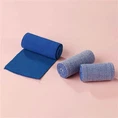
We are a leading wound dressing supplier, offering a wide range of products to meet different exudate management needs. In addition to the Tubular Gauze Finger Toe Bandage, we also provide Military Emergency Bandage and Emergency Trauma Bandage.
Our military emergency bandages are designed for rapid and effective wound care in high - stress situations. They have a high absorption capacity and can be easily applied. The emergency trauma bandages are suitable for use in first - aid settings, providing quick exudate absorption and protection for traumatic wounds.
Contact Us for Procurement
If you are in the market for high - quality wound dressings that effectively absorb exudate, we invite you to contact us for procurement. Our team of experts can help you select the most suitable dressings for your specific needs. Whether you are a healthcare provider, a distributor, or an individual looking for reliable wound care products, we have the solutions you need.
References
- Baranoski, S., & Ayello, E. A. (Eds.). (2012). Wound Care Essentials: Practice Principles. Lippincott Williams & Wilkins.
- Sibbald, R. G., Orsted, H. L., Payne, W. G., & Krasner, D. L. (2000). Wound Bed Preparation: A Systematic Approach to Wound Management. Ostomy/Wound Management, 46(10), 19 - 38.
- Vowden, K., & Vowden, P. (2008). The role of dressings in the management of exuding venous leg ulcers. British Journal of Nursing, 17(22), 1382 - 1386.