


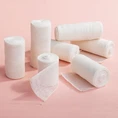
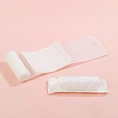
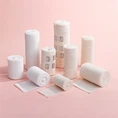
Hey there! As a supplier of First Aid Bandages, I've seen firsthand the importance of knowing how to secure a first aid bandage tightly. Whether you're dealing with a minor cut or a more serious wound, a properly secured bandage can make all the difference in the healing process. In this blog post, I'll share some tips and tricks on how to secure a first aid bandage tightly, so you can be prepared for any emergency.
Understanding the Basics
Before we dive into the specifics of securing a bandage, it's important to understand the different types of first aid bandages available. There are several types of bandages, including adhesive bandages, gauze bandages, and elastic bandages. Each type of bandage has its own unique properties and uses, so it's important to choose the right bandage for the job.
- Adhesive Bandages: These are the most common type of bandage and are typically used for minor cuts and scrapes. Adhesive bandages are easy to use and come in a variety of sizes and shapes.
- Gauze Bandages: Gauze bandages are made of a thin, porous material and are often used for more serious wounds. Gauze bandages can be used to absorb blood and other fluids and can be secured with tape or a bandage clip.
- Elastic Bandages: Elastic bandages are stretchy and are often used to provide support and compression to injured joints and muscles. Elastic bandages can be used to treat sprains, strains, and other injuries.
Preparing the Wound
Before applying a bandage, it's important to clean the wound thoroughly to prevent infection. Use mild soap and water to clean the wound, and then pat it dry with a clean towel. If the wound is bleeding, apply pressure to the wound with a clean cloth or gauze until the bleeding stops.
Choosing the Right Bandage
Once the wound is clean and dry, it's time to choose the right bandage. As mentioned earlier, there are several types of bandages available, so it's important to choose the right bandage for the job. Here are some tips on choosing the right bandage:
- Size: Choose a bandage that is large enough to cover the wound completely. If the bandage is too small, it may not provide adequate coverage, and if it's too large, it may be difficult to secure.
- Type: Choose a bandage that is appropriate for the type of wound. For example, if the wound is a minor cut or scrape, an adhesive bandage may be sufficient. If the wound is more serious, a gauze bandage or an elastic bandage may be necessary.
- Material: Choose a bandage that is made of a material that is comfortable and breathable. Some bandages are made of materials that can cause skin irritation, so it's important to choose a bandage that is suitable for your skin type.
Securing the Bandage
Once you've chosen the right bandage, it's time to secure it tightly. Here are some tips on how to secure a first aid bandage tightly:
- Apply the Bandage: Start by applying the bandage to the wound. Make sure the bandage is centered over the wound and that it covers the entire wound.
- Wrap the Bandage: Wrap the bandage around the wound in a circular motion, making sure to overlap each layer of the bandage by about half. This will help to ensure that the bandage stays in place and provides adequate coverage.
- Secure the Bandage: Once you've wrapped the bandage around the wound, secure it with tape or a bandage clip. Make sure the bandage is tight enough to stay in place, but not so tight that it cuts off circulation.
- Check the Bandage: After securing the bandage, check it regularly to make sure it's still in place and that it's not too tight. If the bandage becomes loose or if it starts to cause discomfort, remove it and reapply it.
Special Considerations
There are some special considerations to keep in mind when securing a first aid bandage. Here are some tips on how to secure a bandage in different situations:
- Fingers and Toes: When securing a bandage on a finger or toe, make sure to leave the tip of the finger or toe exposed. This will allow you to check the circulation in the finger or toe and to make sure that the bandage is not too tight.
- Joints: When securing a bandage on a joint, such as the knee or elbow, make sure to wrap the bandage in a figure-eight pattern. This will help to provide support and compression to the joint and will prevent the bandage from slipping.
- Large Wounds: When securing a bandage on a large wound, such as a burn or a laceration, it may be necessary to use multiple bandages. Make sure to overlap the bandages slightly to ensure that the wound is completely covered.
Our Products
As a supplier of First Aid Bandages, we offer a wide range of high-quality bandages that are designed to meet the needs of different users. Our Blood Stopper Bandage is a great option for stopping bleeding quickly and effectively. Our Military Emergency Bandage is designed for use in emergency situations and is made of a durable, waterproof material.


Contact Us
If you're interested in purchasing our first aid bandages, please contact us to discuss your needs. We offer competitive prices and excellent customer service, and we're committed to providing our customers with the highest quality products.
References
- American Red Cross. (2023). First Aid: Bandaging. Retrieved from https://www.redcross.org/take-a-class/first-aid/first-aid-resources/bandaging
- Mayo Clinic. (2023). First aid: How to treat a cut. Retrieved from https://www.mayoclinic.org/first-aid/first-aid-cut/ART-20056611