


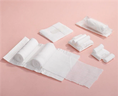



Hey there! As a supplier of adhesive bandages, I've seen a lot of questions from customers about the differences between fabric and plastic adhesive bandages. Today, I'm gonna break it down for you in a way that's easy to understand.
Material and Appearance
Let's start with the basics - the materials. Fabric adhesive bandages are made from, well, fabric! Usually, it's a kind of woven or non - woven material. This gives them a soft and flexible feel. They look more natural and blend in better with your skin. You can almost forget you're wearing them sometimes.
On the other hand, plastic adhesive bandages are made from plastic films. They're often shiny and have a more synthetic look. They come in different thicknesses, but generally, they feel a bit stiffer compared to fabric ones.
Breathability
One of the biggest differences between the two is breathability. Fabric bandages are super breathable. The fabric allows air to pass through, which is great for your skin. When you have a wound, your skin needs to breathe to heal properly. With a fabric bandage, the area under the bandage can stay dry and less prone to irritation. This reduces the risk of developing a rash or other skin problems around the wound.
Plastic bandages, however, are not as breathable. The plastic forms a barrier that can trap moisture. If you leave a plastic bandage on for too long, you might notice that the skin under it gets wet and soggy. This can slow down the healing process and increase the chance of infection.
Adhesion
Adhesion is another important factor. Fabric bandages usually have a good amount of adhesion, but they're designed to be gentle on the skin. They stick well enough to stay in place, but when it's time to remove them, they don't pull too hard on your skin. This is especially important if you have sensitive skin or if the wound is in a delicate area.
Plastic bandages often have stronger adhesion. They can stick firmly to your skin, which is great for areas that are constantly moving, like your fingers or knees. However, this strong adhesion can also be a problem. Removing a plastic bandage can be painful, especially if it's been on for a while and the adhesive has really set in.
Flexibility
When it comes to flexibility, fabric bandages take the lead. They can bend and stretch with your skin. This makes them ideal for joints and areas that move a lot. Whether you're making a fist or bending your elbow, a fabric bandage will move with you without losing its shape or adhesion.
Plastic bandages are less flexible. They can crack or peel when you move your body, which might expose the wound and reduce the bandage's effectiveness.
Absorbency
If your wound is oozing, absorbency is crucial. Fabric bandages are more absorbent than plastic ones. The fabric can soak up the blood or other fluids from the wound, keeping the area clean and dry. This helps in preventing the growth of bacteria and promotes faster healing.
Plastic bandages don't absorb much. They mainly act as a barrier to keep dirt and germs out. If you have a wound that is bleeding or oozing, a plastic bandage might not be the best choice.
Cost
Cost is always a consideration. Generally, plastic bandages are cheaper to produce, so they're often more affordable for consumers. If you need a large quantity of bandages for minor cuts and scrapes, plastic bandages can be a cost - effective option.
Fabric bandages are usually a bit more expensive. The cost of the fabric and the manufacturing process contribute to the higher price. However, considering their benefits in terms of breathability, flexibility, and absorbency, they're worth the extra cost, especially for more serious wounds or for people with sensitive skin.
When to Choose Fabric Bandages
Fabric bandages are a great choice in many situations. If you have a wound on a joint, like your knee, elbow, or finger, a fabric bandage will move with your body and stay in place. They're also perfect for people with sensitive skin. The gentle adhesion and breathability reduce the risk of skin irritation. For wounds that are oozing, fabric bandages can absorb the fluids and keep the area clean. You can check out our Bio Degradable Cohesive Bandage and Elastic Cohesive Bandage, which are both made of high - quality fabric and offer excellent performance.
When to Choose Plastic Bandages
Plastic bandages are better for minor cuts and scrapes that don't require a lot of absorbency. If you need a bandage for a short period and cost is a major concern, plastic bandages are a good option. They're also suitable for areas where you need a strong adhesion, like the palm of your hand or the sole of your foot. Our Foam Adhesive Bandage is a type of plastic - based bandage that provides good protection for minor wounds.


Conclusion
In conclusion, both fabric and plastic adhesive bandages have their own advantages and disadvantages. The choice between the two depends on the type of wound, the location of the wound, your skin sensitivity, and your budget. As a supplier, I can offer you a wide range of both fabric and plastic adhesive bandages to meet your specific needs.
If you're interested in purchasing adhesive bandages for your business or personal use, I'd love to have a chat with you. We can discuss your requirements and find the best products for you. Just reach out, and we can start the procurement process.
References
- Medical Journal of Wound Care
- Skin Health Research Reports