


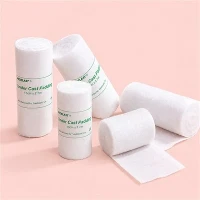
Maintaining an optimal moisture level is crucial in wound healing, and wound dressings play a pivotal role in this process. As a wound dressing supplier, we are deeply involved in understanding and providing products that can effectively manage the moisture environment of wounds. In this blog, we will delve into what the ideal moisture level maintained by a wound dressing is and how our range of products contributes to this critical aspect of wound care.
The Significance of Moist Wound Healing
The concept of moist wound healing has revolutionized the field of wound management. Traditionally, wounds were left to dry out under scabs, but research has shown that a moist environment promotes faster and better healing. When a wound is kept moist, several positive physiological processes are facilitated.
Firstly, a moist environment allows for the migration of epidermal cells, which are essential for re - epithelialization. These cells can move more easily across the wound bed in a moist setting, leading to quicker closure of the wound. Secondly, it helps in maintaining the viability and function of growth factors and enzymes that are crucial for the various stages of wound healing, such as inflammation, proliferation, and remodeling. Additionally, a moist wound environment reduces pain for the patient as it prevents the wound from sticking to the dressing, which can cause discomfort during dressing changes.
Defining the Ideal Moisture Level
Determining the exact ideal moisture level for a wound is complex as it can vary depending on several factors, including the type of wound, its location on the body, and the stage of healing. However, in general, the goal is to keep the wound bed moist but not overly wet.
Overly dry wounds can lead to the formation of a hard scab, which acts as a barrier to the migration of cells and the delivery of nutrients. On the other hand, excessive moisture can cause maceration of the surrounding skin, increasing the risk of infection and delaying the healing process. A well - maintained wound dressing should strike a balance, keeping the wound moist enough to support healing but allowing for the evaporation of excess fluid.
For acute wounds, such as surgical incisions or minor abrasions, the ideal moisture level is typically maintained when the wound bed appears slightly damp. The dressing should be able to absorb any exudate produced during the initial inflammatory phase while still providing a moist surface for the cells to interact. In chronic wounds, such as pressure ulcers or diabetic foot ulcers, which often produce a large amount of exudate, the dressing needs to be more absorbent. However, it still should not allow the wound to become too dry between dressing changes.
How Our Wound Dressings Maintain Ideal Moisture Levels
We offer a diverse range of wound dressings, each designed to meet the specific moisture management needs of different types of wounds.
Disposable Non - woven Eye Pad
Our Disposable Non - woven Eye Pad is an excellent choice for minor eye injuries or post - operative care. The non - woven material is highly absorbent, capable of quickly soaking up any discharge from the eye area. At the same time, it has a soft texture that helps to maintain a gentle and moist environment around the wound. This is important as the eye area is sensitive, and a proper moisture level can prevent irritation and promote faster healing.

Non - adhesive Foam Dressing
Our Non - adhesive Foam Dressing is ideal for wounds with moderate to high exudate. The foam structure has a large capacity for absorbing fluid, which helps to prevent maceration of the surrounding skin. It also provides a cushioning effect, reducing pressure on the wound. The non - adhesive nature of the dressing allows for easy removal without causing damage to the newly formed tissue, while still maintaining a moist environment within the wound bed.

Silicone Foam Dressing
The Silicone Foam Dressing is another innovative product in our portfolio. Silicone has excellent properties for wound care. It is gentle on the skin, reducing the risk of allergic reactions. The foam part of the dressing can absorb exudate, and the silicone layer provides a semi - permeable barrier. This barrier allows for the exchange of moisture and gases, helping to maintain the ideal moisture level. It also adheres well to the skin without causing trauma during removal, which is beneficial for patients with sensitive skin or fragile wounds.

Adhesive I.V. Cannula Dressing
For intravenous (IV) sites, our Adhesive I.V. Cannula Dressing is designed to keep the area clean and moist while preventing infection. The transparent nature of the dressing allows for easy monitoring of the IV site. It has a breathable film that can regulate the moisture level, preventing the build - up of excessive moisture that could lead to skin breakdown. The adhesive is strong enough to keep the dressing in place but gentle on the skin, ensuring patient comfort.

Silicone IV Cannula Dressing
Our Silicone IV Cannula Dressing offers similar benefits to the adhesive IV cannula dressing but with the added advantage of silicone. Silicone provides a smooth and non - irritating surface, which is especially important for long - term IV use. It can maintain a stable moisture environment around the IV site, reducing the risk of complications such as phlebitis.

Factors Affecting Moisture Management in Wound Dressings
Several factors can influence the ability of a wound dressing to maintain the ideal moisture level. The first is the type of wound. As mentioned earlier, acute wounds and chronic wounds have different exudate profiles, and thus require different dressing types. The location of the wound on the body also matters. Wounds in areas with high friction or movement, such as joints, may require dressings that can stay in place and still manage moisture effectively.The patient's overall health can also impact moisture management. For example, patients with diabetes may have impaired circulation, which can affect the amount of exudate produced and the ability of the wound to heal. In such cases, the dressing needs to be carefully selected to address these specific challenges.Choosing the Right Wound Dressing for Moisture Management
When selecting a wound dressing, it is essential to consider the wound characteristics, the patient's condition, and the desired outcome. Healthcare providers should assess the wound regularly to determine if the dressing is maintaining the appropriate moisture level. If the wound is too dry, a more occlusive dressing may be needed. Conversely, if there is excessive moisture, a more absorbent dressing should be chosen.
We understand that making the right choice can be challenging, and our team of experts is always available to provide guidance. Whether you are a hospital, a long - term care facility, or a home care provider, we can help you select the most suitable wound dressing for your patients.
Contact Us for Wound Dressing Procurement
If you are interested in learning more about our wound dressings or would like to discuss procurement, please feel free to reach out to us. We are committed to providing high - quality products that can effectively maintain the ideal moisture level in wounds, promoting better patient outcomes. Our experienced sales team is ready to answer your questions and assist you in finding the best solutions for your wound care needs.
References
- Cutting KF, Harding KG. The importance of wound bed preparation in chronic wounds. Journal of Wound Care. 2002;11(1): 19 - 23.
- Winter GD. Formation of the scab and the rate of epithelialization of superficial wounds in the skin of the young domestic pig. Nature. 1962;193: 293 - 294.
- Sibbald RG, Orsted HL, Ayello EA, et al. Moisture - associated skin damage: a consensus. Journal of Wound, Ostomy and Continence Nursing. 2013;40(3): 293 - 308.