


Tubular bandages are versatile medical products used for various purposes, including wound dressing, support for joints, and even in some non - medical applications like meat wrapping. As a tubular bandages supplier, I often get asked about the price range of these products. In this blog, I'll delve into the factors that influence the price of tubular bandages and provide an overview of the typical price ranges you can expect.
Factors Affecting the Price of Tubular Bandages
Material
The material used in the construction of tubular bandages is one of the primary factors that determine their price. Different materials have different costs associated with their production, sourcing, and processing.
- Gauze: Tubular gauze bandages are commonly used for covering wounds. They are made from a thin, woven cotton or synthetic fabric. Gauze is relatively inexpensive to produce, which makes Tubular Gauze Finger Toe Bandage more affordable. The cost of production is kept low due to the widespread availability of raw materials and the simplicity of the manufacturing process.
- Elasticated Materials: Elasticated tubular bandages, such as those made from viscose or other elastic polymers, are more expensive. Viscose Elasticated Tubular Bandage provides support to joints and muscles. The elastic properties require special manufacturing techniques and the use of more costly raw materials. These bandages are designed to stretch and conform to the body, which adds to their functionality but also increases their price.
- Specialty Materials: Some tubular bandages are made from specialty materials for specific applications. For example, bandages with antimicrobial properties or those designed for sensitive skin use advanced materials that are more expensive to develop and produce. These specialty bandages are priced higher to cover the cost of research, development, and the use of premium materials.
Size and Dimensions
The size and dimensions of tubular bandages also play a significant role in determining their price. Larger bandages generally cost more than smaller ones because they require more material.
- Length: Longer tubular bandages need more fabric, which increases the cost of production. For instance, a 10 - meter tubular bandage will be more expensive than a 1 - meter one. The additional length may be necessary for applications such as wrapping large limbs or for use in industrial settings where more material is required.
- Width: Wider bandages also use more material per unit length. A 10 - centimeter wide tubular bandage will cost more than a 5 - centimeter wide one. The width of the bandage is often chosen based on the area that needs to be covered or supported.
Quantity
The quantity of tubular bandages purchased can have a substantial impact on the price per unit. Buying in bulk usually results in a lower cost per bandage.
- Retail vs. Wholesale: Retail prices are typically higher because the quantity purchased is smaller. When you buy a single tubular bandage from a pharmacy or a medical supply store, you are paying a premium for the convenience of a small - quantity purchase. On the other hand, wholesale prices are much lower. Suppliers offer discounts for large - volume orders because it reduces their handling and distribution costs. For example, if a hospital or a large medical facility orders thousands of tubular bandages at once, they can negotiate a better price per unit.
Brand and Quality
Well - known brands often charge a premium for their tubular bandages. Branded products are associated with quality, reliability, and compliance with strict manufacturing standards.
- Quality Control: Brands invest in quality control measures to ensure that their products meet or exceed industry standards. This includes testing for strength, absorbency, and other performance factors. The cost of these quality control processes is reflected in the price of the bandages. For example, a brand that has a reputation for producing high - quality tubular bandages may charge more than a generic brand that does not have the same level of quality assurance.
- Research and Development: Established brands also invest in research and development to improve their products. They may develop new materials or manufacturing techniques that enhance the performance of their tubular bandages. These R & D costs are passed on to the consumer in the form of higher prices.
Typical Price Ranges
Low - End Tubular Bandages
Low - end tubular bandages are usually made from basic materials and are available in smaller quantities. These bandages are often suitable for minor injuries or for home use.
- Gauze Bandages: Basic tubular gauze bandages, such as those used for finger or toe injuries, can cost as little as $0.50 to $2 per bandage when purchased individually. In bulk, the price per unit can drop to as low as $0.10 to $0.50. These bandages are simple in design and made from inexpensive materials, which makes them affordable for most consumers.
- Generic Brands: Generic tubular bandages from less - well - known brands also fall into the low - end price range. They may not have the same level of quality control or brand recognition as more expensive options, but they can still provide adequate protection and support for minor wounds.
Mid - Range Tubular Bandages
Mid - range tubular bandages offer a balance between quality and price. They are often made from better - quality materials and may have additional features.
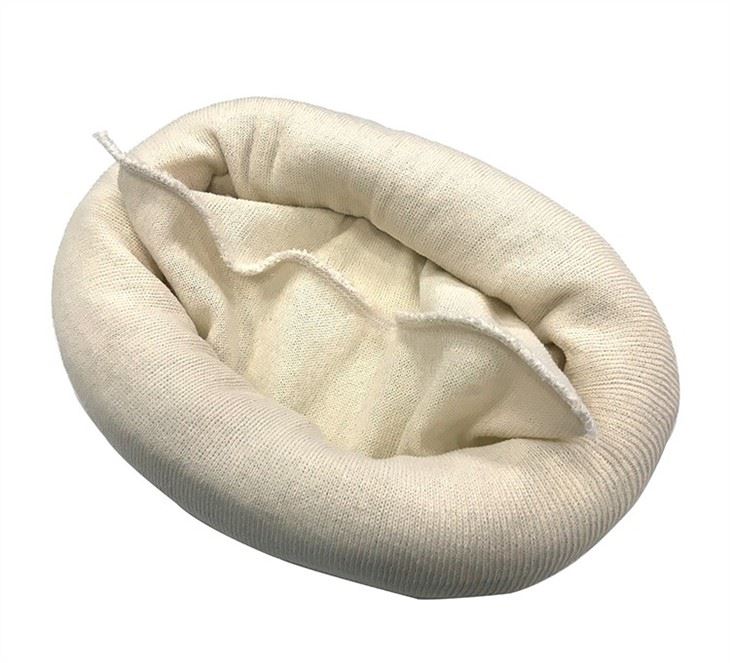

- Elasticated Bandages: Elasticated tubular bandages in the mid - range typically cost between $2 and $5 per bandage when purchased individually. In bulk, the price per unit can range from $0.50 to $2. These bandages are suitable for supporting joints and muscles during physical activities or for treating mild sprains and strains.
- Branded Products: Some mid - range branded tubular bandages are priced within this range. They offer a certain level of quality and reliability, and they may be more widely available in pharmacies and medical supply stores.
High - End Tubular Bandages
High - end tubular bandages are designed for specialized applications and are made from premium materials.
- Specialty Bandages: Bandages with antimicrobial properties, those designed for sensitive skin, or those used in high - end medical procedures can cost $5 to $20 per bandage. These bandages are often used in hospitals, clinics, or by professional athletes. The high price is justified by the advanced materials and the research and development that goes into their production.
- Custom - Made Bandages: Custom - made tubular bandages, which are designed to fit specific body parts or to meet unique requirements, can also be very expensive. The cost of custom - making a bandage includes the cost of design, materials, and labor, which can result in a price of $20 or more per bandage.
Non - Medical Applications and Price
Tubular bandages are not only used in the medical field. They also have non - medical applications, such as Hunting Game Meat Wrap Bag.
- Meat Wrapping: Tubular bandages used for wrapping game meat are usually made from food - grade materials. The price of these bandages can vary depending on the size, material, and quantity. Small - sized meat - wrapping tubular bandages may cost around $1 to $3 per unit, while larger ones or those made from higher - quality materials can cost $3 to $5. Buying in bulk can significantly reduce the cost per unit.
Conclusion
The price range of tubular bandages is influenced by several factors, including material, size, quantity, brand, and quality. As a tubular bandages supplier, I understand the diverse needs of our customers and offer a wide range of products at different price points. Whether you are a consumer looking for a simple tubular gauze bandage for home use or a large - scale medical facility in need of bulk elasticated bandages, we have options to suit your requirements.
If you are interested in purchasing tubular bandages, I encourage you to contact us for more information. We can provide detailed pricing based on your specific needs and quantity requirements. Our team is ready to assist you in finding the right tubular bandages at the best possible price.
References
- Medical Textbooks on Wound Care and Bandaging
- Industry Reports on Medical Supplies Pricing
- Interviews with Manufacturers of Tubular Bandages