





Are there adhesive bandages for animal wounds?

As a supplier of adhesive bandages, I often get asked this question. The answer is a resounding yes! In fact, the market for animal - specific adhesive bandages has been growing steadily as pet owners and veterinarians alike recognize the importance of proper wound care for animals.
The Need for Animal - Specific Adhesive Bandages
Animals, just like humans, can suffer from various types of wounds. Whether it's a cut from a sharp object, a scrape from a fall, or a surgical incision, these wounds need to be protected to prevent infection and promote healing. However, using human - grade adhesive bandages on animals is not always the best solution.
Animals have different skin characteristics compared to humans. Their fur can make it difficult to apply regular bandages, and they may try to chew or scratch at the bandage, causing it to come off prematurely. Also, some animals may be allergic to certain adhesives used in human bandages. Therefore, adhesive bandages designed specifically for animals take these factors into account.
Types of Adhesive Bandages for Animal Wounds
Cohesive Conforming Bandage
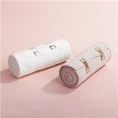
One of the popular types of adhesive bandages for animal wounds is the Cohesive Conforming Bandage. This type of bandage is self - adhering, which means it sticks to itself but not to the animal's fur or skin. It can be easily wrapped around a limb, tail, or other body parts. The conforming nature of the bandage allows it to fit snugly around irregularly shaped areas, providing a secure and comfortable fit. It is also stretchable, which allows for normal movement of the animal without restricting blood circulation.
Bio Degradable Cohesive Bandage
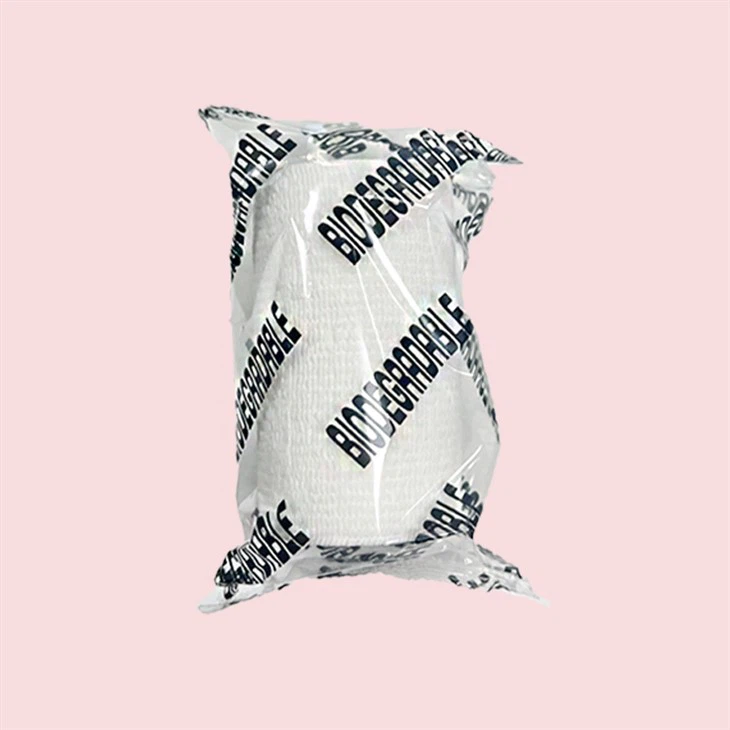
Another great option is the Bio Degradable Cohesive Bandage. In today's environmentally - conscious world, these bandages are a hit. They are made from materials that break down naturally over time, reducing the environmental impact. At the same time, they offer the same level of protection and adhesion as traditional bandages. This type of bandage is ideal for both small and large animals, and it can be used in a variety of settings, from home pet care to veterinary clinics.
Non Woven Finger Bandage
For smaller wounds, such as those on a paw or a small cut on the face, the Non Woven Finger Bandage is a great choice. These bandages are small and flexible, making them easy to apply to delicate areas. The non - woven material is soft and gentle on the animal's skin, and it provides a good barrier against dirt and bacteria.
How to Choose the Right Adhesive Bandage for Your Animal
When selecting an adhesive bandage for an animal wound, there are several factors to consider.
- Size of the Wound: For large wounds, a wider and longer bandage may be required. For small cuts or abrasions, a smaller bandage like the non - woven finger bandage would be sufficient.
- Location of the Wound: If the wound is on a limb, a cohesive conforming bandage that can be wrapped around may be the best option. For wounds on areas with a lot of hair, a self - adhering bandage that won't get caught in the fur is preferable.
- Animal's Behavior: Some animals are more prone to chewing or scratching at bandages. In such cases, a bandage that is more secure and less likely to be removed by the animal's actions should be chosen.
- Allergies: If the animal has known allergies, it's important to choose a bandage made from hypoallergenic materials.
Application and Care of Adhesive Bandages on Animals
Proper application of the adhesive bandage is crucial for effective wound care.
- Clean the Wound: Before applying the bandage, gently clean the wound with a mild antiseptic solution recommended by a veterinarian. This helps to remove dirt and bacteria from the wound.
- Measure and Cut the Bandage: Cut the bandage to the appropriate size. Make sure it is long enough to cover the wound and provide a secure fit.
- Apply the Bandage: Start at one end of the wound and carefully wrap the bandage around the affected area. For cohesive bandages, make sure they are wrapped snugly but not too tightly to avoid restricting blood flow.
- Monitor the Bandage: Regularly check the bandage to make sure it is still in place and that the wound is healing properly. If the bandage becomes dirty, wet, or loose, it should be replaced.
Benefits of Using Adhesive Bandages for Animal Wounds
- Infection Prevention: Adhesive bandages create a physical barrier between the wound and the external environment, preventing dirt, bacteria, and other contaminants from entering the wound.
- Promote Healing: By keeping the wound clean and protected, bandages can help to speed up the healing process. They also reduce the risk of the animal licking or scratching the wound, which can delay healing.
- Comfort for the Animal: A well - applied bandage can provide comfort to the animal by reducing pain and irritation associated with the wound.
Conclusion
In conclusion, there are indeed adhesive bandages specifically designed for animal wounds. As a supplier, we are committed to providing high - quality bandages that meet the diverse needs of animals and their owners. Whether you are a pet owner looking to take care of your furry friend at home or a veterinarian in a clinic, our range of adhesive bandages, including the Cohesive Conforming Bandage, Bio Degradable Cohesive Bandage, and Non Woven Finger Bandage, can offer effective wound care solutions.
If you are interested in learning more about our products or would like to discuss your specific requirements for animal adhesive bandages, we encourage you to reach out to us for a procurement consultation. We look forward to serving you and helping you provide the best care for your animals.
References
- "Veterinary Wound Management" - A comprehensive guidebook on wound care for animals.
- Journal of Small Animal Practice - Articles on the latest research and best practices in animal wound treatment.
- American Veterinary Medical Association (AVMA) publications - Information on animal health and proper wound care techniques.