


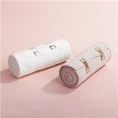

Hey there! As a supplier of Unna Boot Bandages, I often get asked some pretty interesting questions. One that pops up quite a bit is, "Can an Unna Boot Bandage be used on the arms?" Let's dig into this topic and find out.
First off, let's understand what an Unna Boot Bandage is. It's a type of compression bandage that's usually used for treating lower - leg conditions like venous stasis ulcers, varicose veins, and mild to moderate ankle sprains. The bandage is impregnated with zinc oxide, calamine, glycerin, and other substances. These ingredients help soothe the skin, reduce inflammation, and provide a stable compression environment for the affected area.
Now, onto the big question: using it on the arms. Technically, an Unna Boot Bandage can be used on the arms, but there are some important things to consider.
Advantages of Using Unna Boot Bandage on the Arms
One of the main benefits is the compression it provides. Compression is great for reducing swelling. If you've got an arm injury, like a sprained wrist or an elbow injury with some swelling, the compression from the Unna Boot Bandage can help push the excess fluid out of the area. This can speed up the healing process and make the pain and discomfort a bit more bearable.
The zinc oxide in the bandage also has antibacterial properties. If there's a small cut or abrasion on the arm along with the injury, the bandage can help prevent infection. And the calamine and glycerin in it are known for their skin - soothing properties. They can keep the skin under the bandage from getting irritated, which is pretty important when you're going to have the bandage on for a while.


Disadvantages and Challenges
However, there are some drawbacks. The Unna Boot Bandage is designed primarily for the lower limbs. The shape and the way it's typically applied are more tailored to the contours of the legs and ankles. The arms have a different shape and range of motion compared to the legs. So, getting the right fit on the arms can be tricky. If it's not applied correctly, it may not provide the optimal compression. It could be too tight in some areas, cutting off circulation, or too loose in others, not providing enough support.
Another challenge is the mobility of the arms. We use our arms for so many daily activities. Things like writing, typing, and carrying objects. When you have an Unna Boot Bandage on your arm, it can restrict your movement to some extent. This can be a real inconvenience, especially if you have a job or hobbies that require a lot of arm dexterity.
Comparing with Other Bandages
When thinking about using an Unna Boot Bandage on the arms, it's also worth comparing it with other bandages on the market. For example, Plaster Of Paris Slab and Plaster of Paris Bandage are more commonly used for immobilizing fractures. They provide a very rigid support, which might be too much if you just have a soft - tissue injury in the arm.
On the other hand, Skin Traction Kit is used to apply a gentle pulling force to the limb. It's mainly used for certain types of fractures or dislocations. While it can help with alignment, it's not designed for the kind of compression and skin - soothing that an Unna Boot Bandage offers.
Application Process on the Arms
If you decide to use an Unna Boot Bandage on the arms, the application process is a bit different from using it on the legs. First, make sure the arm is clean and dry. Then, start wrapping the bandage from the wrist area, just like you would start from the ankle when applying it to the legs. But be extra careful to follow the contours of the arm, adjusting the tension as you go. You want to make sure there are no wrinkles or bunching up of the bandage, as this can cause pressure points.
After applying the bandage, check the circulation in the fingers regularly. Look for any signs of numbness, tingling, or the fingers turning blue or pale. If you notice any of these symptoms, it means the bandage is too tight and needs to be adjusted immediately.
Potential Risks
There are also some potential risks when using an Unna Boot Bandage on the arms. As I mentioned before, the risk of improper fitting leading to circulation problems is a big one. Additionally, if the bandage gets wet, it can break down more quickly and lose its effectiveness. It can also lead to skin problems like maceration, which is when the skin becomes soft and wrinkled due to prolonged exposure to moisture.
When to Use and When to Avoid
So, when should you consider using an Unna Boot Bandage on the arms? It's a good option if you have a mild to moderate soft - tissue injury with swelling, like a sprain or a strain. And if you want some skin - soothing properties along with compression, it could be a viable choice.
However, you should avoid using it if you have a severe fracture that requires immobilization. In that case, a Plaster Of Paris Slab or Plaster of Paris Bandage would be more appropriate. Also, if you have an open wound that needs frequent cleaning and dressing changes, the Unna Boot Bandage might not be the best option, as it's designed to stay on for a longer period.
Conclusion and Call to Action
In conclusion, while an Unna Boot Bandage can be used on the arms, it's not without its challenges. You need to weigh the pros and cons carefully before deciding if it's the right choice for your arm injury.
If you're interested in purchasing high - quality Unna Boot Bandages for your medical needs, whether it's for legs or arms, we're here to help. We've got a wide range of products that are designed to meet different requirements. And our team of experts can also provide you with more information on how to use them properly. So, if you're looking to start a purchase or want to have a chat about our products, don't hesitate to reach out. We're always ready to have a productive discussion and find the best solution for you.
References
- "Orthopedic Bandage Handbook" - A well - known medical guide on various orthopedic bandages.
- Research studies on the use of compression bandages in limb injuries.