




Hey there! As a supplier of plasters, I often get asked, "Do plasters expire?" It's a question that many people might not think about until they reach into their medicine cabinet and find an old box of plasters. So, let's dive into this topic and find out the ins and outs of plaster expiration.
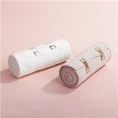
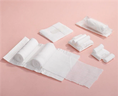
First off, let's understand what plasters are. Plasters are those handy little adhesive strips we use to cover minor cuts, scrapes, and wounds. They come in all shapes and sizes, and we've got a great range here at our supply. For example, we have the Nasal Fix Plaster, which is designed to help keep your nose in place, especially useful for those with nasal issues. Then there are the Disposable Nose Plasters, which are perfect for short - term use and easy to throw away after. And if you're looking for something with a bit of a kick, our Porous Capsicum Plaster might be just the thing.
Now, back to the main question: do plasters expire? The short answer is yes, they do. Just like any other medical product, plasters have an expiration date. But why is that? Well, there are a few reasons.
One of the main factors is the adhesive. Over time, the adhesive on the plaster can dry out or lose its stickiness. When you first buy a plaster, the adhesive is strong enough to hold the plaster firmly in place on your skin. But as it ages, it might not stick as well. You know how annoying it is when you put on a plaster, and it just keeps falling off? That could be because the adhesive has expired.
Another thing that can happen is that the material of the plaster itself can degrade. Plasters are usually made of materials like fabric, plastic, or paper. These materials can break down over time, especially if they're exposed to heat, moisture, or light. For instance, if you store your plasters in a hot and humid bathroom cabinet, the material might start to weaken, making the plaster less effective at protecting your wound.
The antibacterial properties of some plasters can also diminish over time. Many plasters are treated with antibacterial agents to help prevent infection. But as the plaster gets older, these agents might lose their potency. So, if you use an expired plaster on a wound, it might not be able to do its job of keeping bacteria at bay as well as a fresh one.
You might be wondering how to tell if a plaster has expired. Well, most plasters come with an expiration date printed on the packaging. It's usually a good idea to check this date before using a plaster. If the date has passed, it's probably best to toss it out and use a new one.


But what if you don't have the packaging, or you can't find the expiration date? There are still some signs you can look for. If the adhesive looks dry or cracked, that's a pretty good indication that the plaster is past its prime. Also, if the plaster material seems brittle or has changed color, it's likely not in good condition.
Now, you might be thinking, "Well, what's the big deal if I use an expired plaster? It's just a little cut." While it might seem like no biggie for a minor scrape, using an expired plaster can actually increase the risk of infection. As I mentioned earlier, the antibacterial properties might be reduced, and the weakened adhesive could allow bacteria to get under the plaster and into the wound.
So, how should you store your plasters to make them last as long as possible? The best place to store plasters is in a cool, dry place. Avoid storing them in direct sunlight or in areas with high humidity, like the bathroom. A medicine cabinet in a bedroom or a drawer in a cool part of the house is a good choice.
As a plasters supplier, I know how important it is to have high - quality, effective plasters on hand. That's why we make sure all our plasters are fresh and within their expiration dates when they leave our warehouse. We source the best materials and use the latest manufacturing techniques to ensure that our plasters are of the highest quality.
If you're in the market for plasters, whether it's for your home first - aid kit, a business, or a medical facility, we've got you covered. Our range of plasters is designed to meet all your needs, from simple wound protection to specialized applications like nasal support.
We offer competitive prices and fast shipping, so you can get the plasters you need when you need them. And if you have any questions about our products, our customer service team is always here to help. We're passionate about providing the best plasters on the market, and we want to make sure you're completely satisfied with your purchase.
If you're interested in learning more about our plasters or want to place an order, don't hesitate to reach out to us. We're always open to discussing your specific requirements and finding the right plasters for you. Whether you need a small quantity for personal use or a large order for a business, we can work with you to make it happen.
In conclusion, plasters do expire, and it's important to pay attention to their expiration dates and storage conditions. Using expired plasters can put you at risk of infection and other issues. But with our high - quality plasters and proper storage, you can keep your wounds protected and healthy. So, if you're in need of plasters, give us a chance to be your supplier. We're confident you won't be disappointed.
References
- General knowledge of medical product expiration and storage
- Industry standards for plaster manufacturing and quality control