


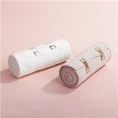



Bandages are one of those things we often take for granted. We reach for them when we get a cut or a sprain, but how many of us really know about their history? As a bandage supplier, I've always been fascinated by the journey of these essential medical tools, from their humble beginnings to the high - tech products we have today.
Ancient Origins
The use of bandages dates back thousands of years. In ancient Egypt, for example, they were already using bandages as early as 3000 BC. The Egyptians were masters of mummification, and in the process, they developed a great understanding of how to wrap and protect the body. They used linen strips, which were readily available and could be easily cut into long, thin strips. These linen bandages were not only used in mummification but also for treating wounds. The Egyptians believed that wrapping a wound was a way to protect it from evil spirits as well as from physical harm.
Moving on to ancient Greece and Rome, bandages were also an important part of medical treatment. Hippocrates, the father of medicine, wrote about the proper way to apply bandages. He emphasized the importance of cleanliness and the correct tension when wrapping a wound. The Greeks and Romans used a variety of materials for bandages, including wool, cotton, and linen. They also started to experiment with different types of bandaging techniques. For instance, they would use circular bandages for simple wounds and figure - eight bandages for joints.
Middle Ages and Renaissance
During the Middle Ages, the knowledge of medicine and bandaging techniques was somewhat limited. The Church had a significant influence, and many medical practices were based on religious beliefs rather than scientific knowledge. However, monks in monasteries played an important role in preserving and passing on medical knowledge. They continued to use bandages made from natural fibers like linen and wool.
In the Renaissance, there was a renewed interest in science and medicine. Andreas Vesalius, a famous anatomist, made detailed studies of the human body, which also had an impact on bandaging. Surgeons started to understand the importance of proper blood circulation and how bandages could affect it. They began to use more sophisticated bandaging methods to treat fractures and wounds. For example, they would use splints along with bandages to immobilize broken bones.
Industrial Revolution
The Industrial Revolution brought about a major change in the production of bandages. With the invention of the power loom, it became much easier and faster to produce large quantities of bandage materials. Cotton became the most popular material for bandages because it was soft, absorbent, and relatively inexpensive.
This period also saw the development of new types of bandages. Elastic bandages were introduced, which were made from rubber threads woven into a fabric. These elastic bandages provided better support for joints and muscles, and they were especially useful for treating sprains and strains. The ability to mass - produce bandages made them more accessible to the general public, and they started to become a common item in households.
Modern Era
In the modern era, bandages have come a long way. The development of new materials and technologies has led to the creation of high - performance bandages. For example, there are now bandages made from synthetic materials like polyester and nylon. These materials are strong, durable, and can be designed to have specific properties.
One of the most significant advancements in bandage technology is the development of adhesive bandages. The first adhesive bandage was invented by Earle Dickson in 1920 for his wife, who often cut herself while cooking. Johnson & Johnson started mass - producing these bandages, and they quickly became a staple in first - aid kits around the world.
Today, we also have specialized bandages for different purposes. Take the Honeycomb Elastic Bandage, for example. This type of bandage has a unique honeycomb structure that provides excellent stretchability and support. It's great for use on joints and for providing compression during sports injuries.
The Head Net Bandage is another specialized product. It's designed to fit snugly over the head and is often used to hold dressings in place on head wounds. And then there's the Skin Traction Kit, which is used in orthopedic treatments to provide gentle traction to the skin and underlying tissues.
My Experience as a Bandage Supplier
As a bandage supplier, I've had the opportunity to see firsthand how these products have evolved. I remember when we first started carrying some of the more traditional cotton bandages. They were simple but effective, and they were in high demand. But as the market changed and customers started to look for more specialized products, we had to adapt.
We've worked hard to source the best - quality bandages from around the world. We understand that when it comes to medical products, quality is of the utmost importance. That's why we only work with manufacturers who meet strict quality standards.
We also strive to provide excellent customer service. We know that our customers, whether they're hospitals, clinics, or individual consumers, rely on us to have the right bandages in stock when they need them. We offer a wide range of products, from basic adhesive bandages to high - tech orthopedic bandages.
Why Choose Our Bandages?
There are many reasons why you should consider choosing our bandages. First of all, we offer a diverse range of products to meet different needs. Whether you're looking for a simple bandage to cover a small cut or a specialized bandage for a complex medical condition, we've got you covered.


Secondly, our bandages are of the highest quality. We use only the best materials and employ strict quality control measures at every stage of the production process. This ensures that you get a reliable product that will perform as expected.
Finally, we offer competitive prices. We understand that cost is an important factor for many of our customers, especially in the healthcare industry. That's why we work hard to keep our prices affordable without compromising on quality.
Get in Touch for Purchasing
If you're in the market for bandages, whether it's for your medical facility, your sports team, or just for your home first - aid kit, we'd love to hear from you. We're here to help you find the right bandages for your needs. Whether you have questions about our products, need advice on which bandage to choose, or want to place an order, don't hesitate to reach out. We're committed to providing you with the best possible service and the highest - quality bandages.
References
- "History of Medicine" by Fielding H. Garrison
- "The Evolution of Medical Technology" by Thomas J. Flaherty
- Various online resources on medical history and bandage development