






Do Tubular Bandages Need to Be Adjusted During Use?
As a supplier of tubular bandages, I've encountered numerous inquiries from customers regarding the necessity of adjusting tubular bandages during their use. This topic is not only crucial for the proper application of these bandages but also for ensuring the best possible care for patients. In this blog, I'll delve into the factors that determine whether tubular bandages need adjustment and provide insights based on scientific knowledge and practical experience.
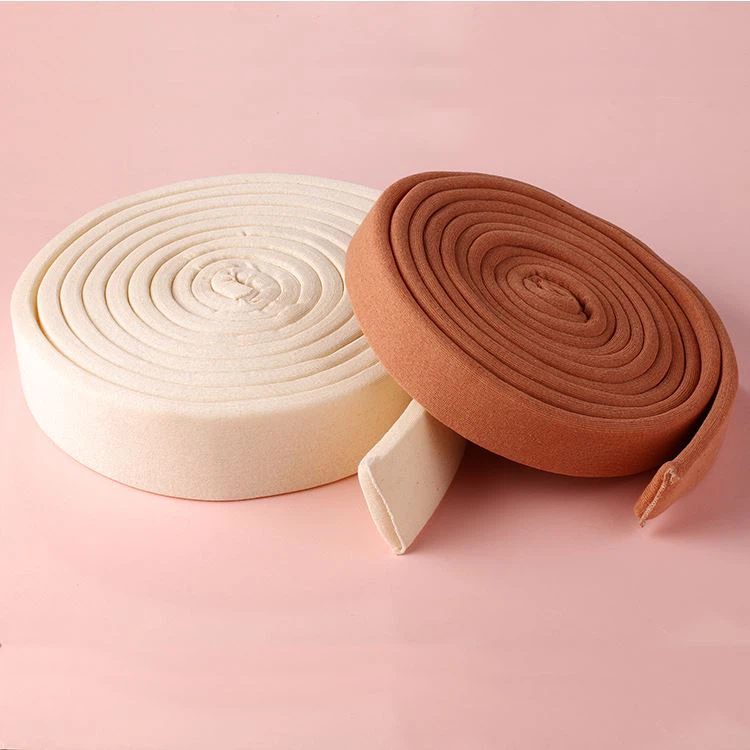
Tubular bandages come in various types, each designed for specific applications. For instance, the Tubular Terry Cloth Bandage is known for its softness and absorbency, making it suitable for covering wounds and providing gentle support. The Collar and Cuff Bandage is often used for securing dressings around joints or extremities, while the Tubular Net Bandage offers a lightweight and breathable option for holding dressings in place.
One of the primary reasons why tubular bandages may need adjustment is the natural movement of the body. When a patient moves, the bandage can shift due to muscle contractions, joint movements, or changes in body posture. This shifting can lead to uneven pressure distribution, which may affect the bandage's ability to provide adequate support or maintain the dressing's position. For example, if a tubular bandage is applied to an arm and the patient bends their elbow, the bandage may bunch up or become too tight in some areas and too loose in others. In such cases, adjustment is necessary to ensure that the bandage continues to function effectively.
Another factor that can influence the need for adjustment is swelling. Swelling is a common response to injury or inflammation, and it can cause the size of the body part to change. If a tubular bandage is applied before swelling occurs and the swelling progresses, the bandage may become too tight, restricting blood circulation and potentially causing discomfort or damage to the underlying tissues. On the other hand, if the bandage is applied after the swelling has reached its peak and the swelling begins to subside, the bandage may become too loose, losing its ability to provide support or hold the dressing in place. Therefore, it's important to monitor the patient's condition and adjust the bandage as needed to accommodate changes in swelling.
The material and design of the tubular bandage also play a role in determining whether adjustment is necessary. Some bandages are made from stretchable materials that can adapt to changes in body shape and movement, reducing the need for frequent adjustment. However, even these bandages may require occasional adjustment to ensure a proper fit. Other bandages may have a more rigid design, which may be less forgiving of movement and swelling. In such cases, more frequent adjustment may be necessary to maintain the bandage's effectiveness.
Proper application of the tubular bandage is also crucial in minimizing the need for adjustment. When applying a tubular bandage, it's important to ensure that it is evenly distributed and properly secured. This can be achieved by following the manufacturer's instructions and using the appropriate techniques. For example, when applying a tubular bandage to an arm or leg, it's recommended to start at the distal end (the end furthest from the body) and work towards the proximal end (the end closest to the body). This helps to prevent the bandage from slipping and ensures a more secure fit.
In addition to the factors mentioned above, the patient's activity level and the type of injury or condition being treated can also influence the need for adjustment. Patients who are more active may require more frequent adjustment of their tubular bandages to accommodate their movements.
Similarly, certain injuries or conditions may require more precise support or pressure, which may necessitate more frequent adjustment to ensure that the bandage is providing the appropriate level of care.


To determine whether a tubular bandage needs adjustment, it's important to regularly assess the patient's condition and the fit of the bandage. This can be done by visually inspecting the bandage for signs of shifting, bunching, or looseness, as well as by checking the patient's comfort level. If the patient reports discomfort, pain, or numbness, it may be a sign that the bandage needs adjustment. Additionally, if the bandage appears to be too tight or too loose, or if it is not providing the expected level of support, adjustment is necessary.
In conclusion, tubular bandages may need to be adjusted during use to ensure proper fit, support, and comfort. Factors such as body movement, swelling, material and design, application technique, patient activity level, and the type of injury or condition being treated can all influence the need for adjustment. By regularly assessing the patient's condition and the fit of the bandage, and by making adjustments as needed, healthcare providers can ensure that tubular bandages are used effectively and safely.
If you're interested in learning more about our tubular bandages or would like to discuss your specific needs, please feel free to contact us for a procurement consultation. We're committed to providing high-quality products and excellent customer service, and we look forward to working with you.
References
- Medical textbooks on wound care and bandaging techniques.
- Manufacturer's instructions for tubular bandages.
- Clinical studies on the use of tubular bandages in different medical settings.