



In the medical and first - aid field, the properties of bandages are of utmost importance to ensure proper wound care and patient recovery. As a prominent supplier of cambric bandages, I am often questioned about whether cambric bandages possess antibacterial properties. This blog aims to delve into this topic, analyzing the scientific basis, and comparing cambric bandages with other types of bandages we offer.
Understanding Cambric Bandages
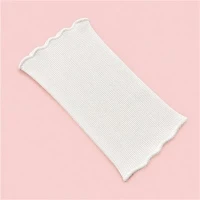
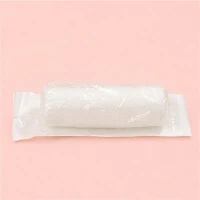
Cambric bandages are typically made from a closely woven cotton fabric. They are lightweight, flexible, and breathable, which makes them suitable for a variety of applications. They are often used to secure dressings, immobilize joints, and provide support. The smooth texture of cambric bandages is less likely to cause irritation to the skin, making them a popular choice for patients with sensitive skin.
Antibacterial Properties: Fact or Fiction?
The natural state of cambric bandages, made from plain cotton, does not inherently possess antibacterial properties. Cotton itself is a natural fiber that can absorb moisture, which is a double - edged sword. On one hand, it can wick away sweat and keep the wound area dry to some extent, which is beneficial for wound healing. However, on the other hand, if the environment is moist, the absorbed moisture can create a breeding ground for bacteria.
To understand the antibacterial aspect more clearly, we need to look at the components of bacteria and how they interact with materials. Bacteria require certain conditions to thrive, such as warmth, moisture, and a source of nutrients. A basic cambric bandage, without any special treatments, lacks the ability to actively inhibit the growth of bacteria. Its primary function is mechanical support and protection rather than antibacterial defense.


How Bacteria React to Cambric Bandages
When a wound is covered with a cambric bandage, bacteria from the external environment may land on the bandage. If the wound is still discharging fluids, these fluids can be absorbed by the cambric bandage. The bandage can hold onto this moisture, and if the exchange of air is limited, bacteria can start to multiply. For example, Staphylococcus aureus, a common bacterium found on the skin, can adhere to the surface of the bandage and grow if conditions are favorable.
Antibacterial Treatments for Cambric Bandages
Some manufacturers, including us, offer cambric bandages that have undergone antibacterial treatments. These treatments can involve the application of substances such as silver nanoparticles, which have well - documented antibacterial properties. Silver ions can disrupt the cell membranes of bacteria, preventing their growth and reproduction. When a wound is covered with an antibacterial - treated cambric bandage, the silver ions are slowly released, creating an antibacterial zone around the wound.
Comparing with Other Bandages in Our Catalog
We also offer a range of other bandages, each with its own unique properties. Let's take a look at some of them:
- Sterile Pack Conforming Bandage: This bandage is designed to conform to the body's contours while maintaining a sterile environment. While it may not be specifically antibacterial in its natural form, the sterility reduces the initial risk of bacterial contamination.
- Ideal Bandage: Ideal bandages are known for their flexibility and durability. Similar to cambric bandages, they can be treated with antibacterial agents to enhance their protective capabilities.
- Blue Lines Crepe Bandage: The blue lines crepe bandage is made from a crepe - textured fabric. It provides good elasticity and support. Depending on the treatment, it can also have antibacterial functions.
- Elastic Conforming Bandage: This bandage combines conformability with elasticity. It is often used for sprains and strains. Antibacterial versions of this bandage can offer additional protection against infections.
- Cotton Crepe Bandage: Made from cotton, similar to cambric but with a crepe texture, it shares some of the same properties. When treated, it can also have antibacterial effects.
Impact of Antibacterial Properties on Wound Healing
The presence of antibacterial properties in bandages can have a significant impact on wound healing. By reducing the bacterial load around the wound, the risk of infection is decreased. Infections can delay the wound - healing process, cause pain, and in severe cases, lead to more complicated health issues. An antibacterial bandage, such as a treated cambric bandage, can prevent these negative outcomes. It promotes a clean and favorable environment for cell regeneration and tissue repair.
Choosing the Right Bandage
When it comes to choosing the right bandage for a particular situation, several factors need to be considered. For minor cuts and abrasions where the risk of infection is low, a regular cambric bandage may be sufficient. However, for deeper wounds, wounds in areas prone to contamination, or wounds on patients with compromised immune systems, an antibacterial - treated bandage is recommended.
Our Role as a Supplier
As a supplier of cambric bandages and other types of bandages, we are committed to providing high - quality products. We invest in research and development to ensure that our bandages meet the highest standards of safety and efficacy. Our antibacterial - treated bandages undergo rigorous testing to guarantee their performance.
Contact Us for Procurement
If you are a medical institution, a first - aid provider, or someone in need of high - quality bandages, we would be delighted to discuss your procurement needs. We can offer you a wide range of options, including cambric bandages with antibacterial properties. Reach out to us to start a conversation about how we can meet your specific requirements.
References
- Davies, J. & Davies, D. (2010). Origins and evolution of antibiotic resistance. Microbiology and Molecular Biology Reviews, 74(3), 417 - 433.
- Silver, S. (2003). Bacterial silver resistance: molecular biology and uses and misuses of silver compounds. FEMS Microbiology Reviews, 27(2 - 3), 341 - 353.
- Vowden, K. & Vowden, P. (2009). Silver products for medical indications: risk benefit assessment. International Wound Journal, 6(4), 273 - 284.