



Selecting the right adhesive bandage for a knee wound is crucial for proper wound care and recovery. As a supplier of high - quality adhesive bandages, I understand the importance of making an informed choice. In this blog, I'll guide you through the key factors to consider when choosing an adhesive bandage for a knee wound.
1. Wound Size and Depth
The first step in choosing an adhesive bandage for a knee wound is to assess the size and depth of the wound. For small, superficial cuts and scrapes, a standard adhesive bandage with a small absorbent pad may be sufficient. These bandages are designed to protect the wound from dirt and bacteria while allowing it to heal naturally.
However, if the wound is larger or deeper, you'll need a bandage with a larger absorbent area and better cushioning. Foam Adhesive Bandage is an excellent choice in such cases. The foam padding provides extra cushioning to prevent pressure on the wound, and it can absorb more exudate, keeping the wound dry and promoting faster healing.
2. Skin Sensitivity
Everyone's skin is different, and some people may have sensitive skin that reacts to certain adhesives. If you or the person with the knee wound has sensitive skin, it's important to choose a bandage with a hypoallergenic adhesive. Hypoallergenic adhesives are less likely to cause skin irritation, redness, or itching.
Look for bandages that are labeled as hypoallergenic or specifically designed for sensitive skin. These bandages often use gentle adhesives that adhere well to the skin without causing discomfort. Additionally, some bandages have a soft, non - woven backing that is more gentle on the skin compared to traditional plastic or fabric backings.
3. Flexibility and Movement
The knee is a joint that moves a lot, so the adhesive bandage you choose needs to be flexible enough to accommodate movement. A rigid or inflexible bandage may not stay in place properly and can even cause the wound to reopen or become irritated.
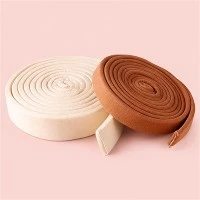
Elastic or stretchable bandages are ideal for knee wounds. They can stretch and move with the knee joint, providing continuous protection and support. Cohesive Conforming Bandage and Conforming Cohesive Bandage are great options. These bandages conform to the shape of the knee and can be easily wrapped around the joint without restricting movement. They also have a self - adhering property, which means they stick to themselves but not to the skin, reducing the risk of skin damage when removed.
4. Absorbency
Proper absorbency is essential for wound healing. A wound on the knee can produce a significant amount of exudate, especially if it's a fresh wound or has become infected. An absorbent bandage helps to keep the wound dry by soaking up the exudate, which reduces the risk of infection and promotes a moist wound environment that is conducive to healing.
Bandages with high - absorbency materials, such as cotton or cellulose, are recommended. The absorbent pad should be large enough to cover the wound and absorb all the exudate. Some bandages have multiple layers of absorbent material to increase their absorbency capacity.
5. Waterproofness
If the person with the knee wound is likely to come into contact with water, such as when showering or swimming, a waterproof adhesive bandage is necessary. Waterproof bandages create a barrier that prevents water from entering the wound, reducing the risk of infection.
These bandages typically have a waterproof backing and a secure adhesive that keeps the bandage in place even when wet. However, it's important to note that waterproof bandages may not be as breathable as non - waterproof ones, so they should not be left on for extended periods without proper ventilation.
6. Sterility
For any open wound, it's crucial to use a sterile adhesive bandage to prevent infection. Sterile bandages are packaged in a way that maintains their sterility until they are opened. When purchasing bandages, look for the “sterile” label on the packaging.
Make sure to follow proper wound - care procedures when applying a sterile bandage. Wash your hands thoroughly before handling the bandage, and avoid touching the adhesive side or the absorbent pad to prevent contamination.
7. Adhesive Strength
The adhesive strength of the bandage is another important factor. The bandage needs to stick firmly to the skin to stay in place, especially on the knee, which is a high - movement area. However, it should also be easy to remove without causing pain or skin damage.


A good adhesive bandage will have a strong enough adhesive to hold the bandage in place during normal activities but will release easily when it's time to change the bandage. Some bandages have a “peel - off” design that makes removal more comfortable.
8. Cost - Effectiveness
While it's important to choose a high - quality adhesive bandage for a knee wound, cost - effectiveness is also a consideration. There are many different brands and types of bandages available on the market, each with its own price point.
Compare the features and prices of different bandages to find the one that offers the best value for money. Sometimes, a more expensive bandage may have additional features that justify the cost, such as better absorbency or a hypoallergenic adhesive. However, there are also many affordable bandages that provide adequate protection and meet the basic requirements for wound care.
Conclusion
Choosing the right adhesive bandage for a knee wound involves considering several factors, including wound size and depth, skin sensitivity, flexibility, absorbency, waterproofness, sterility, adhesive strength, and cost - effectiveness. As a supplier of adhesive bandages, I offer a wide range of products that meet these different requirements. Whether you need a simple bandage for a small scrape or a specialized bandage for a large, deep wound, I can provide you with the right solution.
If you're interested in purchasing adhesive bandages for your personal use, a medical facility, or a business, I encourage you to contact me for more information and to discuss your specific needs. I'm committed to providing high - quality products and excellent customer service. Let's work together to ensure that your knee wounds are properly cared for.
References
- American Academy of Dermatology. (2023). Wound Care Basics.
- World Health Organization. (2022). Guidelines for Wound Management.
- Medical Journal of Wound Care. (2023). Best Practices in Adhesive Bandage Selection.