


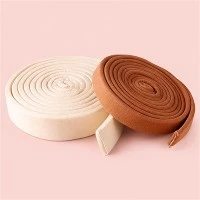

When it comes to orthopedic bandages, one of the most crucial distinctions is between light - compression and heavy - compression bandages. As an orthopedic bandage supplier, I've witnessed firsthand how these different types of bandages serve distinct purposes in the medical field.
Understanding Light - Compression Orthopedic Bandages
Light - compression orthopedic bandages are designed to provide gentle support to various parts of the body, mostly in cases where swelling reduction and minor injury support are required. These bandages are often made of soft, breathable materials that are comfortable to wear for extended periods. The level of compression they offer is relatively low, typically ranging from 10 - 20 mmHg.
The main advantage of light - compression bandages lies in their versatility. They can be used for a variety of minor injuries such as sprained ankles, mild muscle strains, or even for post - operative swelling management in less severe cases. For example, if a patient has twisted their ankle during a casual sports activity, a light - compression bandage can be wrapped around the affected area. It helps to control the swelling by applying a gentle pressure that encourages fluid to flow away from the injury site, while at the same time providing enough support to keep the joint stable during normal movement.
Another benefit is the skin - friendliness of these bandages. Due to the low compression force and use of soft materials, they are less likely to cause skin irritation or discomfort. This makes them suitable for patients with sensitive skin, including the elderly and children. Additionally, light - compression bandages are often easy to apply and can be adjusted by the patient themselves if necessary, making them a convenient option for home use.
There are several types of light - compression bandages available in the market. Elastic wraps are a common choice. They are stretchable and can conform to the shape of the body part easily. Gauze bandages with mild elastic properties also fall into the light - compression category. Some light - compression bandages are even medicated with anti - inflammatory agents, providing an added layer of treatment to the affected area.
Characteristics of Heavy - Compression Orthopedic Bandages
On the other hand, heavy - compression orthopedic bandages are used in more serious medical situations. These bandages are designed to apply a significant amount of pressure, usually ranging from 30 - 60 mmHg, depending on the specific medical need. The high - level compression helps to manage severe swelling, support broken bones during the healing process, and prevent the formation of deep - vein thrombosis (DVT) in some cases.
For instance, when a patient has suffered a more severe fracture, heavy - compression bandages can be used in combination with other immobilization devices such as Plaster of Paris Bandage or Fibreglass Cast Bandage. The compression provided by the bandage helps to hold the bones in the correct position, reducing the risk of misalignment during the initial stages of healing.
In cases of severe swelling, such as lymphedema, heavy - compression bandages play a vital role. They work by squeezing the affected tissues, forcing the excess fluid to move through the lymphatic system more effectively. This can significantly reduce the size and discomfort associated with the swelling over time.
However, heavy - compression bandages also come with some challenges. They require more careful application and monitoring compared to light - compression bandages. Incorrect application can lead to problems such as impaired blood circulation, skin breakdown, or nerve damage. Therefore, they are usually applied by trained medical professionals, like orthopedic surgeons or physical therapists.


Material and Design Differences
The materials used for light - compression and heavy - compression orthopedic bandages are also quite different. Light - compression bandages are often made from materials like cotton, polyester, or a combination of both. These materials are soft, breathable, and allow for good air circulation around the skin. This is essential to prevent moisture buildup, which can lead to skin problems if the bandage is worn for a long time.
In contrast, heavy - compression bandages may incorporate more rigid materials such as canvas or reinforced elastic fibers. These materials are capable of withstanding the high - level pressure required to achieve the desired compression. Some heavy - compression bandages are also designed with multiple layers to distribute the pressure evenly across the affected area.
Choosing the Right Bandage
Selecting the appropriate bandage between light - compression and heavy - compression depends on several factors. The severity of the injury is the primary consideration. Minor injuries, such as first - or second - degree sprains, usually only require light - compression bandages. In these cases, the goal is to reduce swelling and provide some support, not to immobilize the joint completely.
For more severe injuries, like fractures or significant muscle tears, heavy - compression bandages may be necessary. The doctor will assess the nature of the injury and determine whether the patient needs the support and compression provided by a heavy - compression bandage.
Patient factors also play a role in the decision - making process. As mentioned earlier, patients with sensitive skin may be better suited for light - compression bandages. Additionally, the patient's age, overall health, and activity level should be taken into account. For example, an active young athlete may need a more supportive bandage for a sprained ankle if they plan to return to sports soon, while an elderly patient may need a gentle bandage to manage a minor injury without causing too much discomfort.
Support Products and Accessories
In addition to light - compression and heavy - compression bandages, there are also related products that can enhance their effectiveness. Sterile Pack Orthopedic Padding is one such product. This padding can be placed between the skin and the bandage to provide an extra layer of comfort and protection. It helps to prevent skin irritation and can also absorb any moisture that may accumulate under the bandage.
For heavy - compression bandages, special fasteners and clips may be used to ensure that the bandage stays in place and maintains the correct level of compression. These accessories are designed to be easy to use for medical professionals while providing a secure fit for the patient.
Conclusion and Invitation to Contact
In conclusion, the difference between light - compression and heavy - compression orthopedic bandages is significant, and understanding these differences is crucial for proper injury management. Whether you are a medical professional looking to stock up on high - quality orthopedic bandages or a patient in need of the right support for your injury, we are here to help.
As a reliable orthopedic bandage supplier, we offer a wide range of light - compression and heavy - compression bandages, as well as related products and accessories. Our products are made from the highest - quality materials and are designed to meet the strictest medical standards.
If you are interested in learning more about our orthopedic bandages or would like to discuss your specific purchasing needs, please feel free to contact us. We are committed to providing you with the best products and services to help you achieve the best possible outcomes in orthopedic care.
References
- American Academy of Orthopaedic Surgeons. (2023). Orthopedic Bandage Guidelines.
- Journal of Orthopedic Research. (2022). Comparison of Light and Heavy Compression Bandages in Injury Management.
- World Health Organization. (2021). Best Practices for Orthopedic Bandage Use.