


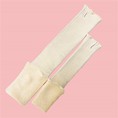

Applying a plaster on a curved surface can be a challenging task, but with the right techniques and products, it can be done effectively. As a leading supplier of tapes and plasters, we understand the importance of finding the best way to apply these products on various surfaces, including curved ones. In this blog post, we will explore the best practices for applying a plaster on a curved surface, taking into account the unique characteristics of such surfaces and the properties of different types of plasters.
Understanding the Challenges of Curved Surfaces
Curved surfaces present several challenges when it comes to applying plasters. Unlike flat surfaces, curved surfaces have a varying radius of curvature, which means that the plaster needs to conform to the shape of the surface without wrinkling or lifting. Additionally, curved surfaces may have irregularities or contours that can make it difficult to achieve a smooth and even application.


Another challenge is the tension and stress that the plaster experiences when applied to a curved surface. As the plaster is stretched to fit the curve, it can create tension that may cause it to peel or lift over time. Therefore, it is important to choose a plaster that has good flexibility and adhesion to ensure a long-lasting application.
Choosing the Right Plaster
The first step in applying a plaster on a curved surface is to choose the right product. There are several factors to consider when selecting a plaster, including the type of surface, the level of flexibility required, and the intended use of the plaster.
- Flexibility: For curved surfaces, it is essential to choose a plaster that is flexible enough to conform to the shape of the surface without cracking or breaking. Look for plasters that are made from materials such as rubber, silicone, or fabric, as these materials tend to be more flexible than others.
- Adhesion: The plaster should have strong adhesion to ensure that it stays in place on the curved surface. Consider plasters that have a high-tack adhesive or are designed specifically for use on curved surfaces.
- Breathability: If the plaster will be applied to a skin surface, it is important to choose a breathable product to prevent skin irritation and moisture buildup. Look for plasters that have a porous or perforated design to allow air to circulate.
- Water Resistance: If the plaster will be exposed to water or moisture, choose a water-resistant product to ensure that it stays in place and maintains its effectiveness.
Some of the plasters that we recommend for curved surfaces include our Colored Hockey Tape and Anti Snoring Nose Strips For Breathing. These products are designed to be flexible, adhesive, and breathable, making them ideal for use on curved surfaces.
Preparing the Surface
Before applying the plaster, it is important to prepare the surface to ensure a smooth and even application. Here are some steps to follow:
- Clean the Surface: Use a mild soap and water to clean the surface and remove any dirt, oil, or debris. Dry the surface thoroughly before applying the plaster.
- Sand the Surface (if necessary): If the surface is rough or uneven, you may need to sand it to create a smooth and even surface for the plaster to adhere to. Use a fine-grit sandpaper and sand in the direction of the curve to avoid creating any scratches or unevenness.
- Apply a Primer (if necessary): In some cases, it may be necessary to apply a primer to the surface to improve the adhesion of the plaster. Follow the manufacturer's instructions for applying the primer and allow it to dry completely before applying the plaster.
Applying the Plaster
Once the surface is prepared, it is time to apply the plaster. Here are some tips to help you achieve a smooth and even application:
- Cut the Plaster to Size: Measure the length and width of the curved surface and cut the plaster to the appropriate size. Leave a little extra length and width to allow for stretching and trimming.
- Start at One End: Begin applying the plaster at one end of the curved surface and gradually work your way towards the other end. Use your fingers or a roller to smooth out any wrinkles or bubbles as you go.
- Stretch the Plaster: As you apply the plaster, stretch it slightly to conform to the shape of the curve. Be careful not to stretch it too much, as this can cause the plaster to tear or lose its adhesion.
- Smooth Out the Edges: Once the plaster is applied, use your fingers or a roller to smooth out the edges and ensure that they are firmly adhered to the surface. Trim any excess plaster with a pair of scissors or a utility knife.
Finishing Touches
After applying the plaster, there are a few finishing touches that you can do to ensure a professional-looking result:
- Apply Pressure: Use a roller or a squeegee to apply pressure to the plaster and ensure that it is firmly adhered to the surface. This will help to remove any air bubbles or wrinkles and improve the overall appearance of the application.
- Trim the Edges: Use a pair of scissors or a utility knife to trim the edges of the plaster flush with the surface. This will give the application a clean and professional look.
- Allow the Plaster to Dry: Depending on the type of plaster and the manufacturer's instructions, it may take several hours or even days for the plaster to dry completely. Avoid touching or disturbing the plaster until it is fully dry.
Conclusion
Applying a plaster on a curved surface can be a challenging task, but with the right techniques and products, it can be done effectively. By choosing the right plaster, preparing the surface properly, and following the steps outlined in this blog post, you can achieve a smooth and even application that will last for a long time.
If you have any questions or need further assistance with applying a plaster on a curved surface, please do not hesitate to contact us. We are a leading supplier of tapes and plasters, and we are committed to providing our customers with the highest quality products and services. Whether you are a professional contractor or a DIY enthusiast, we have the products and expertise to help you get the job done right.
Contact us today to learn more about our products and how we can help you with your next project. We look forward to hearing from you!
References
- "How to Apply Tape on Curved Surfaces." Tape University, https://www.tapeuniversity.com/how-to-apply-tape-on-curved-surfaces/.
- "Choosing the Right Tape for Your Application." 3M, https://www.3m.com/3M/en_US/company-us/company-information/innovation/choosing-the-right-tape/.
- "Tips for Applying Medical Tape." Healthline, https://www.healthline.com/health/tips-for-applying-medical-tape.