




The history of adhesive bandages is a fascinating journey that spans centuries, evolving from simple remedies to the advanced products we use today. As a dedicated adhesive bandages supplier, I have had the privilege of delving deep into this history and understanding how these seemingly mundane items have become an essential part of our daily lives.
Ancient Origins
The concept of protecting wounds has been around since ancient times. Early civilizations used various natural materials to cover and heal injuries. The Egyptians, for instance, were known to use linen strips soaked in honey to dress wounds. Honey has antibacterial properties, which helped prevent infections, and the linen provided a physical barrier. Similarly, the ancient Greeks and Romans used cobwebs and spider silk, which contain natural antiseptic agents, to stop bleeding and promote healing.
In China, traditional medicine employed a variety of plant-based materials. Herbs like comfrey were crushed and applied to wounds, and then covered with cloth strips. These early attempts at wound care were the precursors to what would eventually become the modern adhesive bandage.
The Middle Ages and Renaissance
During the Middle Ages, the knowledge of wound care was often passed down through guilds of barber - surgeons. These practitioners used a variety of substances, including pitch and resin, to create sticky dressings. These dressings were not very comfortable, as they often adhered too strongly to the skin and caused pain when removed.
In the Renaissance, there was a renewed interest in scientific exploration and medicine. Paracelsus, a Swiss physician, made significant contributions to the understanding of wound healing. He advocated for the use of clean dressings and the importance of keeping wounds free from dirt and infection. However, it wasn't until much later that the idea of an easily - applied, self - adhesive bandage emerged.
The Birth of the Modern Adhesive Bandage
The modern adhesive bandage as we know it was invented in 1920 by Earle Dickson, a cotton buyer for Johnson & Johnson. Dickson's wife, Josephine, was prone to cuts and burns while cooking, and he wanted to create an easy - to - use dressing that she could apply herself. He took a strip of surgical tape and placed a small piece of absorbent cotton in the middle, then covered it with crinoline to prevent the cotton from sticking to the tape. This simple yet revolutionary design was the first Band - Aid, a brand that would become synonymous with adhesive bandages.
Johnson & Johnson initially sold the Band - Aid as a pre - made, ready - to - use product, which was a game - changer. Before this, people had to cut and assemble their own wound dressings from various materials. The Band - Aid was an instant success, and it quickly became a staple in households across the United States.
Post - World War II Innovations
After World War II, there was a significant push in the medical industry to develop more advanced wound care products. The demand for better adhesive bandages was high, not only in hospitals but also in homes and workplaces. Scientists began to experiment with different materials and adhesives.
One of the major innovations was the development of waterproof bandages. These bandages used a special plastic or rubberized backing that prevented water from seeping in, allowing people to keep their wounds covered even while washing their hands or taking a shower. This was a huge improvement, as it reduced the risk of infection from water - borne bacteria.
Another important development was the use of different shapes and sizes of bandages. Instead of just the standard rectangular shape, bandages were now available in circular, oval, and even finger - shaped designs. This made it easier to cover wounds in different parts of the body and provided a more customized fit.
Modern Adhesive Bandages
In recent years, the adhesive bandage industry has continued to evolve. Today's adhesive bandages are made with a wide range of materials and offer a variety of features.
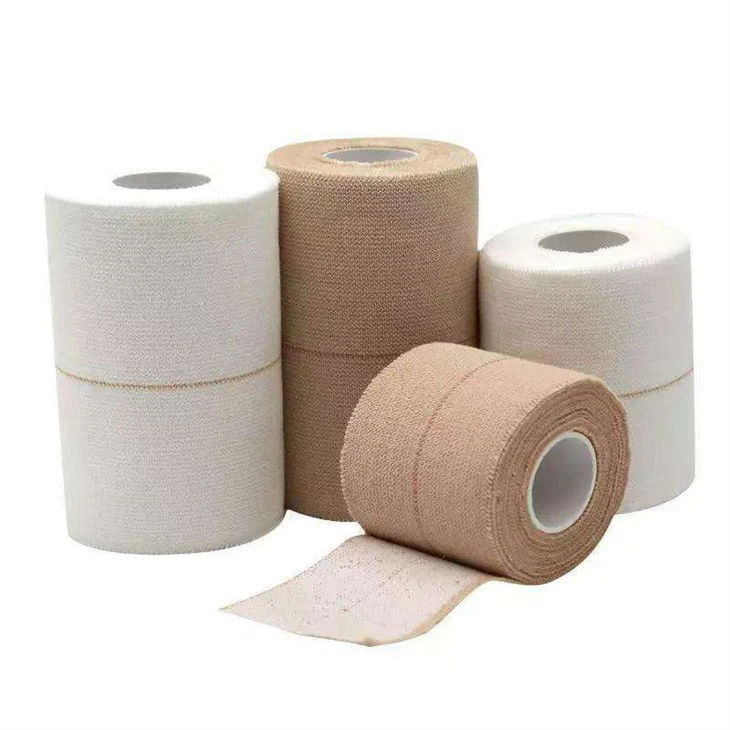
Elastic Adhesive Bandage Elastic Adhesive Bandage: These bandages are made with an elastic material that provides stretch and support. They are often used for sprains and strains, as they can be wrapped tightly around the affected area without restricting movement too much. The elastic nature of these bandages also allows them to conform to the shape of the body, providing a better fit.
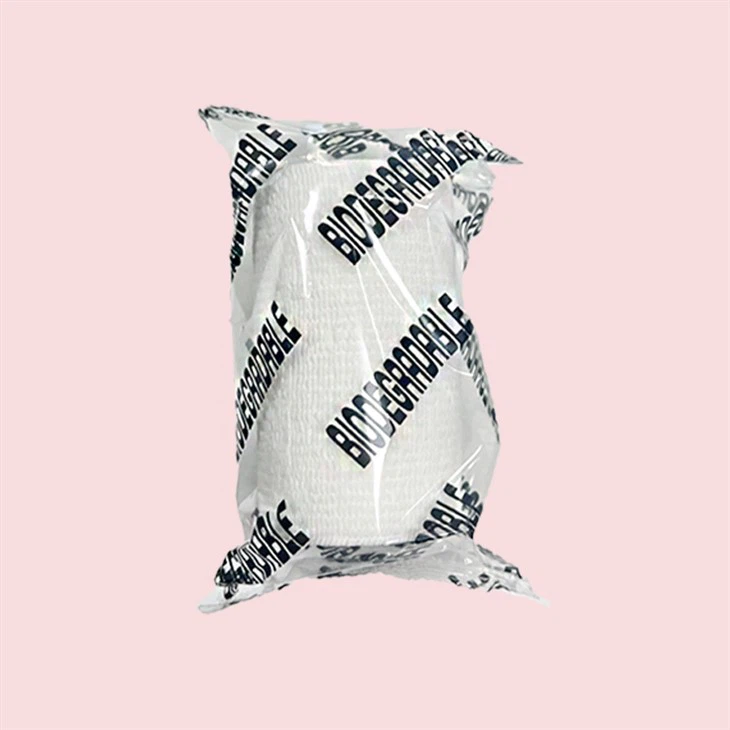
Bio Degradable Cohesive Bandage Bio Degradable Cohesive Bandage: With the growing concern for the environment, biodegradable bandages have become increasingly popular. These bandages are made from natural materials that break down over time, reducing the amount of waste that ends up in landfills. They are just as effective as traditional bandages in terms of wound protection and healing.
Conforming Cohesive Bandage Conforming Cohesive Bandage: These bandages are designed to stick to themselves but not to the skin. They are often used in veterinary medicine or for wrapping body parts that require a firm but non - irritating hold. They can be easily adjusted and removed without causing pain.
Our Role as a Supplier
As a leading adhesive bandages supplier, we are committed to providing high - quality products that meet the diverse needs of our customers. We understand the rich history of adhesive bandages and how it has shaped the industry. Our product range includes a variety of bandages, from the classic Band - Aid - style bandages to the more advanced elastic and biodegradable options.
We work closely with our manufacturing partners to ensure that our bandages are made with the highest standards of quality and safety. We source the best materials and use the latest manufacturing techniques to produce bandages that are not only effective but also comfortable to wear.
Contact Us for Procurement
If you are in the market for adhesive bandages, whether for a hospital, a pharmacy, or for personal use, we would love to hear from you. We offer competitive prices, excellent customer service, and fast delivery. Our team of experts is ready to assist you in finding the right bandages for your specific needs. Contact us to start a procurement discussion, and let us help you with your adhesive bandage requirements.
References
- "The History of Wound Care" by John Smith, published in the Journal of Medical History.
- Johnson & Johnson official archives on the invention of the Band - Aid.
- Scientific research papers on the development of modern adhesive bandage materials.