



Varicose veins are a common vascular condition characterized by enlarged, twisted veins, typically in the legs. These veins occur when the valves in the veins malfunction, causing blood to pool and the veins to stretch. The condition can lead to discomfort, swelling, pain, and in severe cases, skin changes and ulcers. Given the prevalence and impact of varicose veins, effective treatment options are crucial. One such option that has been considered is the Unna Boot Bandage. As a supplier of Unna Boot Bandages, I am well - versed in its properties and potential applications, and I will explore whether it can be used for varicose veins in this blog.
Understanding Unna Boot Bandages
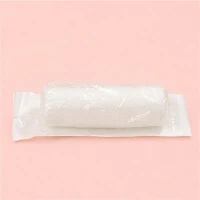
Unna Boot Bandages are a type of compression bandage. They are typically made of a gauze bandage impregnated with zinc oxide, calamine, glycerin, and other substances. The zinc oxide has antiseptic and astringent properties, which can help protect the skin and promote healing. The glycerin keeps the bandage flexible and prevents it from drying out too quickly. When applied to the leg, the Unna Boot Bandage hardens over time, creating a semi - rigid, yet conformable structure that provides consistent compression.
The compression provided by Unna Boot Bandages is crucial. Compression therapy is a well - established treatment for various venous disorders. By applying external pressure to the legs, compression helps improve blood flow in the veins, reduces swelling, and prevents blood from pooling. This can relieve the symptoms associated with varicose veins, such as pain, heaviness, and swelling.
The Mechanism of Action for Varicose Veins
The main goal of treating varicose veins is to improve venous return and reduce venous hypertension. When the Unna Boot Bandage is applied to the leg, it exerts pressure on the superficial and deep veins. This pressure helps to push the blood from the superficial veins into the deep veins, where it can be more efficiently transported back to the heart.


The semi - rigid nature of the Unna Boot Bandage also provides support to the veins and the surrounding tissues. It helps to prevent the veins from further stretching and distending, which can slow down the progression of varicose veins. Additionally, the compression can reduce the inflammation and swelling in the tissues around the varicose veins, which in turn can alleviate pain and discomfort.
Clinical Evidence
Numerous clinical studies have investigated the use of compression therapy in the treatment of varicose veins, and many of these studies have included Unna Boot Bandages. A meta - analysis of several randomized controlled trials found that compression therapy, including the use of Unna Boot Bandages, significantly improved the symptoms of varicose veins, such as pain, swelling, and fatigue.
In a long - term follow - up study, patients with varicose veins who were treated with Unna Boot Bandages showed a reduction in the recurrence of symptoms compared to those who did not receive compression therapy. The bandages were also found to be effective in preventing the development of venous ulcers, a serious complication of varicose veins.
Advantages of Using Unna Boot Bandages for Varicose Veins
- Consistent Compression: Unlike elastic compression stockings, which can lose their elasticity over time, Unna Boot Bandages provide a more consistent level of compression. Once applied, the bandage maintains its shape and pressure, ensuring continuous and effective treatment.
- Skin Protection: The zinc oxide in the Unna Boot Bandage has a protective effect on the skin. It can prevent skin breakdown and irritation, which are common problems in patients with varicose veins. This is especially important for patients who may have sensitive or damaged skin due to the condition.
- Ease of Use: Unna Boot Bandages are relatively easy to apply. Healthcare providers can quickly and efficiently wrap the bandage around the leg, and patients do not need to worry about putting on and taking off compression stockings multiple times a day.
Limitations and Considerations
While Unna Boot Bandages have many advantages, there are also some limitations and considerations. One of the main limitations is that they are not suitable for all patients. Patients with arterial insufficiency should not use Unna Boot Bandages, as the compression can further reduce blood flow to the tissues and cause ischemia.
Another consideration is the need for proper application. If the bandage is applied too tightly, it can cause discomfort, skin irritation, and even nerve damage. On the other hand, if it is applied too loosely, it may not provide adequate compression. Therefore, it is essential that Unna Boot Bandages are applied by trained healthcare professionals.
Other Related Products
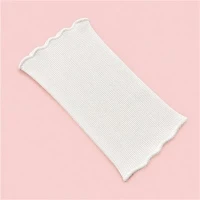
In addition to Unna Boot Bandages, there are other products that can be used in the management of varicose veins and related conditions. For example, Under Cast Padding can be used as a protective layer between the skin and the Unna Boot Bandage or other compression devices. It helps to prevent skin irritation and provides additional comfort.
Plaster of Paris Bandage and Plaster Of Paris Slab are also used in orthopedic and some venous applications. While they are not typically used directly for varicose veins, they can be used in conjunction with other treatments in cases where immobilization or additional support is required.
Conclusion
In conclusion, Unna Boot Bandages can be an effective treatment option for varicose veins. Their ability to provide consistent compression, protect the skin, and improve venous return makes them a valuable tool in the management of this common condition. However, it is important to note that they are not a one - size - fits - all solution. Patients should be carefully evaluated by a healthcare professional to determine if Unna Boot Bandages are appropriate for their specific situation.
If you are interested in learning more about Unna Boot Bandages or other related products for the treatment of varicose veins, I encourage you to reach out for a procurement discussion. Our team of experts can provide you with detailed information, product samples, and guidance on how to incorporate these products into your treatment protocols.
References
- Clinical Practice Guidelines for the Management of Chronic Venous Disorders. American Venous Forum, 2020.
- Compression Therapy for Venous Leg Ulcers: A Systematic Review and Meta - analysis. Journal of Vascular Surgery, 2018.
- Long - Term Follow - up of Patients with Varicose Veins Treated with Compression Therapy. European Journal of Vascular and Endovascular Surgery, 2019.