



Hey there! If you've ever dealt with an Unna Boot, you know how game-changing it is for healing things like venous ulcers, stasis dermatitis, or even post-surgical lower leg issues. As someone who's been part of the team making Unna Boot Bandage (you can check our full line right here: https://www.chinabandages.com/bandages/orthopedic-bandage/unna-boot-bandage.html) for years, I've heard every single question-from "How do I put this on?" to my most frequent: "Why is my skin irritated under the boot, and what do I do about it?"
Unna Boots are basically medicated, stretchy bandages that stay on for days (usually 3 to 7, depending on your doc's orders), with zinc oxide to soothe and protect. The good? They cut down on clinic visits, work while you sleep, and are way less bulky than old plaster casts. The bad? Skin irritation is super common, even when everything's applied right. It's not just an annoyance-it can slow healing, make you miserable, and even lead to bigger issues like infection. Today, I'm breaking down why irritation happens, how to stop it before it starts, and what to do if you're already scratching like crazy.
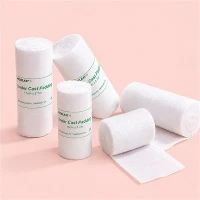
Let's start with the basics: why does skin under an Unna Boot get irritated? The main culprits are usually things that go wrong during application or how the boot sits against your skin long-term. Here's the tea, no jargon: First, if the Under Cast Padding (yes, that's the stuff you put directly on your skin before wrapping-we carry that too: /bandages/orthopedic-bandage/under-cast-padding.html) is too thin, too tight, or not stretched evenly, it rubs raw. Unna Boots are self-adherent, so if the underneath padding isn't soft and snug but not squeezing, friction is a no-brainer. Second, moisture. Sweat, minor wound drainage, or even bathing (wait-most docs say no getting the boot wet!) can get trapped under the bandage, turning it into a breeding ground for irritation. Third, allergic reactions. Some people are sensitive to the zinc oxide in Unna Boots, or even the adhesives in the padding or the boot itself. Fourth, uneven wrapping. If the person applying it wraps too tight in one spot or leaves gaps, parts of the boot will press hard on your skin for days. And finally, if you wear it too long beyond your doctor's order-those medicated properties are meant to work for a set time, not weeks on end.
Now, the part you actually care about: handling irritation when it hits. Let's split this into two parts-what to do if you notice irritation early, and when it's time to call your doc. First, early warning signs: redness, itching that's mild (not unbearable), a little warmth in one spot, or a tiny rash. At this stage, you can usually fix it at home (but always check with your care team first!). Step 1: Resist the urge to scratch. I know it's hard, but scratching breaks the skin and leads to infection faster. Use a cold compress (a clean cloth dipped in cool water, not ice direct) on the area for 10 minutes at a time-this takes the edge off itching. Step 2: If the boot is loose in a spot or causing a rub, don't yank it off (that could tear skin!). If it's within the first 2-3 days, some docs say you can carefully peel back the edge of the boot a tiny bit (only if you know what you're doing-seriously, check with your nurse first) to add a little extra Under Cast Padding in the tight spot. Wait, why Under Cast Padding again? It's soft, breathable, and creates a buffer between the rigid (but stretchy) Unna Boot and your skin-way better than using cotton or paper towels, which can get moldy if they get damp. Step 3: Keep the area dry.
No swimming, no long showers-even a quick soak can seep under the edges. If you sweat a lot (hello, summer!), use a hair dryer on the coolest setting to blow air into the gaps around the boot, or use a fan nearby. We always remind our customers that moisture is public enemy number one for bandage irritation.
But what if the irritation is worse? Things like blisters, oozing, severe itching that doesn't go away with cold compresses, pain, or pus? That's a sign it's not something you can handle at home. It might mean you're having an allergic reaction, or the boot is too tight and cutting off circulation, or there's an infection. At that point, call your wound care nurse or doctor immediately-they'll take off the Unna Boot, clean the area, and figure out the next step. Maybe they'll switch you to a different bandage, like a Fibreglass Cast Bandage (/bandages/orthopedic-bandage/fibreglass-cast-bandage.html) if plaster isn't your thing, or even a Triangular Sling Bandage (/bandages/orthopedic-bandage/triangular-sling-bandage.html) if it's a smaller area that needs less long-term coverage.
Now, let's talk prevention-because the best way to handle irritation is to stop it before it starts. This is where being picky about who applies your Unna Boot matters. Make sure whoever's wrapping you is trained in wound care, not just casting. They should use enough Under Cast Padding-two layers, if needed, especially over bony areas (like your ankles, shins, where rubbing is worst). The padding shouldn't be stretched so tight it cuts off blood flow, but also not loose enough to bunch up. When they wrap the Unna Boot, it should be snug, but you should still be able to wiggle your toes (if it's a lower leg boot) or feel like it's not constricting. Also, tell them about any allergies you have-if you're sensitive to zinc, they can use a zinc-free Unna Boot instead. And follow the wear time exactly! Most docs say 3-5 days, max-don't keep it on a day longer "just to save a trip." We've seen so many people extend wear time and end up with irritation as a result.
Another pro tip: If you notice even a tiny bit of itching right after the boot is applied, mention it to your nurse that day, not after 2 days of scratching. Catching it early is way easier to fix than dealing with a full-blown rash. Also, don't use any lotions, powders, or creams on the area before the boot is applied-they create a barrier between the padding and your skin, making the Unna Boot stick in a spot it shouldn't, leading to friction. I know it's tempting to moisturize dry skin, but save that for when the boot is off.
Wait, let's get real for a second. I've seen customers panic when they first notice a little redness, thinking their healing is ruined. But 90% of the time, that mild irritation is just a side effect of a bandage sitting on your skin for days, not a sign something's wrong with your wound. That said, it's never something to ignore-because if left unchecked, even mild itching can turn into a bigger problem. The key is to stay in touch with your care team, don't self-treat without checking, and follow those prevention steps we talked about.
As someone in the bandage game, I'll also say this: not all Unna Boots are created equal. The one we make is designed to be breathable, with a zinc oxide that's gentle on most skin types, but we always say everyone's skin is different. If you've used our Unna Boot Bandage and had irritation, don't hesitate to reach out to our team-we're here to help you figure out the right product for your needs, whether that's switching to a different padding, a different type of bandage, or just tips on application. We also stock all the other stuff you might need, like Under Cast Padding, Fibreglass Cast Bandage, Plaster of Paris Bandage (/bandages/orthopedic-bandage/plaster-of-paris-bandage.html), and Triangular Sling Bandage, so you can get everything you need in one place.


Let's wrap this up (pun intended): Skin irritation under an Unna Boot is super common, but it's not something you have to live with. Catch early signs, follow your care team's instructions, use the right under padding, and don't be afraid to ask questions. At the end of the day, the Unna Boot is there to help you heal, not hurt you. If you're dealing with ongoing issues or need to restock your bandage supplies, our team is here to help-we can walk you through application tips, answer questions about products, or help you find the right solution for your skin type. Don't suffer through irritation alone; we're just a message away.
References
- American Academy of Dermatology. (2022). Tips for caring for skin under orthopedic bandages. Retrieved from aad.org
- Wound Care Society. (2021). Preventing and managing bandage-related skin irritation in lower leg wounds. Journal of Wound Care Practice, 12(3), 45-52.
- Orthopedic Bandage Manufacturers Association. (2023). Best practices for Unna Boot application and wear time. Retrieved from obma.org
- National Pressure Injury Advisory Panel. (2022). Risk factors for skin breakdown under external immobilization devices. Retrieved from npiap.org