


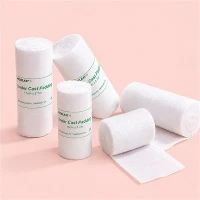

If you've ever worked with cotton stockinette-whether for medical applications, apparel manufacturing, or crafting-you know that cutting it can make or break your project. I've spent over seven years as a cotton stockinette supplier, working with everything from thin, stretchy rolls for wound care to heavier, more structured stockinette for prosthetic liners and undergarments. In that time, I've heard every frustration: edges that fray within minutes, pieces that warp when sewn, measurements that are off by half an inch even when you double-checked. The best way to cut cotton stockinette isn't just about grabbing scissors and snipping. It's about understanding the material, choosing the right tools, and matching your method to what you're making. Let me walk you through what I've learned, plus some insights from the teams I supply who nail every cut.
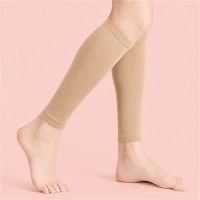
First, let's ground this in what cotton stockinette actually is, because that changes everything. Unlike woven cotton fabric, stockinette is a tubular, knit material-think of the stretchy underlayer of a compression shirt or the soft wrap a nurse uses to cover a wound before applying a bandage. Its stretch, softness, and breathability make it ideal for medical products, which is why we supply a range of variations like [Medical Varicose Compression Stockings], designed specifically for supporting varicose veins, and [Tubinette Gauze Bandage], a lightweight option for post-injury protection. Even our [Bamboo Fabric Tubular Bandage], made with plant-based fibers, relies on the same core stockinette structure to stay gentle on skin. That tubular, knit construction means it doesn't have the rigid grain of a woven sheet-so cutting it straight takes a little more intent.
The first mistake I see new makers (and even some small manufacturers) make is using regular office scissors. Cotton stockinette's tightly knit fibers can tug when cut, leading to uneven edges that fray. I recommend investing in a pair of sharp fabric shears-never use these for paper or other non-fabric materials, as that dulls the blades. For thicker stockinette, like our [Mutton Cloth Stockinette Roll], which is sturdier and often used for tailoring or heavy-duty medical wrapping, pinking shears work wonders. The zig-zag cut they make doesn't just create a decorative edge; it prevents fraying, which is a huge plus if you're using the stockinette for projects that won't be hemmed right away. For precision cutting, especially when working with narrow strips (like for the [Head Net Bandage], used to secure dressings on hard-to-reach areas like the scalp), a rotary cutter paired with a self-healing cutting mat is my go-to. It glides through the knit evenly, so you don't get the pulled edges that come with scissor cutting on stretchy material.
Next, preparation is non-negotiable. Cotton stockinette can shift easily when laid flat, so you need to stabilize it before cutting. For small projects, pin the material to a flat surface-make sure the pins are perpendicular to the edge you're cutting, not parallel, because parallel pins can catch the knit and create snags. For larger rolls, like those we supply to apparel factories, we recommend pre-laying the stockinette and weighing the corners and edges with fabric weights or even unopened cans of soda. This eliminates the "sway" that makes a straight line impossible. Another trick many of our medical clients use is to mark the cut line with a washable fabric marker and then use a straightedge-like a metal ruler or a long wooden yardstick-to guide your cutter. This is especially important for tubular stockinette, where cutting a straight, even strip is key for compression garments or bandages.
Timing also matters. Cotton stockinette doesn't hold its shape well right out of the packaging. It's been rolled tightly for transport, so let it rest flat for at least 24 hours before cutting. That relaxes the tension in the knit, so it doesn't stretch or warp once you make your cut. I learned this the hard way early in my career: we sent a batch of stockinette to a small compression sock maker, and they cut it straight from the roll, only to find the pieces shrank an inch in width after being sewn. That cost them time and materials, so now we always advise our clients to let stockinette acclimate to their workspace first.

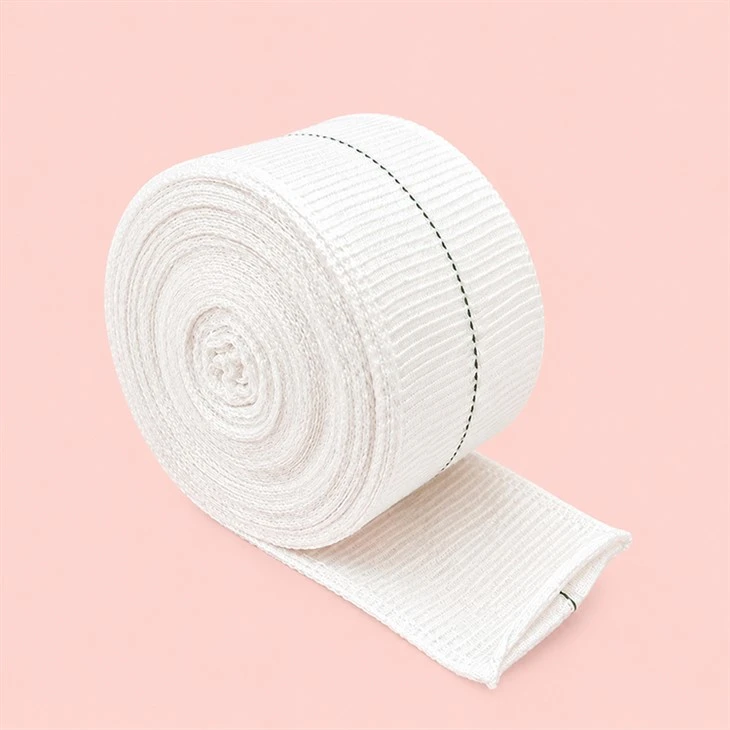
Once you have your tools and prep done, the cutting method depends on your project. If you're cutting a single, narrow strip-like for a head bandage-simple, sharp scissors and a straightedge work. If you're cutting multiple identical pieces (for a batch of medical gauze or apparel lining), layer 2-3 pieces at a time, not more. Too many layers mean the bottom ones shift, leading to uneven cuts. For thicker stockinette, like mutton cloth, limit layers to 1 because it's less stretchy but more prone to snagging.
Wait a second-what about fraying even with the right cut? For projects that require a clean edge without hemming, there's a simple fix: once you cut, gently pull the edge of the stockinette outward. The knit will separate slightly, and the loose threads will stay tucked in instead of unraveling. It's a trick I picked up from a veteran medical supply maker a few years ago, and it works every time. For even more security, you can run a bead of fabric glue along the cut edge, but that's only necessary for high-wear items like prosthetic liners.
Let's also talk about what not to do. Don't use fabric scissors on paper. Don't cut more layers than you can handle. Don't skip the acclimation step. And definitely don't use a rotary cutter without a self-healing mat-you'll ruin your table, and the blade will dull faster. We've seen clients come back with dull scissors that they used to cut cardboard, and it makes their stockinette cuts uneven, which leads to returns or wasted materials. That's why we often include a small tip sheet with our bulk stockinette orders, outlining these basics, because we care about our clients' success as much as our own.
At the end of the day, the best way to cut cotton stockinette is to work with the material, not against it. It's stretchy, soft, and designed to be flexible, so your cutting method should reflect that. Whether you're making medical compression products, crafting, or manufacturing apparel, sharp tools, proper preparation, and matching your cut to your project will save you time, money, and frustration.
If you're in the market for high-quality cotton stockinette for any application-whether you need the specialized medical varieties, bamboo fabric options, or heavy-duty mutton cloth rolls-we're here to help. We work with businesses large and small, from local wound care clinics to national apparel brands, and we can provide custom sizes or bulk orders to fit your needs. Reach out to our team to discuss your project, and we'll help you get the right stockinette for every step of your process.
References:
- The Textile Institute. (2021). Properties and Applications of Tubular Knit Fabrics. Textile Progress, 53(4), 289-321.
- American Red Cross. (2022). Medical Tubular Bandage Use and Cutting Guidelines. Red Cross Medical Supply Manual, 12th Edition.
- Occupational Safety and Health Administration (OSHA). (2020). Guidelines for Cutting Textiles in Manufacturing and Medical Industries. OSHA Workplace Safety Series.