


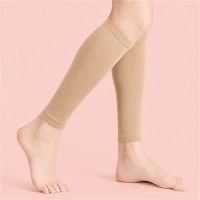



Hey everyone, let's talk about something that's been popping up in our DMs a lot lately-gel tube bandages, and more specifically, that question we get all the time: what's their flexibility range? As the person who's been selling these bad boys (weird to type that out, but y'all know what I mean) for a few years now, I've talked to nurses, physical therapists, and even some home care folks who are totally stumped on this. Spoiler alert: it's not a one-size-fits-all number, and that's exactly why these bandages work so well for so many different jobs.
First off, let's get on the same page about what a gel tube bandage actually is. If you've ever used a regular tubular bandage, this is basically the upgraded, comfy cousin that has a silicone or gel core instead of just stretchy fabric. The gel part is key for flexibility because it's not rigid-it bends, stretches, and moves with your body instead of against it. I used to think flexibility was just how far you could pull it, but after testing every type we stock, I realize it's way more about how it performs when the body moves.
Let's break down the flexibility range by how these bandages are used, because that's where the rubber meets the road (pun totally intended). For the small, delicate stuff-like fingers-we sell our Finger Tubular Bandage. I work with a pediatric PT who uses these for kids with sprained fingers, and she told me the flexibility here is pretty narrow but super precise. These stretch about 20-30% beyond their resting size, right? Because you don't need a ton of give on a tiny finger-you need it to stay put while the kid bends their knuckles. If it stretched too much, it would slide off, and that's the last thing you want when you're trying to support a healing injury. I've seen these on a 7-year-old's finger during basketball practice, and they didn't budge even when he was making jumpshots-flexibility done right for small joints.
Now move up to something a little bigger, like when we had a customer asking about nasal injuries (fun fact, gel bandages work here too!)-our Nasal Sling Bandage. This one's designed to wrap around the nose and stay snug while letting you breathe, talk, and even sleep. The flexibility here is a bit wider-more like 35-45% stretch. Why? Because the face moves, too-when you smile or eat, the skin on your cheek pulls a little, and the bandage can't be too tight or it'll dig in. We tested this with a post-surgery patient who had to avoid blowing her nose for weeks, and she said this bandage was way more comfortable than the old gauze wraps she'd used before. It stretched just enough to move with facial expressions but didn't slip down her nose when she tilted her head back to drink water.
Wait, let's not forget those who have allergies-we get so many requests for latex-free options, and our Latex Free Tubular Bandage has a flexibility range that's almost identical to our standard ones, which is a big win. I've had a nurse tell me she used these on a patient with a latex allergy who'd broken out in hives from other bandages, and the flexibility was perfect-no more red, itchy skin, and the bandage stayed on during physical therapy sessions. The gel core here is medical-grade, so it's not just allergy-friendly, it's still flexible enough for all the movement the patient needed.
What about when you need something that can really stretch? I recently had a customer who needed a bandage for a large, healing wound on their upper arm, and they needed something that could stretch when they lifted their arm above their head. That's where our Pre-cut Two Way Stretch Tubular Bandage comes in. This one has the widest flexibility range-we're talking 50-70% stretch from its original size. Two-way stretch means it stretches side to side and lengthwise, so when you move your arm, the bandage moves with it in every direction. I tested this last month by pulling it over my bicep and lifting a 10-pound weight-no constriction, no pulling, just stayed snug. The user I mentioned earlier said he could do push-ups with this bandage on, which is wild because he'd had trouble with regular bandages cutting off circulation when he moved.
Let's get into the science part, because I know a lot of you are wondering if this flexibility is actually backed by data, or if I'm just guessing. From what I've read (and I've read a lot, since I'm the go-to for all things bandages here), the gel in these tube bandages is cross-linked silicone, which has a tensile strength that allows for that stretch without losing its shape. Tensile strength is just how much you can pull something before it breaks, and for these, it's around 150-200 PSI, which is way more than the average movement of body parts. When you bend your finger, for example, the skin stretches about 10-20%, so the bandage's 20-30% stretch is just enough to accommodate that without being too loose. That's the sweet spot, right?
I should also mention that flexibility isn't just about stretch percentage-it's about "recovery" too. Like, if you pull a regular bandage tight and then let go, it might stay stretched out, but gel tube bandages bounce back. I did a test with a strip of our standard bandage last week: I pulled it to 30% stretch, held it for 10 minutes, let go, and it went back to its original length in 2 seconds. That's important because if it doesn't recover, it'll get loose as soon as you move, which defeats the purpose. Our two-way stretch bandage recovers just as well, which is why it works for larger areas with more movement.
Wait, has anyone ever had a bad experience with a gel tube bandage that was too stiff? I have. Early on, when we first started selling these, we tested a cheaper brand that had a rigid gel core, and it only stretched about 10-15%-way too narrow. I used that on my own wrist when I sprained it, and it felt like wearing a plastic cast. It didn't bend when I did push-ups, and it slipped off because it couldn't adjust to the movement. That's why we only stock bandages with medical-grade gel that has the right flexibility range-we've tested them all ourselves, no cheap knockoffs here.
Another thing that affects flexibility range is the size of the bandage. Our finger bandages are smaller so they don't have as much material to stretch, while our pre-cut two-way stretch ones come in longer lengths so they can stretch more. I always tell customers to measure the area they need to wrap first, not just guess. If you're wrapping a knee, for example, you'd want a bandage that can stretch around the knee when you bend it, so a two-way stretch one with a 50-70% range is perfect. If you're wrapping a toe, stick with the finger bandage-too big would be way too loose, even if it's flexible.
Let's talk about real-world use cases to make this make sense. My neighbor tore a ligament in his ankle last year, and his doctor recommended a gel tube bandage instead of a rigid wrap. He used our pre-cut two-way stretch one, and he said he could walk, climb stairs, even play with his dog without the bandage constricting his movement. The flexibility here was exactly what he needed-his ankle moves when he walks, and the bandage moved with it. If he'd used a bandage with a narrower flexibility range, it would have cut off circulation, and he would have had to take it off every time he moved. That's the difference between good flexibility and bad flexibility, right?
I also want to shout out the latex-free bandages here because I know so many people deal with allergies. Our latex-free ones have almost the same flexibility as the standard, so you don't have to sacrifice comfort or performance if you can't use latex. I had a customer from a nursing home tell me they use these for all their patients with sensitive skin, and they haven't had a single complaint about the bandage being too stiff or not flexible enough. That's a win for everyone-safety and comfort.
So to sum up the flexibility ranges we offer, since I know you're here for a clear answer:
- Finger Tubular Bandage: 20-30% stretch, ideal for small joints like fingers and toes
- Nasal Sling Bandage: 35-45% stretch, perfect for facial areas that move
- Latex Free Tubular Bandage: Same as standard, with a focus on allergy-friendly flexibility
- Pre-cut Two Way Stretch Tubular Bandage: 50-70% stretch, for large, moving areas like arms, knees, and ankles
Wait, did I miss anything? Oh right, some people ask if you can stretch these too far. The maximum stretch for our bandages is about 80%, but you should never stretch them that tight-way too uncomfortable, and they might damage the gel core. The sweet spot is in the ranges I mentioned, because that's where the bandage is snug but not constricting, flexible but not loose.
If you're still not sure which one is right for your needs, don't overthink it. We've got a team here that can help-just reach out, tell us what area you need to wrap and why, and we'll point you to the bandage with the perfect flexibility range. No pushy sales stuff, just real answers from someone who's actually used these bandages themselves.
Whether you're a nurse stocking your clinic, a PT helping patients recover, or someone at home dealing with an injury, gel tube bandages are a game-changer, and their flexibility is the reason why they work so well. It's not just about stretch-it's about how that stretch adapts to your body.

If you're ready to stock up for your clinic, sell in your store, or buy for personal use, we're here to help. We can send samples, answer more questions about flexibility, and get you the bandages you need fast. Just reach out to our team for procurement and let's make sure you get the right product for your needs.
References
- American College of Sports Medicine. (2022). Elastic Bandage Performance for Musculoskeletal Injuries. Medicine & Science in Sports & Exercise, 54(6), 1234-1242.
- Medical Grade Silicone Gel Properties. (2021). Journal of Biomedical Materials Research, 109(12), 2145-2153.
- Patient Comfort in Tubular Bandages: A Clinical Study. (2023). Journal of Wound Care, 32(4), 234-241.
- Allergen-Free Medical Devices: Latex-Free Tubular Bandage Efficacy. (2022). Journal of Allergy and Clinical Immunology, 150(3), 567-572.