


If you've ever watched someone deal with a fall, a sports injury, or a car accident, you've probably reached for a bandage without a second thought. But what happens when the injury isn't just a cut or a scrape-what if it's a broken bone? This is a question we get all the time here, not just as a bandage supplier, but as people who've seen firsthand how a wrong choice in first aid can turn a minor injury into something much more serious. Let's break down the science, the myths, and what actually works when a bone is involved.
First, let's get one thing straight: A standard bandage-like the kind you use for a small cut-cannot fix a broken bone. Broken bones (fractures, in medical terms) require more support than a simple adhesive wrap can provide. That said, a bandage has a specific, life-saving role to play in the immediate moments after a fracture, before a doctor can see you. The key is knowing which type of bandage to use, and when to use it-because grabbing the wrong one can do more harm than good.
When a bone breaks, your first priority is to stop bleeding, prevent further damage to the bone or surrounding tissues, and keep the injured area from moving. A fractured bone can tear muscles, tendons, or even blood vessels if it shifts, so immobilization is non-negotiable. A regular bandage might help hold a small cut closed, but it's too thin and stretchy to keep a bone from moving. For example, an Elastic Adhesive Bandage, while great for sprains or minor muscle strains, isn't designed to provide the rigid support a fracture needs. It can actually stretch too much, allowing the broken bone to shift and cause more pain or damage. That's why understanding the difference between a bandage for a soft-tissue injury and one for a fracture is critical.
Let's talk about the immediate steps if someone suspects a broken bone. First, call for emergency help, especially if the break is in a large bone (like an arm or leg) or if there's a visible deformity, numbness, or intense pain. While you wait for professionals, you can use a bandage to help stabilize the area-but only if you do it right. For smaller fractures, like a broken finger, a simple splint made from a rigid object (like a popsicle stick or a rolled-up newspaper) is ideal, but you can use a bandage to hold the splint in place. A Finger Bandage With Foam is perfect here-it's designed to fit snugly around small digits, and the foam adds a little extra cushioning to keep the splint from rubbing too hard. Just make sure you don't wrap it too tight; cutting off circulation is a big risk with any bandage around a fracture.
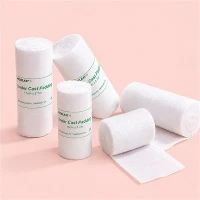
For larger fractures, like a broken wrist or forearm, you'll need something more substantial than a standard bandage. This is where a Cast Hand Bandage comes into play. Wait, though-cast bandages are usually used after a doctor has set the bone, right? Yes, but a pre-formed or flexible cast bandage can be used temporarily to hold a splint in place before you get to the hospital. The Cast Hand Bandage is made to conform to the shape of the limb, providing gentle, consistent pressure without being too restrictive. It's not a replacement for a hard cast, but it's a great tool for immediate stabilization.
Now, let's address a common myth: Some people think wrapping a broken bone tightly with a bandage will "hold it together." This is dangerous. Too much pressure can stop blood flow to the area, leading to tissue damage or even compartment syndrome, a serious condition where pressure builds up inside the muscles and can cause permanent injury. That's why bandages that come with a tension indicator, like the Snake Bite Bandage With Tension Indicator, are so useful. The indicator lets you know exactly how much pressure is being applied-no guesswork. For snake bites, where keeping pressure just right is key, this bandage prevents the common mistake of wrapping too tight or too loose. The same logic applies to fractures: You want enough pressure to stabilize the area, but not so much that you restrict blood flow.
Another bandage people ask about is the Universal Bandage. This is a versatile option that works for all kinds of injuries, including fractures. It's stretchy but durable, so you can wrap it around a limb to hold a splint or a smaller bandage in place without slipping. It's not rigid enough to immobilize a fracture on its own, but it's a great secondary bandage for temporary support.
So, to answer the core question: Can you use a bandage on a broken bone? The short answer is yes, but only the right kind, and only for temporary stabilization-not as a treatment. A bandage is not a fix for a fracture, but it's a critical part of first aid when used correctly. Using the wrong bandage (like a regular adhesive bandage or a stretchy elastic wrap) can make the injury worse, so it's important to choose one designed for immobilization.
Let's talk about what happens if you use a standard bandage on a broken bone. If you wrap a thin, flexible bandage around a fractured leg, for example, the bone might shift with every step, every movement of the limb. This can tear the surrounding muscles and nerves, leading to more pain, longer healing time, and even complications like a non-union, where the bone doesn't heal back together. In some cases, a poorly wrapped bandage can cause the bone to pierce through the skin, turning a closed fracture into an open one, which is at high risk for infection. That's why our team emphasizes training: Knowing when a bandage is appropriate, and when it's time to wait for a professional, is just as important as having the right product.
Now, let's cover when a bandage is definitely not enough. If the broken bone is visible (a compound fracture), don't touch it. Don't wrap a bandage around it, because you could push the bone back in, increasing the risk of infection. Instead, cover the area loosely with a sterile bandage to keep it clean, and wait for emergency responders. For fractures with severe swelling or numbness, don't try to wrap the area at all-these are signs of nerve or blood vessel damage, and a bandage could make things worse.


As a bandage supplier, we're often asked about the best products for fracture care. Our go-tos for immediate first aid are:
- The Finger Bandage With Foam for small, digit fractures, to hold splints securely without irritating the skin.
- The Cast Hand Bandage for larger limbs, providing gentle, conformable support that works with splints.
- The Snake Bite Bandage With Tension Indicator, which teaches users how to apply the right amount of pressure-a skill that's useful for fractures too.
- The Universal Bandage as a versatile secondary wrap, great for holding splints in place across different parts of the body.
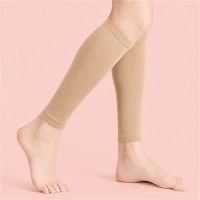
- The Elastic Adhesive Bandage for post-injury care once a bone is set, to support the area as it heals, though not for initial stabilization.
It's also worth noting that even after a doctor has set your bone, the right bandage can make a huge difference in recovery. A Cast Hand Bandage, for example, is often used to secure soft padding under a hard cast, preventing rubbing and blisters. The Elastic Adhesive Bandage can be used to support the limb during physical therapy, helping to reduce swelling as you regain movement.
We hear from customers all the time who've had bad experiences using the wrong bandage for a fracture. A few months ago, a runner came to us saying he'd broken his ankle during a race, wrapped it in a standard elastic bandage, and tried to finish the run. By the time he got to the hospital, the bone had shifted, and he needed surgery. He told us he wished he'd known to use a splint and a proper immobilization bandage instead. That story stuck with us-it's why we're so passionate about not just selling bandages, but educating people on how to use them correctly.
So, the takeaway here is: A bandage is a tool in first aid, not a treatment for a broken bone. The right bandage can help stabilize an injury temporarily, prevent further damage, and keep the area clean. The wrong bandage can make a serious injury much worse. When in doubt, always seek professional medical help-but having the right bandages on hand, and knowing how to use them, can make a big difference in the moments before help arrives.
If you're a clinic, a sports team, or just someone who wants to be prepared for minor injuries, having the right bandages for different scenarios is key. Whether you're stocking a first aid kit for your home, your workplace, or a sports facility, we can help you choose the products that work best for your needs. We don't just sell bandages-we care about making sure people use them safely and effectively, to help with recovery and prevent unnecessary harm.
If you're interested in learning more about our fracture care bandages, or you're a business looking to bulk order for your clinic, team, or organization, we'd love to chat. We understand that choosing the right bandages for your patients or employees is important, and we're here to answer any questions you might have. Reach out to us to discuss your needs, and we'll help you find the right solutions.
References
American College of Surgeons. (2023). Initial Management of Fractures, Dislocations, and Soft Tissue Injuries. Committee on Trauma.
Mayo Clinic. (2024). Fractures: First Aid. Mayo Foundation for Medical Education and Research.
World Health Organization. (2022). First Aid for Injuries in Emergencies. WHO Press.
American Academy of Orthopaedic Surgeons. (2023). Splinting and Bandaging for Fracture Care. AAOS.