



As a third-generation owner of a local Cast and Bandage supply company, I've spent the last 18 years walking alongside emergency room nurses, orthopedic surgeons, physical therapists, and even weekend hikers who've twisted an ankle or cracked a wrist. One question I hear more than any other, especially when a patient is debating between long-term immobilization and something more flexible, is this: Can a bandage be used instead of a cast?
At first glance, the idea makes total sense. Casts are bulky, hot, prone to trapping moisture, and impossible to adjust as swelling goes down or healing progresses. Bandages, by contrast, are lightweight, breathable, and can be removed for showering, gentle movement, or skin checks. But the answer isn't a simple yes or no. It depends entirely on the type of injury, the stage of healing, and the specific bandage product you're using-something I've learned from countless conversations with the clinicians who rely on our supplies every day.
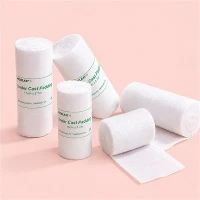
Let's start with the basics: What is a cast, anyway? Traditional fiberglass and plaster casts are rigid, designed to hold a broken bone (or fractured joint) completely still during the critical first 2 to 6 weeks of healing. They're built to withstand pressure, support weight, and prevent any unwanted movement that could shift the bone or disrupt the healing process. A bandage, even a highly supportive one, is flexible-so it can't offer that same level of rigid immobilization. That's why for many acute, displaced fractures (where the bone has moved out of its proper position), a cast is non-negotiable. Attempting to use a bandage here could lead to malunion (healing incorrectly), chronic pain, or even the need for corrective surgery down the line.
But bandages do have a crucial role to play in orthopedic care, especially for injuries that don't require full rigid immobilization. Over the years, technology has evolved so much that modern bandages offer support that was unheard of even a decade ago. For example, stable fractures (where the bone is aligned properly and doesn't need to be held in a fixed position) are a prime candidate for bandage-based immobilization. Sprains and strains, which are soft-tissue injuries rather than bone breaks, also respond well to bandages that provide compression and support without restricting movement.
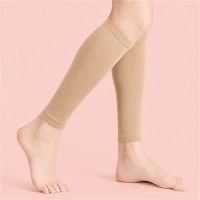
A common misconception is that all bandages are the same. In reality, there's a whole category of tubular bandages and stockinettes that are engineered for medical immobilization-products our team has worked to refine and expand at my company. Let's break down the most relevant ones for anyone considering bandage vs. cast. First, there's the Cotton Stockinette, a thin, soft fabric layer that goes directly against the skin. It's not just padding-it wicks away sweat, prevents irritation, and creates a smooth base for the more supportive layer on top. Next, the Polyester Tube Bandage adds targeted compression and structure. Unlike old-fashioned gauze wraps that slip or bunch, the polyester tubular design stretches to fit the limb, conforms to its shape, and provides consistent support without being too tight. It's breathable, too-something patients love because it eliminates the sweaty, itchy feeling that comes with a traditional cast. For areas that need a little more give or flexibility, the Tubular Net Bandage is perfect. It's stretchy, lightweight, and works well for joints like knees or elbows where movement is part of the healing plan, rather than a risk.
Then there's the Mutton Cloth Stockinette Roll, a thicker, more durable option that's ideal for larger limbs or longer-term use. It offers extra padding for vulnerable areas and holds its shape better than cotton stockinette, making it a great choice for patients who need a bit more support without the rigidity of a cast. And for patients dealing with swelling or conditions like eczema around the injury site, the Wet Wrap Therapy Dressing isn't just a bandage-it's a healing tool. It helps reduce inflammation, soothe irritated skin, and support the limb while allowing gentle movement, which can speed up overall recovery.


I want to be clear, though: There are clear limits to what bandages can do. Let's talk about when a cast is still the better choice, because that's part of our job as suppliers-helping people make informed decisions, not pushing one product over another. For example, if a fracture is unstable-meaning the bone could shift with even small amounts of movement-a bandage can't provide enough rigidity to hold it in place. That's where a cast or, in some cases, surgical hardware comes in. Similarly, injuries that need frequent adjustments (like compound fractures that require wound care or repositioning) are better suited for casts, which can be removed and replaced easily, whereas most bandages require cutting to adjust. Even for minor injuries, if a patient is going to be doing heavy physical work or participating in high-impact activities, a cast offers the protection a bandage can't match.
That said, for the right injuries, bandages can be a game-changer. I remember a patient named Jake, a 22-year-old construction worker who twisted his ankle on a job site last year. His X-ray showed a stable mild sprain, no fracture. His doctor prescribed physical therapy, with a focus on early movement to prevent stiffness. A traditional cast would have kept his ankle completely immobilized for 4 weeks, which would have meant missing work and losing pay. Instead, the doctor used a combination of our cotton stockinette, polyester tube bandage, and tubular net bandage. Jake was able to keep his ankle flexible, go to physical therapy twice a week, and return to light work within a week. He came by our warehouse a month later to thank us-his ankle was almost back to normal, and he'd never had the itchy, smelly experience that comes with a cast.
Another example is elderly patients or people with chronic skin conditions like diabetes. Traditional casts can cause pressure sores, especially on fragile skin, because they're rigid and don't allow for regular skin checks. Bandages, by contrast, can be removed easily for hygiene checks, which reduces the risk of skin breakdown. That's where wet wrap therapy dressing and soft stockinettes come in-they offer support without the harsh, constant pressure of a cast.
Over the past few years, we've seen a huge shift in how clinicians use bandages instead of casts for appropriate cases. Part of that is because of better products, but part is also because of research that shows early, gentle movement speeds up healing and reduces complications. A 2021 study in the Journal of Orthopaedic and Sports Physical Therapy found that patients with stable ankle sprains who used supportive tubular bandages had 30% less stiffness at 6 weeks and returned to daily activities 2 weeks faster than those in traditional casts. That's not to say casts are outdated-for severe fractures, they're still essential-but bandages are filling a gap that didn't exist 10 or 15 years ago.
As a supplier, our job isn't just to sell products-it's to provide education. We work closely with physical therapists, orthopedic doctors, and nursing staff to help them choose the right bandage for each patient's specific injury and needs. We don't push a one-size-fits-all solution. For a teen with a stable wrist fracture who wants to keep playing soccer, we might recommend a rigid fiberglass cast that can be modified for light activity as healing progresses. For a middle-aged teacher with a mild elbow sprain who needs to write and lecture, a combination of polyester tube bandage and tubular net bandage is perfect-it gives support while allowing full movement of the wrist and fingers.
There are also things patients can do at home to make sure their bandage works as well as possible. First, make sure it's applied correctly. A bandage that's too tight can cut off circulation, while one that's too loose won't provide enough support. That's why we always recommend consulting a healthcare provider before using a bandage for an injury-they can show you the right way to apply it, or refer you to a therapist who can help. Second, keep the bandage dry. Most tubular bandages aren't fully waterproof, so showering with it on can lead to moisture buildup, which causes skin irritation. If you do get it wet, remove it gently, pat the skin dry, and reapply a fresh bandage as soon as possible. Third, watch for signs that something's wrong. If you feel numbness, tingling, increased pain, or swelling after applying a bandage, take it off and see a doctor right away-those could be signs of poor circulation.
I've heard a lot of people ask why more clinics don't just use bandages instead of casts for everything. The answer is simple: it's not suitable for all injuries. But for the right patients, bandages offer a level of comfort, flexibility, and healing that casts can't match. As our product line grows-we're always testing new materials and designs to make our bandages more breathable, supportive, and durable-we're seeing more and more cases where a bandage is the better choice than a cast.
If you're a clinician looking for high-quality bandages and cast supplies to meet your patients' needs, or a patient or caregiver with questions about whether a bandage is right for your injury, we'd be happy to help. Our team has decades of experience in orthopedic supplies, and we work directly with healthcare providers to tailor solutions that fit each unique case. We believe that when you have the right tools and the right information, you can make better decisions for healing, and that's what we're here for.
References:
American Academy of Orthopaedic Surgeons. (2022). Clinical Practice Guideline for the Treatment of Acute Ankle Sprains.
Journal of Orthopaedic and Sports Physical Therapy. (2021). Early Functional Immobilization Versus Traditional Casting for Stable Ankle Fractures: A Randomized Controlled Trial.
Mayo Clinic. (2023). Fracture Treatment: Casts, Splints, and Braces.
National Institute of Arthritis and Musculoskeletal and Skin Diseases. (2022). Soft Tissue Injuries: Sprains and Strains.