


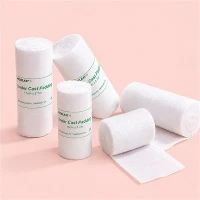

If you've ever watched a show where someone gets a deep cut and someone's shoving a random piece of fabric on it to stop the bleeding, you've basically seen the idea behind a hemostatic bandage. But let's cut to the real stuff-this isn't just a regular band-aid or even a standard gauze pad. As a supplier of these things, I've talked to so many nurses, ER docs, and even hunters (who definitely need this stuff more than most) who swear by them for way more than just scrapes. So what's actually the function of a hemostatic bandage? Let's break it down like we're chatting in a supply closet, no stuffy jargon.

First off, let's get one thing straight: regular bandages work by covering a wound and applying light pressure, right? They slow bleeding a little but mostly keep germs out. A hemostatic bandage? It's built to do way more. The key difference is in the material-these aren't just cotton or plastic. They have special additives, like zeolite or chitosan, that actually trigger your body's natural clotting process instead of just waiting for it to happen on its own. Think of it like giving your body's clotting system a big, friendly nudge instead of just standing by. For minor cuts, this might not seem like a huge deal, but for deep wounds, where blood is gushing or someone's arteries are nicked, every second counts. Studies show that even a 2-minute head start on clotting can be the difference between someone making it to the hospital and needing more intense care, and that's why these bandages are a staple in EMS kits, military gear, and even outdoor first aid bags.
Wait, but hold up-you can't just slap a hemostatic bandage on any wound, right? Like, I've had a few customers ask, "Can I use this for a paper cut?" Sure, technically you could, but it's overkill. These bandages are made for external bleeding that's heavier than a surface scrape. So think: deep lacerations, puncture wounds, trauma from accidents, even some surgical site bleeding during minor procedures. That's where their real function shines. Let's say someone's out hiking and slips on a rock, cutting their leg badly. If you just use a regular gauze, the blood might soak through in seconds, and by the time you get to a hospital, they've lost too much. A hemostatic bandage absorbs that excess blood fast (which is important because too much blood around a clot weakens it) and then kicks the clotting process into overdrive. I've had a park ranger tell me that his crew carries these on all backcountry missions-they've used them twice in the last year alone, and both times the patient only needed a few stitches instead of being flown out. That's the kind of win we care about as a supplier.
Now, let's talk about how they work practically, because function isn't just science-it's usability. Unlike some older hemostatic products, which were bulky or left behind a messy powder that was hard to clean up, modern hemostatic bandages are designed to be just like a regular bandage in how you apply them, but with that extra power. You clean the wound (as best you can), press the bandage firmly on the area, hold it for a minute or two, and then it starts doing its thing. No mixing chemicals, no weird steps-easy for anyone to use, even if you're not a medical pro. That's a big part of their function: making life-saving clotting accessible to people who aren't working in a hospital. Which is why you'll see them in school nurse kits, construction sites, and even gun ranges (accidents happen, let's be real).
Wait, but let's not sleep on the other functions, too. A good hemostatic bandage isn't just for stopping bleeding-it also seals the wound a little to keep bacteria out, just like a regular bandage. And because they're made to absorb so much fluid, they don't get saturated and fall apart like standard gauze does. I remember when I first started selling these, I got a note from an ER nurse saying she used one on a patient who'd been in a car accident, and the regular gauze they first applied was soaked through in 30 seconds, but the hemostatic bandage stayed intact and worked in 90 seconds. That's the kind of feedback that makes this job worth it.


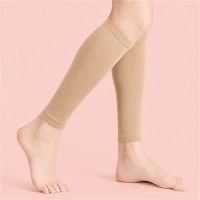
Now, if you're thinking about adding these to your kit, you might also be wondering about pairing them with other products, right? Like, once you've stopped the bleeding, you need something to cover the wound properly. That's where things like the Impervious Stretchable Stockinette or the Disposable Surgical Impervious Stockinette come in. Wait, let's circle back to that-when you use a hemostatic bandage, you want to make sure the surrounding area is protected, too, so germs don't get in and cause an infection. The Impervious Stretchable Stockinette is great for wrapping around limbs, it's stretchy so it moves with the body, and it's impervious to moisture, so it doesn't let any bacteria through. And if you're working in a clinical setting, the Disposable Surgical Impervious Stockinette is perfect for single-use, no cross-contamination, which is a big deal for surgical sites or post-procedure care. I always tell customers: don't just buy the hemostatic bandage-pair it with the right stockinette for your use case, and you've got a full first-aid solution.
But let's get back to the core function, because that's what this is all about. At the end of the day, the primary function of a hemostatic bandage is to rapidly control external bleeding, especially in emergency situations where medical care is delayed. That's not to say they're a replacement for a hospital-they're a first step, a bridge until professional help arrives. But that step can be the difference between a good outcome and a bad one. I've heard so many stories from military medics who used these in combat, from EMS workers who used them on car crash victims, from parents who used them on their kids after a bad fall-all saying the same thing: this stuff works.
Now, I know what some people are thinking: "Why not just use a tourniquet?" Tourniquets are great for severe bleeding on limbs, but for smaller areas, or for torso wounds, a tourniquet isn't an option. That's exactly where a hemostatic bandage comes in. It's flexible, it covers the wound fully, and it doesn't require any special training to apply. You just press it on, hold it, and go. That accessibility is a huge part of its function-turning a life-saving tool into something anyone can use.
As a supplier, I also make sure that the hemostatic bandages I offer meet all the safety standards. No cutting corners here-these are used in emergencies, so they have to be reliable. The materials are tested to make sure they don't cause any allergic reactions, they absorb the right amount of fluid, and they actually trigger clotting without any harmful side effects. I've had customers tell me they've used these on themselves (yes, even suppliers mess up sometimes) and they were surprised at how fast the bleeding stopped, with no irritation or extra issues. That's the kind of product you can trust when every second counts.
Wait, let's clarify a common misconception: hemostatic bandages aren't for internal bleeding. If someone is bleeding inside their body (like from a stomach ulcer or a chest injury), you need professional medical help right away-this stuff can't help with that. They're only for external bleeding, so make sure you're using them on the right type of wound. That's an important part of their function too-knowing when to use them and when to get more help.
Another thing I love about these bandages is that they're versatile. You can use them on cuts, lacerations, abrasions, surgical incisions that are oozing, even some types of blisters that have opened up. I've had a vet use one on a dog's cut paw (don't worry, they're designed for animal use too, as long as it's external) and a tattoo artist use one on a minor incision after a small touch-up. It's not just for emergency situations-it's for everyday stuff too, if you know where to use it.
So, to wrap this up (no pun intended), the function of a hemostatic bandage boils down to three main things: first, accelerate the body's natural clotting process to stop external bleeding faster than regular bandages. Second, absorb excess blood to keep the clot stable and prevent further blood loss. Third, protect the wound from bacteria and other contaminants, just like a standard bandage, but with that extra emergency power. And as a supplier, I'm here to make sure you have access to the right hemostatic bandage for your needs, plus any complementary products like the Impervious Stretchable Stockinette or Disposable Surgical Impervious Stockinette to make your first aid setup complete.
If you're a first aid provider, a clinic manager, a supply coordinator for a workplace or outdoor team, and you're looking to add reliable hemostatic bandages to your inventory, I'd love to chat. We can go over the different types, figure out what works best for your use case, and make sure you have all the products you need-from the hemostatic bandage itself to the stockinettes to keep wounds protected. No pressure, just honest, practical advice. Connect with us today to get started.
References:
- American Red Cross. (2022). Emergency Bleeding Control Guidelines. Retrieved from redcross.org
- Holcomb, J. B., et al. (2019). Hemostatic Agents for External Hemorrhage Control. Journal of Trauma and Acute Care Surgery, 87(3), 689-695.
- U.S. Food and Drug Administration. (2021). Medical Devices for Bleeding Control. Retrieved from fda.gov