



Hey there! If you're like me, scrolling through endless cotton stockinette options for your latest project probably made you roll your eyes at some point. I've been in the cotton stockinette game for years now, so let me break this down like we're chatting over coffee-no jargon, no stuffy rules, just real talk about picking the right stuff. Whether you're making custom bandages, sewing clothes, tackling a craft, or working on a medical product, choosing the wrong stockinette can mess up your whole vibe. Trust me, I've seen it all: projects that unravel mid-use, materials that irritate skin, and rolls that end up being way too thin or bulky for what you need. Today, we're going to figure out exactly how to pick the right cotton stockinette, no stress required.
First off, let's get one thing straight-"cotton stockinette" isn't a one-size-fits-all term. It's a flexible tubular fabric (sometimes called tubular bandage) made specifically to stretch and conform to shapes, which is why it's so popular for everything from medical dressings to sewing patterns. But not all cotton stockinette is created equal. The biggest mistake I see new buyers make is just grabbing the first cheap roll they find without asking, "What is this actually going to do for my project?" Let's start with the project type, because that's the foundation of every good choice.
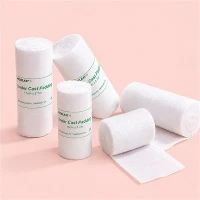
If your project is medical-related-think wrapping limbs, protecting injuries, or making custom supports-this is where cotton stockinette really shines, but you need to narrow it down. For example, if you're working on general wound care or basic limb wrapping, a Mutton Cloth Stockinette Roll is a solid pick. Wait, let's be real-when I first heard "mutton cloth" I thought it was something for cooking, but nah, it's a tight-weave, durable cotton stockinette that's perfect for keeping dressings in place. It's not too stretchy, which is good for consistent coverage, and it's breathable so skin doesn't get soggy under wraps.
But what if your project needs a little more cushion? Maybe you're making a support for a sensitive injury or a pad that needs to hold gel? That's where the Gel Tube Bandage comes in. It's a cotton-blend stockinette that's lined with a thin gel layer, so it's soft on skin, reduces friction, and helps with pain relief. I've seen this used a lot for knee or elbow supports-great if your medical project needs both coverage and comfort.


Another medical use case? If you need something absorbent for heavier drainage or just extra soft for long periods of wear, the Tubular Terry Cloth Bandage is your go-to. Terry cloth stockinette is looped and fluffy, like a mini towel, so it soaks up moisture way better than standard plain cotton. I've had customers use this for post-surgery wraps where drainage is common, and they love that it doesn't stick to healing skin.
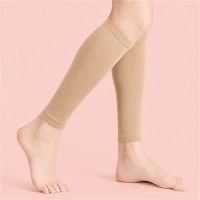
Now, if you're working on maternal products-think belly supports, post-partum compression, or abdominal wraps-you need something that's stretchy, gentle, and holds its shape. The Maternal Tubular Support is designed specifically for that. It's a high-stretch cotton stockinette that's not too tight, so it doesn't dig into sensitive post-partum skin, but it has enough give to support without slipping. I had a customer last year who used this for custom nursing wraps and said it was way more comfortable than regular elastic bandages-game changer for that space.
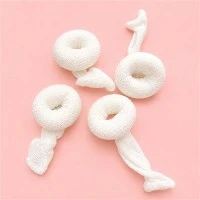
Wait, let's not forget about small, specific parts-fingers, toes, even tiny hands or feet. Regular stockinette rolls are too big for that, so you need something narrow, precision-sized. The Tubular Gauze Finger Toe Bandage is made exactly for that. It's a thin, lightweight cotton gauze stockinette cut to fit finger and toe dimensions, so it stays on without sliding off or being too bulky. I've used this for my own kid's scraped finger-way better than taping gauze to a digit, because it moves with them.
Okay, so that's medical projects covered, but what if you're not in medicine? Cotton stockinette is super popular for sewing, especially for knit fabrics or fitting garments. Wait, why would a sewer use stockinette? Because it's perfect for pattern fitting-you can make a quick mock-up of a shirt or pants on stockinette without wasting expensive fabric. It's stretchy, easy to sew, and you can see how the pattern will lay on your body before cutting into your good material. For sewing projects, you want to pay attention to weight and stretch: light-weight stockinette for small mock-ups, medium for something a little more structured, and heavy-duty for if you're using it for multiple fittings.
Now, let's talk about the cotton itself, because that's the core of any good stockinette. Not all cotton is the same. You've got regular cotton, organic cotton, even cotton blends. Organic cotton stockinette is a big one these days, especially if your project will be in contact with sensitive skin or if you care about sustainability. It's grown without harsh pesticides, so it's softer and less likely to cause irritation. I always recommend organic for baby projects, too-whether you're making a baby wrap or a mock-up for kids' clothes, gentle fabric is non-negotiable.
Stretch is another huge factor. Stockinette's whole thing is that it stretches to fit, but stretch levels vary. Some stockinette has a little spandex added, which makes it super stretchy (great for supports or fitting patterns that need to hug a shape), while 100% cotton stockinette has a more natural, moderate stretch (good for medical wraps where you don't want it too tight). If you're buying for a medical project, always check the stretch percentage-too much stretch and it might slip, too little and it won't conform to curves like knees or elbows.
Size and width are the next big things, and this is where I see so many people go wrong. Stockinette comes in different roll widths, measured in inches or centimeters. For example, the Tubular Gauze Finger Toe Bandage is like 1 inch wide, while the Maternal Tubular Support is 6 or 7 inches wide. How do you pick the right width? For medical wraps, measure the circumference of the body part you're wrapping. If you're wrapping an arm that's 10 inches around, get a stockinette that's 10-12 inches wide when flat-this way, when you stretch it over the arm, it fits snugly without being too tight. For sewing mock-ups, just pick a width that matches the size of your pattern piece. If you're making a sleeve, a 4-inch width is enough; for a full torso mock-up, go for 8 or 10 inches.
Durability is also key, especially if you're using the stockinette for multiple uses. If you're a hospital buying stock for daily use, or a sewer who uses stockinette often, you want something that doesn't pill after a few washes or unravel at the edges. High-quality stockinette has a tight, even weave-run your hand over it: if it's smooth and doesn't have loose threads sticking out, that's a good sign. I've had customers come back and say they bought cheap stock that pilled so bad it was unusable for their project, so investing in a better roll is worth it in the long run.
Wait, let's throw in a quick test you can do at home if you're ordering online. If you can get a swatch (most reputable suppliers will send a free swatch), stretch it a little and see how it snaps back. Does it go back to its original shape? That means it has good memory, which is perfect for staying in place. If it stays stretched out permanently, skip it-won't hold your wrap or mock-up properly.
Now, let's think about extra features that might matter for your project. Breathability is a big one-especially for medical uses where skin can get trapped under wraps. Cotton is naturally breathable, but terry cloth or gel-lined stockinette has different levels of breathability. If you're working on a project that will be worn for hours, make sure it's not going to make the person sweat buckets. Also, if you need something that's easy to cut or doesn't fray, look for stockinette with a finished edge-no more dealing with loose threads after you cut the roll.
Let's recap with an example, because I know real examples help. Suppose you're a physical therapist needing stockinette for making custom elbow supports. The elbow has a curved shape, so you need moderate stretch to conform, but enough structure to hold the support in place. You also need it to be soft for sensitive post-injury skin. So you'd skip the thin finger bandage, grab a medium-weight cotton blend (maybe a little spandex for stretch), measure your patient's elbow circumference, pick a width that fits, and if you want extra cushion, maybe add the Gel Tube Bandage layer. That makes sense, right? No guesswork.
If you're a DIY sewer making a mock-up of a summer dress, you want light-weight, stretchy stockinette that's easy to sew and won't weigh down the pattern. Organic cotton is a plus if you want something soft, and a width that matches the torso of your pattern. Way cheaper than wasting fabric on a bad mock-up.
Now, before I wrap this up (pun totally intended), a quick note on sourcing. Not all suppliers are the same-you want someone who knows their stockinette, can answer questions, and has options tailored to your project. At our shop, we've got all the stuff we talked about today: Mutton Cloth Stockinette Roll, Gel Tube Bandage, Tubular Terry Cloth Bandage, Maternal Tubular Support, Tubular Gauze Finger Toe Bandage, and more. We test every roll to make sure it's high-quality, and we're here to help you figure out exactly what you need-no salesy pressure, just real advice.
If you're ready to stop guessing and get the right cotton stockinette for your project, reach out to us. We can send swatches, answer questions about width, stretch, or whatever else you need, and help you stock up without wasting money on stuff that doesn't work.
Now, let's make sure we didn't miss anything. The key points: match stockinette to your project type (medical vs sewing vs craft), check cotton type and stretch, pick the right width for the body part or pattern, prioritize durability and breathability, and don't be afraid to ask questions. Cotton stockinette is such a versatile material-once you pick the right one, your project will turn out way better, whether it's a comfortable medical support or a perfectly fitting garment.
Don't overcomplicate it. Next time you're shopping, just ask: what is this for, what stretch do I need, and what size fits my shape? That's it.
References
- Textile Institute. (2021). Cotton Tubular Fabrics: Properties and Applications. Manchester: Textile Institute.
- American Academy of Orthopaedic Surgeons. (2022). Guidelines for Wound Care and Dressing Materials. Rosemont, IL: American Academy of Orthopaedic Surgeons.
- Sewing Industry Association. (2023). Mock-Up Fabrics for Garment Design: A Buyer's Guide. New York: Sewing Industry Association.
- Organic Trade Association. (2022). Organic Cotton Standards for Medical and Consumer Products. Washington, D.C.: Organic Trade Association.
- International Society for Prosthetics and Orthotics. (2021). Materials for Soft Support and Compression Devices. Copenhagen: International Society for Prosthetics and Orthotics.