


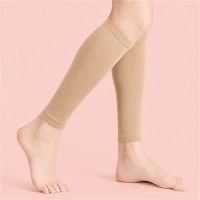
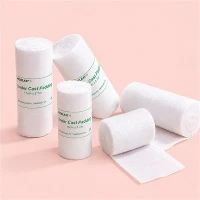

Hey there, if you've ever had to sit through a friend's cast story or watched someone hobble around with one after a sports injury, you've probably wondered: wait, is that a soft cast or a hard one? I've worked in the cast and bandage game for years, and let's be real-most people mix these two up all the time. It's not just a "looks different" thing, either; choosing the right one makes a huge difference in how fast you heal, how comfortable you are, and even how much you can move. Today, I'm breaking down exactly what sets soft casts and hard casts apart, no medical jargon that'll make your head spin.
First, let's start with the basics because trust me, when you're dealing with an injury, you don't want to confuse a splint with a cast. A cast is all about immobilization-keeping a broken bone or sprained joint perfectly still so it can heal. That's where soft vs. hard comes in. They might sound like super simple terms, but each one has totally different uses, materials, and pros and cons. Let's dive in.
Hard casts are the OG, right? You've definitely seen them-they're those stiff, white, rock-solid things that look like they could double as a weapon (please don't test that, though). Most hard casts are made from either plaster of Paris or fiberglass. Plaster has been around forever; it's that thick, chalky stuff that gets wet, wraps around your limb, and hardens as it dries. Fiberglass is the newer, lighter option- it's a synthetic fabric that soaks in resin and sets hard, and it's way less bulky than plaster.
So when do doctors go for a hard cast? Usually for more serious injuries: full fractures, severe sprains, or after surgery where the bone needs super tight, long-term immobilization. The big win with hard casts is how stable they are-they don't bend or move at all, so the injury can't shift while it heals. That's why doctors reach for them when you need that total lock-down. But let's be honest, they're not perfect. For one, they get super hot when they're drying (plaster especially- I've heard so many people say they felt like their limb was in an oven for an hour after it was applied). They're also heavy, they can't get wet at all (no swimming, no showering without a fancy cast cover that most people skip), and they can be itchy as hell. If you've ever had a hard cast, you know the urge to scratch under it is unbearable, and doctors usually tell you not to stick things down there, which sucks.
They're also pretty noticeable-people will ask about your injury every single time you step out, which is annoying when you just want to run errands.
Now, soft casts (sometimes called walking casts or removable casts) are the other side of the coin. These are way more flexible than hard casts, and they're not made from plaster or fiberglass. Most soft casts are a combination of padded liners and elastic or semi-rigid outer layers, designed to give support without being totally stiff. The key here is that they're less immobilizing than hard casts, which makes them perfect for injuries where you don't need that total lock-down- like mild to moderate sprains, stress fractures, or post-injury or post-surgery healing where you can move the joint a little bit.
Wait, let's clarify: soft casts aren't the same as bandages, right? Bandages are more for wrapping and compression, while soft casts are a structured support. A lot of people mix them up, but when we're talking about soft casts, they're a step up from a regular bandage. The liners we use in soft casts are often soft, breathable materials to cut down on sweat and irritation. And here's a big plus: many soft casts are removable, which means you can take them off to shower, do light exercises, or even just let your skin breathe. That's a game-changer for comfort.
But soft casts have their limits too. Because they're more flexible, they don't give the same level of immobilization as hard casts. So you can't use them for really bad fractures that need to stay perfectly still-they just don't hold the bone in place tight enough. They're also not as good for long-term use, usually only worn for a few weeks instead of months like some hard casts.
Let's get into the nitty-gritty differences, because that's what everyone's here for. Let's break it down by categories so it's easy to follow:
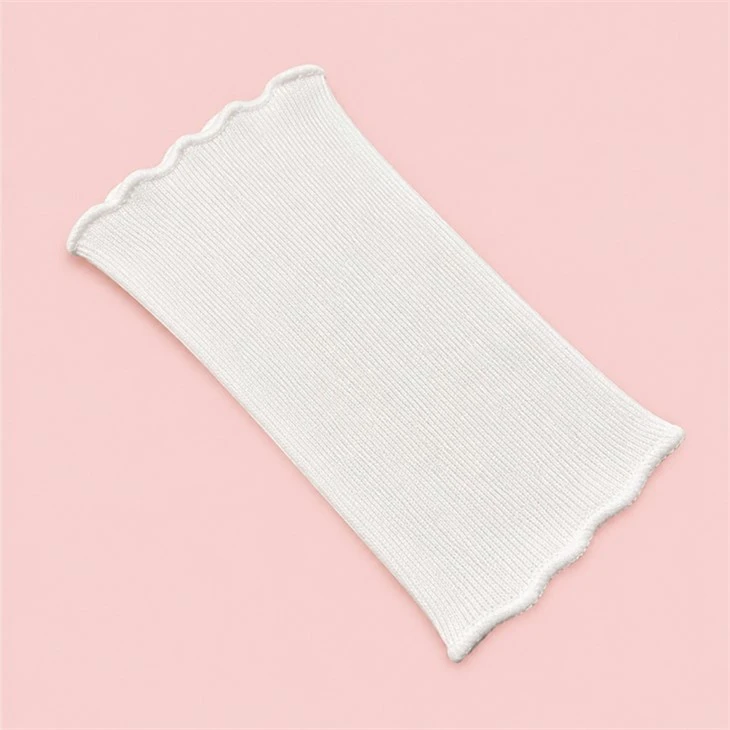

First, material. Hard casts are plaster (calcium sulfate mixed with water, turns hard as a rock) or fiberglass (fine glass fibers coated in resin, lightweight, sets fast). Soft casts are mostly padded, flexible stuff-things like cotton, elastic, or even thermoplastic materials that are semi-rigid, not solid. For context, the bandages we use to build these casts are high-quality, like our Maternal Tubular Support for gentle, even compression that's perfect for soft cast liners, or Tubular Terry Cloth Bandage for extra soft padding to keep skin from chafing. We've also got Viscose Elasticated Tubular Bandage that stretches just right for a snug fit without being tight, or Latex Tubular Bandage for people with latex allergies? Wait no, wait-wait, our Latex Tubular Bandage is actually for those who need latex, but we also have latex-free options, but yeah, materials are key here.
Next, immobilization level. This is the biggest one. Hard casts = total immobilization. They don't bend, so your injury can't move at all, which is why they're for severe breaks. Soft casts = partial immobilization. They let you move the joint a little (like bending your ankle slightly, for example), which is good for healing but not for super serious fractures.
Comfort is another big one. Let's be real, no one wants to be uncomfortable for weeks. Hard casts: heavy, hot when drying, itchy, can't get wet, bulky. Soft casts: lighter, more flexible, many are waterproof (some even-wait, no, not all, but some are water-resistant), you can take them off to clean, so less sweat and irritation. Though some people do find soft casts can rub if they're not fitted right, but that's a fitting thing, not the material itself.
Uses, obviously. Hard casts: compound fractures, displaced fractures, severe sprains, post-surgical stabilization where total stillness is needed. Soft casts: stress fractures, mild sprains, post-surgery where some movement is good, injuries that need less stability and more flexibility.
Healing time. Wait, does that differ? Not really-both help the bone or injury heal, but it depends on the severity. But hard casts are usually worn for shorter or longer? No, actually, it's similar, but soft casts might let you start moving earlier, which can help with blood flow, so maybe slightly faster recovery for mild injuries. That's a pro for soft casts.
Cost, too. I should mention that, since a lot of people care about that. Hard casts (plaster) are usually cheaper upfront, but they might need more adjustments if they get damaged. Fiberglass is a bit more expensive, but lighter. Soft casts are often in between-they're not as pricey as fiberglass hard casts, but more than basic plaster, and some are reusable if you take them off, which can save money long-term.
Wait, let's talk about common myths, because there's a lot of bad info out there. First myth: soft casts are just "less good" than hard casts. No way-they're designed for different jobs. If you have a mild sprain, a hard cast is overkill and will make your recovery worse because you won't move the joint, leading to stiffness. Soft casts let you move a little, which is actually better for healing. Second myth: hard casts can't get wet at all. Well, technically you can wear a waterproof cast cover, but most people don't, so they end up with a stinky, moldy cast if they shower with it. Soft casts, if they're made with waterproof materials like our Cotton Blood Pressure Barrier Cuff (that's a cotton bandage with a waterproof layer, perfect for keeping liners dry), you can actually shower without taking them off, which is a huge plus.
Another thing: removal. Hard casts have to be cut off with a special saw, which sounds scary, but most people say it's not that bad-just a vibration. Soft casts can usually be taken off by the doctor or even you, if they're designed to be removable. That means no scary saw at the end, which is great for kids or people who hate medical procedures.
Let me give a quick example to make this concrete. Say you're a runner, and you step wrong during a race, sprain your ankle pretty bad. The doctor looks at it, does an X-ray, and it's a moderate sprain, no fracture. What do they recommend? Probably a soft cast, because you need some support but you don't need total immobilization. A hard cast would keep your ankle totally still, which would make your muscles weak and take longer to get back to running. Now, if you break your tibia (the big bone in your lower leg) in that same accident? Then you need a hard cast, because that bone has to stay perfectly aligned to heal right-you can't have any movement there.
Now, as someone who works in the cast and bandage supply business, I've seen firsthand how important it is to have the right products for both soft and hard casts. For hard casts, we stock top-tier fiberglass and plaster, but for soft casts, the liners and wrap are everything. Like, if you're building a soft cast, you need a bandage that's stretchy but not too tight, soft enough to not irritate skin, and breathable. That's why we carry options like our Viscose Elasticated Tubular Bandage, which has just the right amount of stretch for a snug, comfortable fit without restricting movement. For people who need extra padding, our Tubular Terry Cloth Bandage is thick enough to cushion the limb while still being flexible. And if you need a liner that keeps moisture out, our Cotton Blood Pressure Barrier Cuff works perfectly as a barrier between your skin and the cast liner. We even have Latex Tubular Bandage for those who prefer latex materials, though we've got plenty of latex-free alternatives too-all our products are tested to be safe and reliable, so whether you're a doctor building a cast or a patient learning about your options, you can trust the gear.
Wait, let's wrap this up so it's not just a list. The key takeaway is this: there's no "better" between soft and hard casts-it's all about the injury. Severe breaks, things that need total stillness, go with hard casts. Mild to moderate injuries, where a little movement helps, go with soft casts. Knowing the difference saves you from picking the wrong one, which can make recovery longer, more uncomfortable, or even lead to complications.
If you're a doctor, physical therapist, or even just someone who needs to order cast supplies, we've got everything you need-from basic bandages like the ones I mentioned earlier to high-quality hard cast materials. We work with clinics, hospitals, and even individual practitioners to get them the gear they need at fair prices. If you're a patient wondering which one is right for you, always ask your doctor-they know your injury best, and they'll recommend what's safest.
At the end of the day, both soft and hard casts are designed for the same thing: to help you heal. The main difference is how much support and immobilization they give, and that's what you need to figure out based on your specific injury. No more mixing them up, no more wondering why your friend's cast is way different from yours. If you're looking for reliable cast and bandage supplies, we're here to help-reach out to us to chat about your needs, whether you're stocking a clinic or ordering for personal use.
For more info on our range of tubular bandages and cast liners, check out the product pages linked throughout this post: Maternal Tubular Support, Tubular Terry Cloth Bandage, Viscose Elasticated Tubular Bandage, Cotton Blood Pressure Barrier Cuff, and Latex Tubular Bandage. We're always happy to help you find the right product for your needs.
References:
- American Academy of Orthopaedic Surgeons. (2022). Casts and Splints: What You Need to Know. OrthoInfo.
- Mayo Clinic. (2023). Fracture Treatment: Casts, Splints, and Braces. Mayo Foundation for Medical Education and Research.
- National Institute of Arthritis and Musculoskeletal and Skin Diseases. (2021). Hand and Wrist Fractures: Rehabilitation and Recovery. U.S. Department of Health and Human Services.
- Tubular Bandage Association. (2022). Best Practices for Cast Liners and Support Bandages in Orthopedic Care. TBA Publications.