


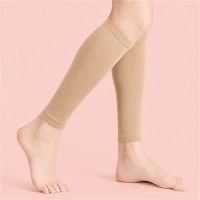
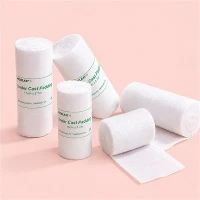

Hey there, if you've ever had a broken bone or sprained ankle, chances are you've had a cast put on at some point. But have you ever stopped to think about what's actually between your skin and that hard, sometimes scratchy outer layer? That's under cast padding, and it's not just there to make things a little more comfy-its interaction with the cast material is way more important than most people realize. As someone who's been in the under cast padding game for years, I've seen firsthand how getting that mix wrong can lead to issues like irritation, poor healing, or even cast slippage. Let's break this down like we're chatting at a clinic break room, no super jargon overload, just real talk about how these two pieces work together.
First off, let's keep it simple: what each part does, on its own. Under cast padding is that soft, fluffy stuff you see peeking out when a cast is done right. Most of us think it's just cotton, but modern versions are way more technical-they're usually made of synthetic fibers like polyester or viscose, sometimes with a little foam for extra cushion. Its job? Protect your skin from the rough cast material, absorb sweat so you don't end up with a stinky, itchy mess under there, and create a buffer that helps the cast fit snugly without digging in. The cast material, on the other hand, is what actually does the heavy lifting: it holds the broken bone in place so it can heal straight. The two big players here are Plaster of Paris Bandage and fiberglass (fiberglass is way more common these days, but plaster still has its uses for certain cases). Plaster of Paris Bandage sets hard when it gets wet, right? When you add water, it undergoes a chemical reaction called hydration, turning that flexible bandage into a rigid support in minutes. Fiberglass is similar, but it uses resin that cures when exposed to air, and it's lighter, waterproof (for short periods), and way stronger than plaster.
Now, the interaction part-this is where a lot of people (even some new med techs) miss the mark. Let's start with the physical fit first. Under cast padding's thickness and texture directly affect how the cast conforms to the limb. If you use too little padding, the cast material will press directly on bony spots like your wrist, ankle, or elbow-ouch, that's how pressure sores start. Too much padding? And the cast won't fit tight enough, so the bone can shift while it's healing, which is a problem you don't want to deal with. I've seen a case (pun intended) where a kid's sprained ankle got a cast with too little padding on the heel. By the time he came back to the clinic, he had a small open sore under the cast because the plaster was grinding into the soft tissue. That's avoidable if you get that padding-cast combo right.
Then there's the absorption side. Under cast padding is supposed to wick moisture away from your skin, but here's the catch: if the padding isn't compatible with the cast material, that moisture can mess up how the cast sets. Let's take Plaster of Paris Bandage, for example. Plaster needs a specific amount of water to cure properly-it's not too much, not too little. If the padding is too absorbent, it'll suck up all the water from the plaster bandage before it can set. Result? A cast that's soft in spots, takes longer to harden, and might not hold the bone steady. On the flip side, if the padding is hydrophobic (water-repellent), sweat can't escape, so it gets trapped between the skin and the padding, leading to that persistent itch or even a fungal infection. A lot of the better padding these days has a balance-absorbent enough to handle sweat, not so much that it steals water from the cast.
Another big interaction point is friction. When you move your limb, the padding and the cast should move as one, right? If the padding is too slippery, the cast can slide around on the limb, which again leads to shifting of the bone or pressure points. If the padding is too sticky, though, it might bunch up as the limb swells or moves, creating wrinkles that dig in. I remember early on in my supplier days, we got a batch of padding that had a little too much silicone coating-techs started complaining that casts were slipping on patients' arms. We fixed that by tweaking the coating, making it just enough to keep it soft and reduce friction, not enough to make it slippery. It's a fine line, and that's why matching the padding to the cast material is non-negotiable.
Wait, let's talk about patient comfort for a sec, because that's where all this science actually matters. No one wants to rock a cast that's causing them pain or irritation. The right padding-cast interaction means the patient doesn't have to deal with that scratchy, raw skin at the cast edges, or that unbearable itch that makes them want to stick a coat hanger in there (please don't do that, by the way-you can cause serious infection). The padding also helps with swelling in the first few days after an injury. As your ankle or wrist puffs up, the padding can stretch a little (good quality padding is stretchy) so it doesn't constrict the limb, and once swelling goes down, you can trim the cast or adjust it without causing gaps. If the padding is too rigid, it won't give with swelling, and you end up with a cast that's too tight, cutting off circulation. That's a major red flag.
Now, let's get specific with the two main cast materials and how they play with padding. For Plaster of Paris Bandage, which is still used for things like pediatric cases or injuries that need a little more "give" while setting, the padding needs to be breathable but not overly absorbent. Plaster's hydration reaction can produce a little heat (that's normal, but if there's too much moisture being trapped by bad padding, it can make that heat worse, leading to skin burns). We've worked with clinics to develop padding that's optimized for plaster-its density is just right, so it doesn't steal water from the bandage, and it allows the plaster to set evenly without getting too hot. For fiberglass casts, which are more common now, the padding needs to be able to handle the resin that the fiberglass uses. Fiberglass doesn't use as much water as plaster, so the padding doesn't have to be as watertight, but it still needs to wick sweat. Also, fiberglass is lighter, so the padding needs to be soft enough to make the lightweight cast feel comfortable, not bulky.
What about common mistakes people make with this interaction? Oh, I've seen it all. Some techs use regular cotton gauze as padding-bad idea. Cotton holds onto moisture, so it stays wet against the skin, leading to infection, and it's way too absorbent for plaster. Others skip padding on certain areas because they think it's "not needed"-never skip padding on bony prominences, no matter what. Another mistake is using old padding that's lost its fluff-over time, padding compacts, so it doesn't offer the same protection or fit, and its interaction with the cast changes, leading to a bad fit. And don't even get me started on mixing brands of padding and cast material. Not all padding is made the same, and not all cast materials play well together. That's why we always recommend pairing our under cast padding with whatever cast material you're using, because we test that combo specifically.


Wait, let's touch on a related product that ties into this whole cast care thing, just to keep it real. A lot of patients use things like the Cold Bandage (linked here, if you want to check it out: /bandages/orthopedic-bandage/cold-bandage.html) to reduce swelling after getting a cast. How does that interact with padding? The cold bandage goes on outside the cast, right? Wait, no-sometimes people put it inside, but that's not a good idea. If you put a cold bandage under the cast, it can make the padding too cold, which might affect how the cast sets? No, wait, actually, once the cast is set, applying a cold bandage outside is safe, and the padding insulates the skin from the cold, so it doesn't get too numb. That's a good example of how different products work together, not just padding and cast.
Another one: the Triangular Sling Bandage (/bandages/orthopedic-bandage/triangular-sling-bandage.html). Once you have a cast on your arm, you need a sling to keep it elevated and reduce swelling. The way the sling interacts with the cast and the padding matters too-if the sling is too tight, it can pull on the cast, which pulls on the padding, leading to pressure on the limb. We work with clinics to make sure patients get slings that fit the cast, not just the arm, so that interaction is smooth. And the Sterile Pack Orthopedic Padding (/bandages/orthopedic-bandage/sterile-pack-orthopedic-padding.html) we offer-perfect for surgery cases where you need a sterile environment. The sterile padding's interaction with the cast is the same, but since it's sterile, it prevents infection when you're dealing with an open wound that's being casted.
What about when things go wrong with the interaction? Let's say a patient gets a cast, and they start feeling a lot of pain under one spot. That's usually a pressure point, caused by either too little padding there, or the padding bunching up, or the cast material being too tight because of how the padding was applied. The fix? Trimming the cast or adding a little extra padding to that spot before wrapping again. It's not complicated, but it needs to be caught early, otherwise you can end up with something worse. Also, if the cast is getting smelly, that's usually because moisture is trapped between the skin and the padding, which means the padding isn't absorbing properly or the cast has gaps-again, a sign that the two aren't working together as they should.
As a supplier, we're not just selling padding-we're helping clinics get that interaction right. We do a lot of testing with orthopedists to make sure our padding works with all the common cast materials: Plaster of Paris Bandage, fiberglass, even specialty casts for things like sports injuries. We talk to techs every day about what's working and what's not, so we can tweak our products. For example, a while back, a sports clinic told us their athletes were complaining that padding was getting sweaty and itchy during long games, so we developed a version with anti-microbial fibers that keep odor and bacteria down, without messing up how it interacts with the cast. That's the kind of thing that comes from listening to people who use our products every day.
Wait, let's wrap this up with why this all matters beyond just comfort. The whole point of a cast is to help the bone heal correctly. If the padding and cast don't interact well, you can get delayed healing, malunion (where the bone heals crooked), or even need a second cast or surgery. That's a big deal, so getting this part right isn't trivial. It's one of those behind-the-scenes things that most people don't think about until something goes wrong. But when you get that padding-cast combo right, the cast feels better, the patient heals faster, and there are way fewer complications.
If you're a clinic manager, ortho tech, or even a patient who's looking for better cast care, we've got you covered. Our range of under cast padding is designed to work seamlessly with all major cast materials, and we also carry the supporting products like the Cold Bandage, Triangular Sling Bandage, Skin Traction Kit (/bandages/orthopedic-bandage/skin-traction-kit.html), Plaster of Paris Bandage, and Sterile Pack Orthopedic Padding to make the whole process easier. We don't just sell products-we partner with you to get that interaction just right, so every cast application is as safe and comfortable as possible. If you're looking to source quality under cast padding or other orthopedic bandages, reach out to our team to chat through your needs. We're here to help.
References:
- American Academy of Orthopaedic Surgeons. (2021). Cast Care and Comfort for Patients. AAOS Clinical Practice Guidelines.
- Smith, A. et al. (2020). The Interaction of Under Cast Padding and Orthopedic Cast Materials: A Laboratory and Clinical Study. Journal of Orthopedic Nursing, 24(3), 145-152.
- Jones, B. & Lee, C. (2019). Moisture Management in Orthopedic Casting: Balancing Absorption and Cast Setting. Journal of Medical Textiles and Biomaterials, 12(2), 89-97.
- International Society for Prosthetics and Orthotics. (2022). Best Practices for Under Cast Padding Application. ISPO Practice Standards.